Jamaat-e-Islami Chief Questions US-India Diplomatic Meeting in Dhaka while Raising Concerns Over Electoral Integrity
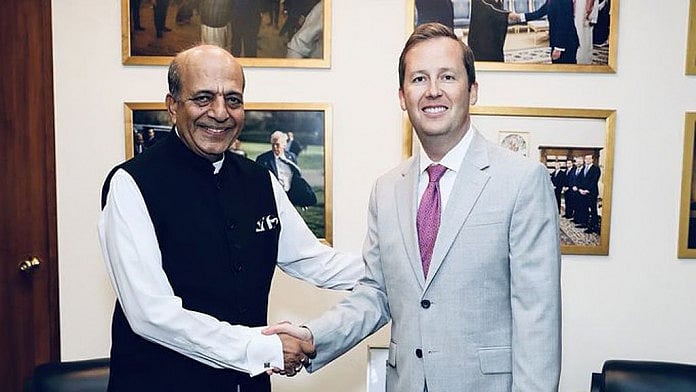
Photo Collected
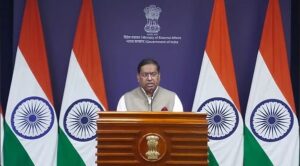
United States Assistant Secretary of State for South and Central Asian Affairs Donald Lu, who also serves as the U.S. Ambassador to India, is currently on a three-day visit to Dhaka, drawing sharp scrutiny from political leadership regarding his diplomatic engagements. During his visit, Lu held a meeting with Indian High Commissioner to Bangladesh Pranay Verma at a Dhaka hotel, an interaction that prompted criticism from Jamaat-e-Islami Ameer Shafiqur Rahman.
Speaking to reporters on Saturday after attending the 34th-anniversary celebration of the local newspaper *Jalalabad* in Sylhet, Rahman questioned the nature of the meeting. He stated that while diplomatic courtesy meetings are standard, discussions involving issues related to Bangladesh should be conducted directly with the government or representative opposition parties. He emphasized that the Bangladeshi public does not view the meeting between the U.S. envoy and the Indian representative regarding regional matters favorably.
During the event, the Jamaat-e-Islami leader also expressed deep concern over the current administration’s recent appointment of a retired deputy secretary to the Election Commission. Rahman described the appointee as a partisan figure, warning that such moves cast doubt on the government’s commitment to fair democratic processes. He asserted that if the government attempts to replicate the election manipulation tactics seen in previous years, the nation would not accept it, and warned of significant public unrest.
Addressing broader national challenges, Rahman called upon the administration to take immediate action against systemic corruption and extortion. He noted that the Speaker of the National Parliament has already warned of dire consequences if extortion remains unchecked, urging the leadership to restore public trust. According to Rahman, a primary crisis facing the nation is a widespread lack of confidence in governance, which he argues has weakened the country’s global standing and the relative value of its passport.
Furthermore, Rahman criticized recent shifts in political discourse regarding a potential referendum. He alleged that certain political forces, having secured a parliamentary majority, have retreated from their previous support for a referendum, fearing that such public consultation would limit their ability to consolidate power. He warned that ignoring the mandate and will of the people historically leads to dangerous political repercussions, and cautioned against allowing the country to descend back into a cycle of instability and darkness.
0%
0%
0%
0%