
Bangladesh Chief Prosecutor Rejects Human Rights Watch Criticism of War Crimes Tribunal
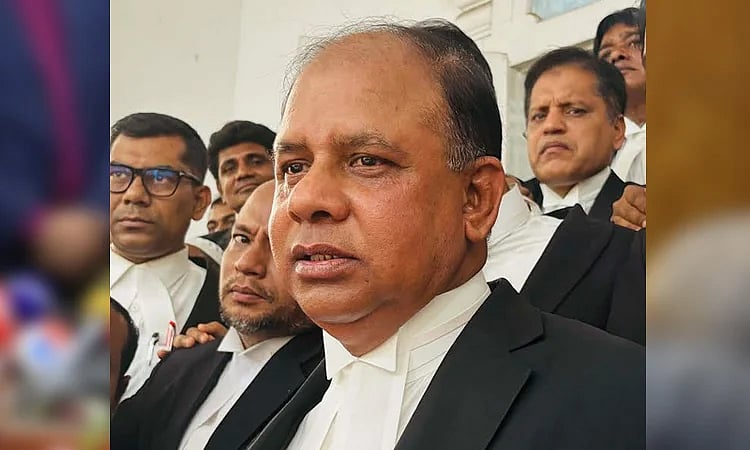
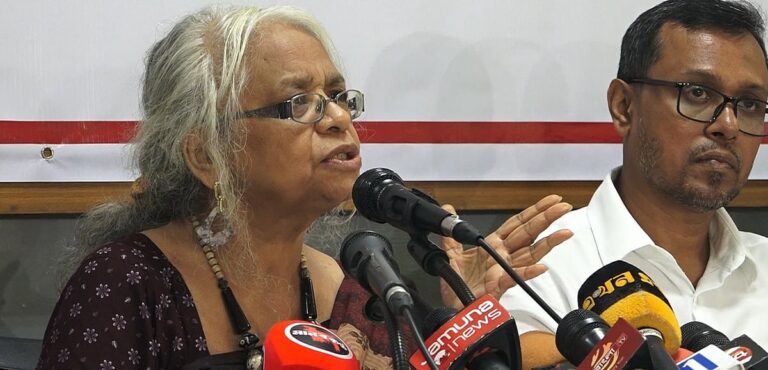
Photo Collected
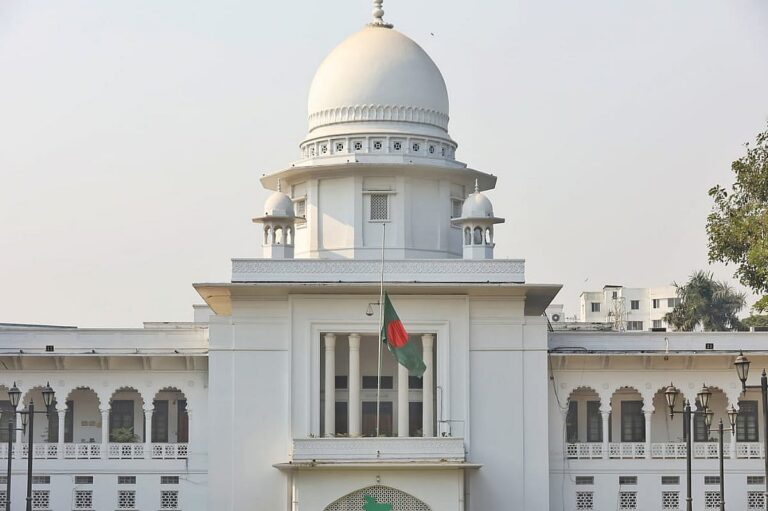
Chief Prosecutor of the International Crimes Tribunal (ICT) Md. Aminul Islam has dismissed a recent report by Human Rights Watch (HRW) as biased, accusing the New York-based organization of failing to properly verify information before publication. Addressing reporters at his office on Wednesday, Islam rejected the watchdog’s claims that the tribunal is falling short of international legal standards.
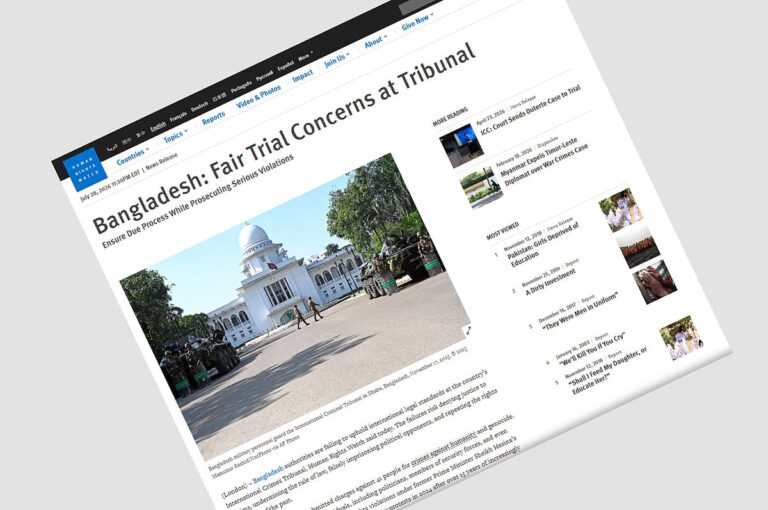
In its latest report, HRW argued that deficiencies in the tribunal’s proceedings could undermine the rule of law, deprive victims of justice, and lead to the unjust detention of political rivals. The organization warned that current practices risk repeating past human rights abuses.
বিজ্ঞাপন
Responding to these criticisms, Islam defended the integrity of the tribunal’s legal team and investigative staff. He asserted that there is no basis for questioning the qualifications of the 20 prosecutors and 24 investigative officers currently assigned to the tribunal. He emphasized that the investigative body comprises senior law enforcement officials, including those at the rank of Additional Inspector General and Superintendent of Police. Furthermore, he noted that the prosecution team consists of seasoned attorneys, many of whom possess over two decades of legal experience.
Regarding the HRW’s concerns over trial standards, Islam clarified that the International Crimes Tribunal operates under the International Crimes (Tribunals) Act of 1973, a domestic law that mandates trials be conducted by local judges and lawyers. He questioned the feasibility of the expectations set by international watchdogs, pointedly asking if the tribunal was expected to rely on foreign judges and counsel to satisfy external critiques.
বিজ্ঞাপন
The Chief Prosecutor also addressed concerns regarding witness testimony. While HRW flagged the consistency of witness statements as a potential irregularity, Islam maintained that such uniformity is expected given that many witnesses are recounting the same violent events. He stated that the organization’s tendency to advocate on behalf of specific defendants compromises the neutrality of their reports, rendering their conclusions unacceptable.
Islam concluded by reiterating that the tribunal remains committed to its mandate and that accusations of bias stem from a lack of diligent inquiry by organizations that he believes are being misled by the subjects of the investigations.
0%
0%
0%
0%