

Bangladesh High Court Orders Investigation into Attacks on Bauls and Sufi Shrines
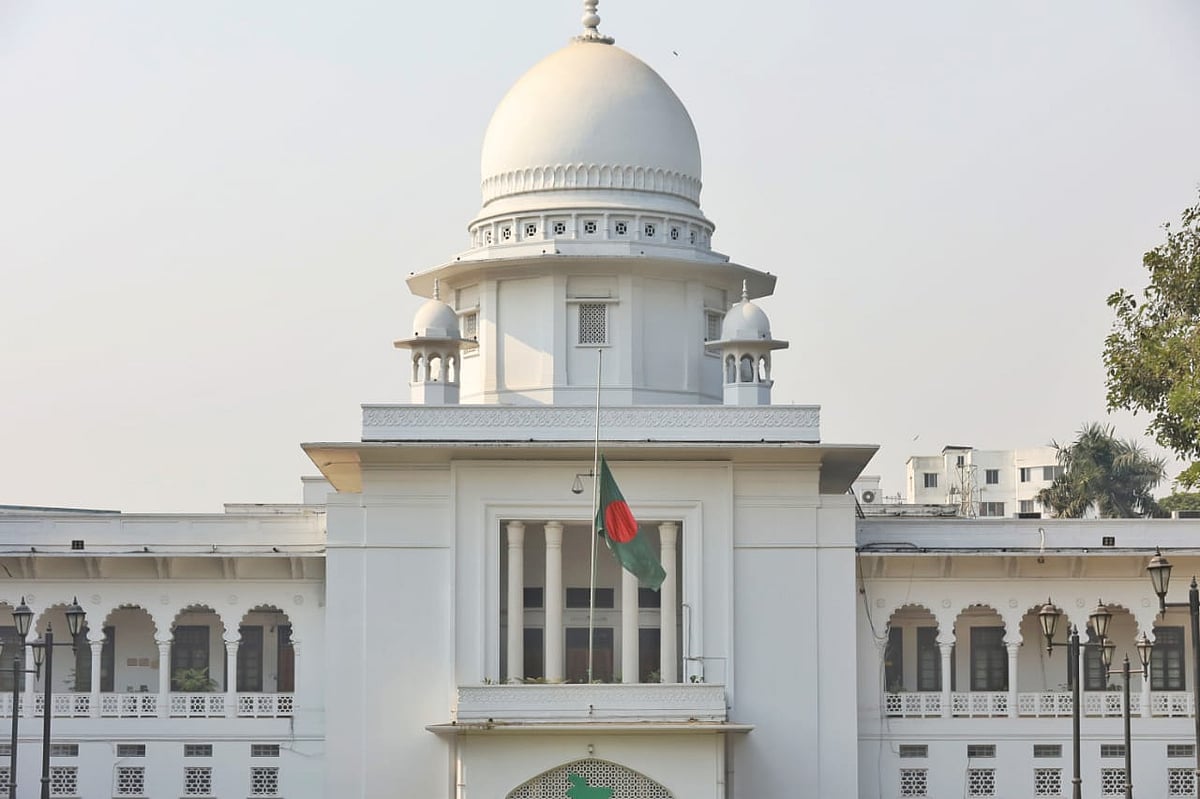
Photo Collected
The Bangladesh High Court has ordered a formal investigation into the recurring attacks on Bauls, fakirs, ascetics, and spiritual shrines, directing authorities to identify and prosecute those responsible. The bench, comprised of Justice Razik-Al-Jalil and Justice Debasish Roy Chowdhury, issued the directive on June 21 following a preliminary hearing on a writ petition. The court has mandated that the Inspector General of Police, the Dhaka Metropolitan Police Commissioner, and the Additional Inspector General of the Criminal Investigation Department (CID) submit a comprehensive report on these incidents within 60 days of receiving the order.
The legal action was initiated by 29 petitioners, including human rights activist Shireen Huq, academic Anu Muhammad, and various representatives from the Baul and Sufi communities. The petitioners sought judicial intervention, citing a pattern of cruel, inhumane, and derogatory behavior inflicted upon these groups by individuals claiming to uphold social discipline or seeking religious reform. According to the writ, these vulnerable communities have faced persistent harassment and physical violence across the country.
বিজ্ঞাপন
During the proceedings, counsel for the petitioners, Advocate Jyotirmoy Barua, emphasized that the ongoing aggression against Bauls and ascetics necessitates urgent state protection. Alongside the investigation order, the High Court issued a rule asking the government to explain why the authorities’ failure to provide constitutional protection to these groups should not be declared illegal. The court further questioned why the state should not be directed to take proactive measures to prevent future harassment and ensure the perpetrators are brought to justice.
The respondents, including the secretaries of the Ministry of Home Affairs, Ministry of Religious Affairs, and Ministry of Cultural Affairs, along with senior police officials, have been given four weeks to respond to the rule. The petitioners received the certified copy of the court’s order on July 1, marking a significant legal step toward safeguarding the rights and safety of Bangladesh’s traditional spiritual communities.
বিজ্ঞাপন
0%
0%
0%
0%