Sheikh Hasina Extradition Remains Key Hurdle for Prime Minister Tareque Rahman Potential India Visit
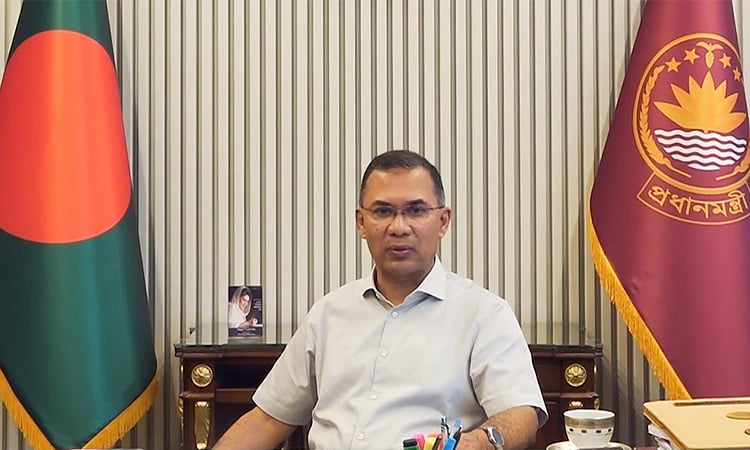
Photo Collected
India has extended an invitation to Bangladeshi Prime Minister Tareque Rahman for a proposed two-day visit to New Delhi later this month, as both nations seek to navigate a complex path toward normalizing diplomatic relations. While preliminary discussions have been ongoing between Dhaka and Delhi regarding a visit in the third week of August, the process remains stalled by significant friction over the extradition of ousted former Prime Minister Sheikh Hasina.
Diplomatic sources confirm that Dhaka is pushing for a “conducive environment” to advance bilateral ties, placing the extradition of Hasina—who remains in India and faces a death sentence from the International Crimes Tribunal—at the forefront of its concerns. Bangladesh has expressed strong dissatisfaction over the political activities and public statements made by Hasina from Indian soil, particularly a recent media interaction that Dhaka views as a breach of sovereignty and an affront to the victims of the July uprising.
The issue of the former Prime Minister’s status has become the primary condition complicating the visit. Media reports, including those from The Tribune, suggest that Dhaka has signaled to New Delhi that progress on the extradition front is critical to the success of Prime Minister Rahman’s visit. Despite these tensions, both capitals are keen to engage; Indian High Commissioner to Bangladesh, Pranay Verma, recently concluded a high-level consultation in New Delhi with Prime Minister Narendra Modi and other senior policymakers before returning to Dhaka.
The potential meeting between Prime Minister Rahman and Prime Minister Modi is expected to cover a broad spectrum of strategic and economic issues, including trade, transit, energy cooperation, border management, and regional security. The renewal of the 1996 Ganges Water Sharing Treaty, set to expire this December, is also slated as a high-priority agenda item.
India, while maintaining a cautious stance, continues to emphasize the strategic importance of a stable, friendly relationship with Bangladesh for its own regional security and connectivity objectives. During a recent briefing, Indian Ministry of External Affairs spokesperson Randhir Jaiswal acknowledged the standing invitation to Prime Minister Rahman but offered no specific timeline, noting that any progress on the visit would be communicated in due course.
Meanwhile, economic engagement appears to be moving forward independently. A high-level delegation from the Confederation of Indian Industry (CII) is scheduled to arrive in Dhaka on Monday for a three-day visit. This marks the first such Indian business delegation to visit Bangladesh since the current administration took office, signaling a desire to bolster trade and investment ties despite the overarching political impasse.
Analysts observe that the coming days are pivotal. High-level diplomatic consultations, including expected meetings between High Commissioner Verma and Bangladesh’s Foreign Minister Md. Touhid Hossain, are likely to determine the trajectory of the proposed visit. Whether the two nations can bridge the divide over the former Prime Minister’s presence in India will serve as the first major test for the new political architecture of Bangladesh-India relations.
0%
0%
0%
0%