



Shah Cement hosts international architecture seminar to bridge global modernity with local identity
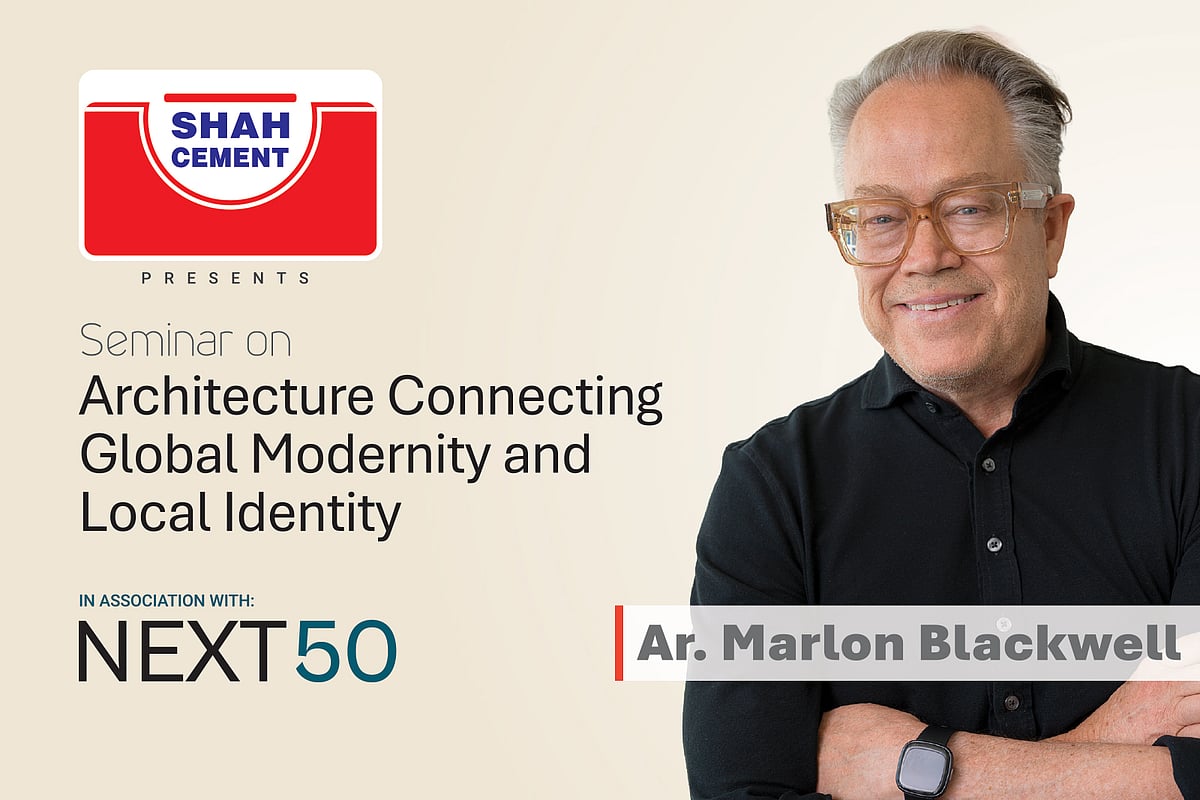
Photo Collected
Leading cement manufacturer Shah Cement hosted a specialized seminar in Dhaka on Monday, focusing on the intersection of global architectural trends and indigenous cultural identity. Held at the Radisson Blu Dhaka Water Garden in collaboration with Next50, the event, titled “Architecture: Connecting Global Modernity with Local Identity,” brought together a diverse group of prominent architects, engineers, academics, and construction industry professionals to foster a dialogue on contemporary design practices.
The keynote address was delivered by Marlon Blackwell, a world-renowned architect and recipient of the 2020 AIA Gold Medal. During his presentation, Blackwell explored how contemporary architecture can synthesize global standards with local history, climate, and cultural nuances. His insights emphasized the importance of grounding innovative design in the lived experience of communities, offering participants a framework for future architectural practice that remains responsive to its specific environment.
বিজ্ঞাপন
Following the keynote, a panel discussion featured representatives from the Institute of Architects Bangladesh (IAB) alongside distinguished academics and industry leaders. The conversation centered on the challenges of balancing rapid urbanization with the preservation of cultural heritage, as well as the practicalities of sustainable development within the Bangladeshi context.
Officials from Shah Cement noted that the initiative reflects the company’s broader mission to move beyond the production of construction materials toward fostering an intellectual exchange within the industry. By creating a bridge between international architectural theory and local craftsmanship, the company aims to elevate the standard of the nation’s built environment.
বিজ্ঞাপন
The seminar concluded with a consensus among participants that such knowledge-sharing platforms are essential for the professional evolution of the sector. Attendees highlighted the need for continued engagement between global experts and local practitioners to ensure that the future of Bangladesh’s architecture is both globally competitive and deeply rooted in its unique societal identity.
0%
0%
0%
0%


