


Residential school sparks education revolution for Mro community in Bangladesh hills
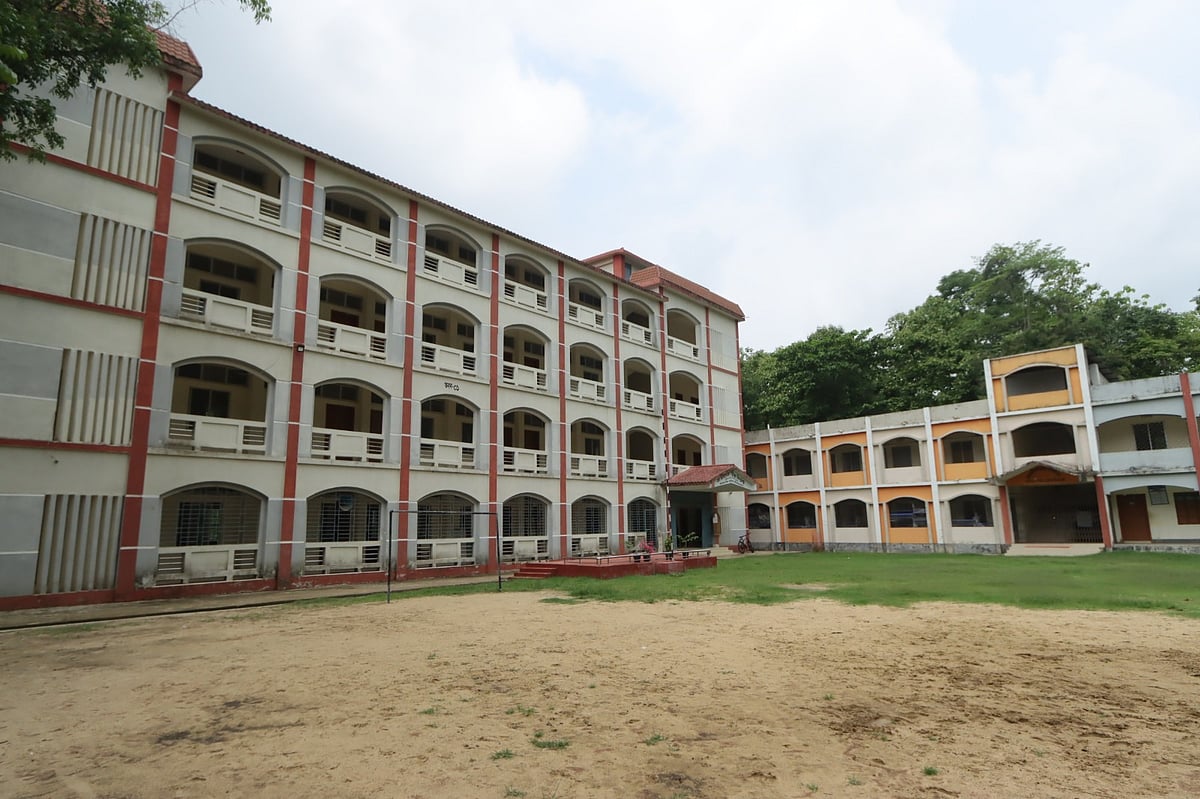
Photo Collected
For decades, children of the Mro ethnic community in the rugged hills of Bandarban were more likely to be found carrying farming tools for *jum* cultivation than books. Literacy within the community was virtually non-existent, and parents remained deeply skeptical of formal schooling, fearing that modern education would strip their children of their cultural identity and distance them from their roots. Today, however, the Sualok Mro Residential School stands as a transformative beacon of change, credited with sparking an educational renaissance that has propelled Mro literacy rates to between 15 and 20 percent.
Established on January 1, 1980, the school was founded following a directive from the late President Ziaur Rahman. According to local Member of Parliament Sachingprue Jerry, the initiative began after his father, the late state minister Ongshaiprue Chowdhury, alerted the then-president to the severe educational deprivation facing the Mro people during a 1979 visit to Bandarban. Stunned by the zero-percent literacy rate among the region’s second-largest hill community, the president ordered the immediate establishment of a residential complex.
বিজ্ঞাপন
The early years were defined by immense struggle. Khamlai Mro, a member of the school’s inaugural class and a former chairman of the Thanchi Upazila Council, recalled that authorities initially struggled to enroll even 50 students. Many parents resisted, fearing their children would abandon their native language and customs. Of the first 45 students who eventually enrolled, nearly half did not return after the first break, struggling to adapt to the residential environment, unfamiliar diets, and the challenge of learning in Bengali.
Despite these hurdles, the institution gradually earned the trust of the community. Over the past four decades, the school has evolved into a vital training ground for the Mro leadership. Alumni have gone on to serve as community headmen, district council members, researchers, and athletes, including Guinness World Record holder Prenchung Mro. This generation of educated graduates has been instrumental in further expanding educational infrastructure, helping establish additional student hostels and complexes in regions like Thanchi and Alikadam.
বিজ্ঞাপন
The school, which currently serves 300 students—287 of whom are Mro and 13 from the Khumi community—has seen 491 students graduate from secondary education since 1989. For a community of over 51,000, the stakes of this educational expansion are high. With no high schools or colleges located directly within Mro settlements, students remain heavily dependent on residential facilities to pursue higher education.
As the demand for quality education grows, local residents are increasingly calling for the nationalization of the Sualok Mro Residential School. Educators and community leaders emphasize that the school has achieved more than just academic success; it has fostered a new generation of leadership capable of navigating the modern world while preserving their heritage. Headmaster Mohammad Mohiuddin noted that the institution serves as a powerful testament to how a single school can alter the trajectory of an entire ethnic group, shifting the community’s focus from the isolation of the hills to the promise of higher education.
0%
0%
0%
0%


