Parliament to Prioritize Committee Formation and Constitutional Reform in Upcoming Third Session
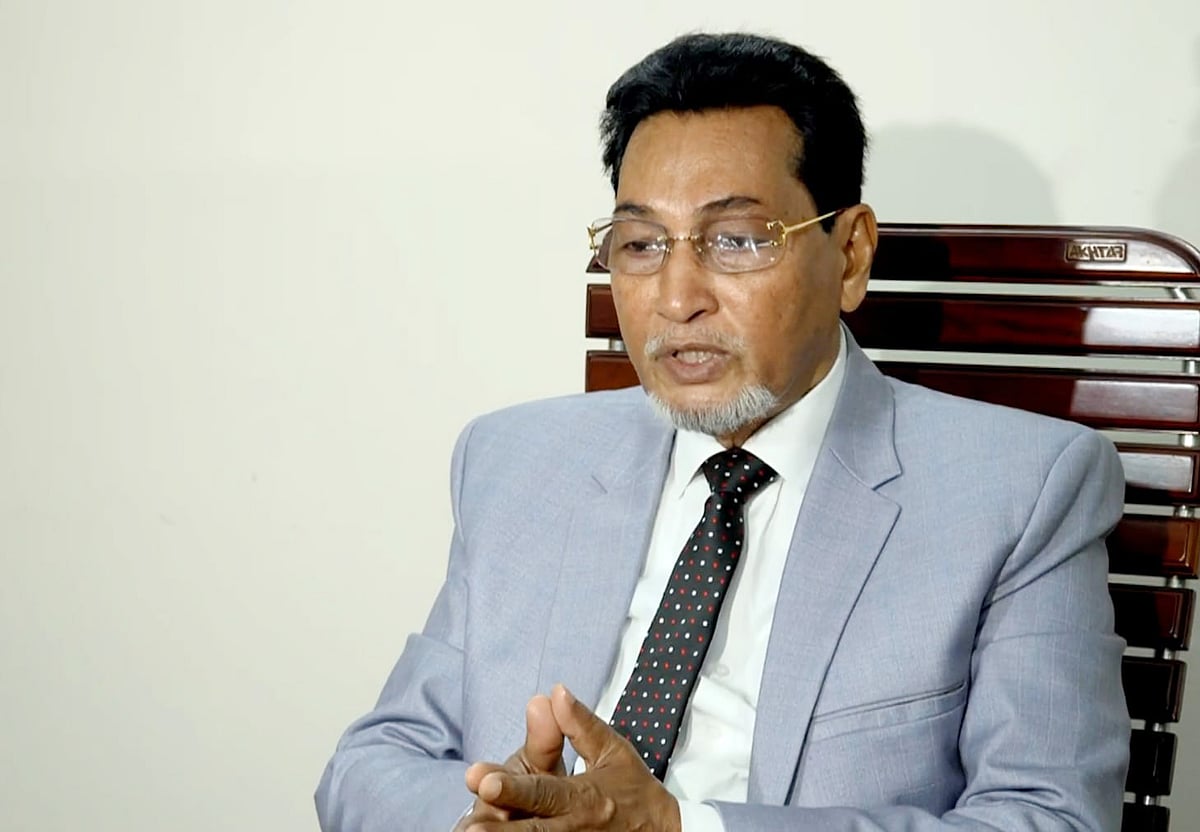
Photo Collected
The third session of the National Parliament is set to commence on Thursday, with Chief Whip Nurul Islam Moni prioritizing the immediate formation of parliamentary committees. Moni stated that the committees will be finalized as soon as the opposition party submits its list of nominees. The session is expected to last between five and ten days, though the duration may be extended if legislative requirements necessitate further time.
Addressing the media at the Parliament Building on Wednesday, the Chief Whip outlined an agenda featuring approximately six significant bills, including legislation pertaining to property transfer and the protection of human rights, particularly regarding enforced disappearances. Regarding the proposed property transfer law, Moni explained that the legislation aims to protect the elderly by ensuring that parents retain the right to possess and use property even after signing it over to their children, thereby mitigating neglect.
A central focus of the upcoming session involves constitutional reforms and the implementation of commitments made under the July Charter. Moni emphasized that any modification to the constitution, even minor punctuation changes, constitutes reform. To oversee this process, there is a proposal to establish a 17-member committee, including seven representatives from the Bangladesh Nationalist Party (BNP), five from Jamaat-e-Islami, and one from each of the smaller political parties. The Chief Whip noted that constitutional amendment is a routine democratic practice, citing the example of India, which has amended its constitution 106 times over the past 76 years.
The Chief Whip underscored the vital role of the opposition in holding the government accountable. He expressed hope that opposition parties would refrain from street agitation and instead utilize the floor of the parliament to engage in constructive debate and address public grievances. He warned against actions that could destabilize the current democratic order, stating that the gains made after 17 years of struggle against authoritarianism must be preserved through parliamentary discourse.
Furthermore, Moni criticized the economic policies of the previous administration, particularly regarding the power sector. He described the existing power purchase agreements as a source of long-term economic burden, noting that previous legislation had been crafted to provide immunity, effectively shielding these contracts from scrutiny. He specifically characterized the power agreement with Adani Group as a severe lapse in judgment, citing the high cost of electricity purchased under the contract. The Chief Whip called for collective cooperation to address the financial strain caused by these agreements and the burden of capacity charges paid to power plants that are not operational.
0%
0%
0%
0%
More News from Local