
July Uprising Architect Abdul Kader Reflects on Nine-Point Demand and Post-Revolution Disillusionment
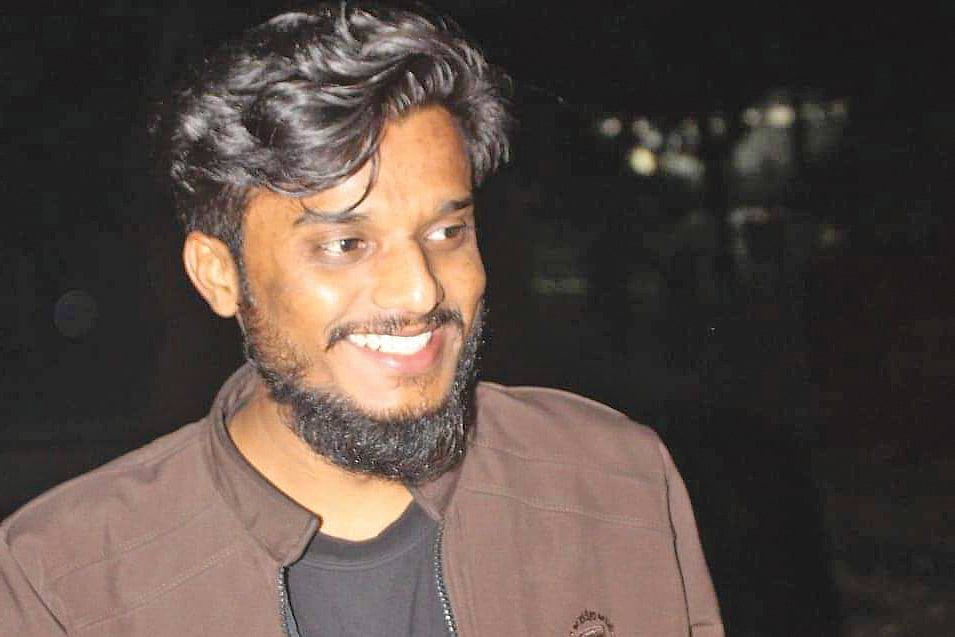
Photo Collected
As the July mass uprising continues to reshape the landscape of Bangladeshi politics, student activist Abdul Kader has emerged as a pivotal, if sometimes overlooked, architect of the movement. A student at Dhaka University’s Institute of Social Welfare and Research, Kader gained national prominence by articulating the “nine-point demand” that transformed the student-led quota reform protests into a successful bid to end the autocratic rule of the previous government.
In a candid reflection on the movement’s origins, Kader recounts a trajectory defined by personal sacrifice and strategic confrontation. Having faced exclusion from student dormitories and consistent intimidation by state-aligned student wings, Kader’s decision to remain at the forefront of the protests was fueled by a rejection of the status quo. He describes his involvement as an existential commitment, noting that despite the constant threat of enforced disappearance or arrest, the goal of dismantling systemic injustice outweighed his personal safety.
বিজ্ঞাপন
The drafting of the movement’s landmark nine-point demand occurred during a period of intense volatility and state-imposed communications blackouts. Kader describes the process as a desperate effort to maintain momentum while senior leadership faced arrests and forced underground life. Amidst the chaos of mid-July, particularly following the heavy casualties at the Jatrabari police station, Kader and his peers grappled with conflicting pressures—including attempts by intelligence agencies to coerce student leaders into accepting negotiated settlements.
Kader recalls that the nine-point charter was finalized through a series of clandestine virtual meetings. These demands, which included the resignation of the cabinet and the prosecution of government officials involved in the violent crackdown, were crafted to move beyond mere quota reform. He reveals that the inclusion of a demand to ban partisan student politics was a subject of heated debate, ultimately resulting in a compromise to outlaw the “subservient” student politics that had fueled campus violence.
বিজ্ঞাপন
Reflecting on the post-uprising landscape, Kader expresses deep disillusionment with the current interim government. He argues that the spirit of the revolution, which cost thousands of lives, has been stifled by an exclusive decision-making process that ignored the grassroots stakeholders who led the movement. According to Kader, the selection of the current council of advisers occurred without adequate representation of students, intellectuals, or the public, leading to a continuation of governance failures and a decline in public trust. He notes that the lack of accountability and the return of a “tagging” culture on campuses suggest that the fundamental issues that triggered the uprising remain largely unresolved.
Kader also clarifies the internal frictions that marked the movement’s final days, particularly regarding the move toward a “one-point” demand for the government’s resignation. He details how internal disagreements over strategy nearly derailed the momentum, and how he insisted on pursuing the singular goal of toppling the regime to ensure that the students’ sacrifices were not diluted by political compromise.
Despite his critiques of the current political trajectory and his decision to remain independent from the new political entities formed by his former counterparts, Kader remains cautiously optimistic. He views the uprising as a critical turning point that has awakened a sense of civic duty among citizens, establishing a precedent that governments are accountable to the people. For now, however, Kader says he is prioritizing his family and observing the political climate from a distance, wary of a system that he believes has yet to prove its commitment to the radical reforms the July uprising demanded.
0%
0%
0%
0%