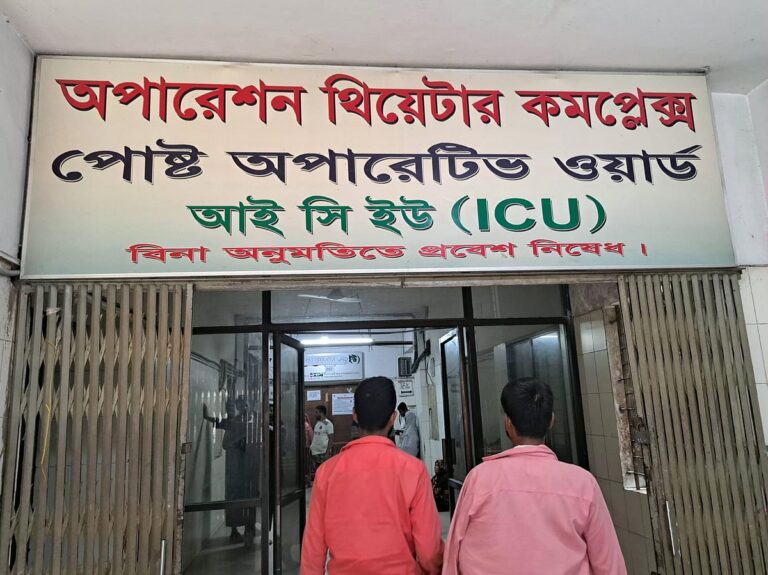



Decision to experimentally load shedding 110 MW in Dhaka: State Minister in Parliament
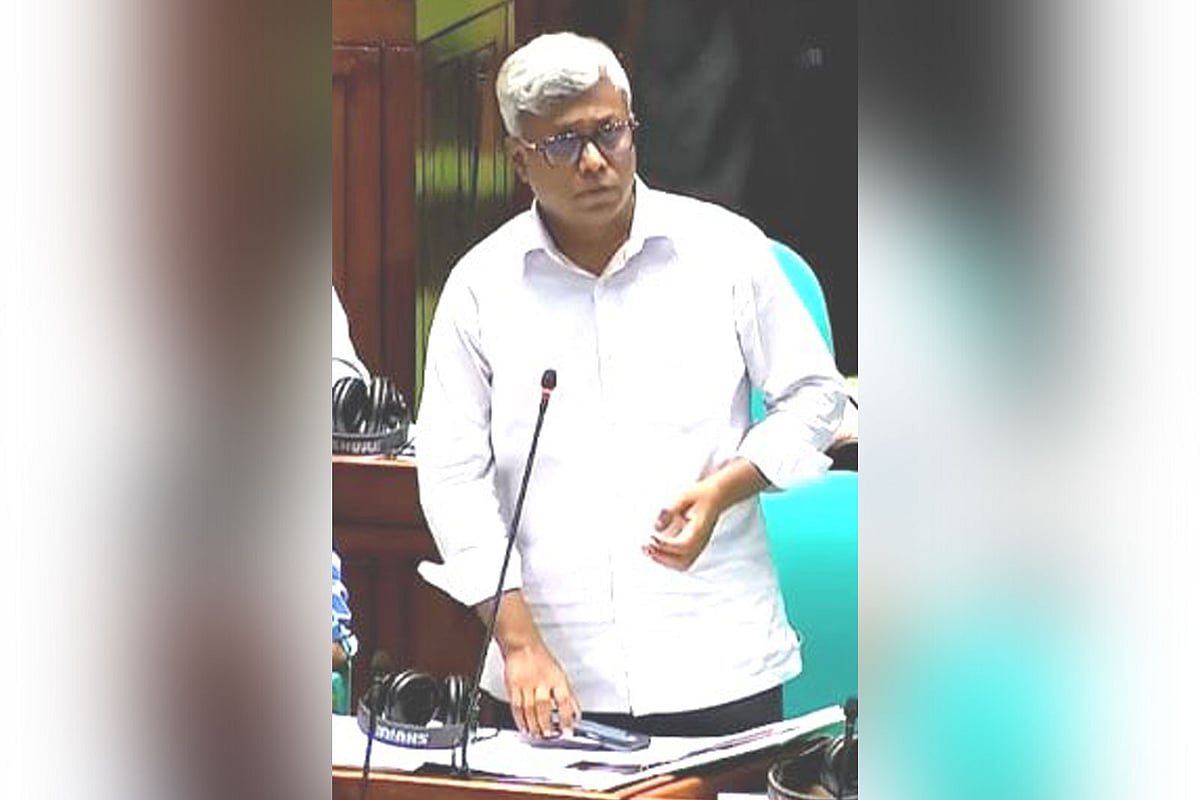
Photo Collected
To ensure that the farmers are not affected, to keep the load shedding at a tolerable level and to reduce the electricity disparity in the rural-urban areas, the government has decided to conduct an experimental load shedding of 110 MW in the capital Dhaka. State Minister for Power and Energy Anindya Islam said this in a statement given under Rule 300 in the National Parliament on Thursday.
The state minister blamed the mismanagement of the Awami League government and the lack of adequate fuel supply for the power problem. Expressing regret on behalf of the government due to the suffering of people due to load shedding, he said that the load shedding of about 2,000 megawatts seen today or the suffering that has to be accepted, it will reduce in the next seven days.
বিজ্ঞাপন
Stating that the government is trying to ensure uninterrupted power supply, the State Minister for Power said that despite this, it is seen that there is load shedding in some places due to lack of adequate power supply. In order to bring this issue to a tolerable level, on the advice of the Prime Minister and in consultation with the opposition leader, it has been decided to initially, experimentally load shedding 110 MW in the capital Dhaka.
Anindya Islam said, “We think that the people of the city will be comfortable and the people of the village, i.e. the hardworking farmers, will be in trouble, this is not desirable in any way.” Because the spirit of the July coup was a non-discrimination Bangladesh society i.e. there can be no discrimination between the city and the village, we have decided to load-shedding in the city as necessary to remove that discrimination. So that the farmers can get enough electricity for their irrigation.
বিজ্ঞাপন
State Minister of Electricity said, ‘There is no hesitation in admitting that many people have to face the problem of electricity in this hot summer. This problem is not one day. The responsibility of this accumulated problem is in no way the responsibility of the current elected government or anyone. Everyone has to take responsibility for the mismanagement of the previous fascist government.
At present, the production capacity is high on paper, but it is average with the reality, said the State Minister for Power. He said, yesterday (Wednesday) the maximum demand of electricity was about 16 thousand megawatts. On the contrary, 14 thousand 126.35 megawatts have been able to produce electricity. That is, they are forced to load shedding 2 thousand 86 megawatts.
State Minister for Power Anindya Islam said that the government had taken a policy from the beginning, since the farmers should not be harmed in any way during the growing season. Prime Minister directed to ensure adequate diesel and uninterrupted power supply for crop irrigation. They are trying to ensure that.
The state minister said, “I am humbly expressing my sincere condolences to the people of the country today, standing in this great parliament, on behalf of the Tariq Rahman-led BNP government for their suffering. I just want to assure you that our best effort is to continue uninterrupted power and fuel supply to ease the suffering of the people.
Stating that the question may arise as to why the power plants are failing to produce despite having the capacity, the State Minister for Power said that there is a demand of 3800 million cubic feet of gas in Bangladesh every day. At present production is 1686 million cubic feet per day. Average daily import is 950 million cubic feet. Even if there is capacity, there is no opportunity to increase the import of gas. Because the existing infrastructure cannot be expanded overnight. Visible progress can be seen in the current government’s 180-day priority list to enhance this infrastructure.
The State Minister for Power said, ‘one of the two imported power plants and another coal-based power plant are not able to supply enough electricity due to their own maintenance. Hopefully, they will go into full production within the next few days. In that case, the kind of load shedding of about 2,000 megawatts we are seeing today or it will reduce within the next seven days.
Source: Prothom Alo Bangla
0%
0%
0%
0%