
Conviction Rate in Women and Child Abuse Cases Stands at 3%, Acquittals at 70%
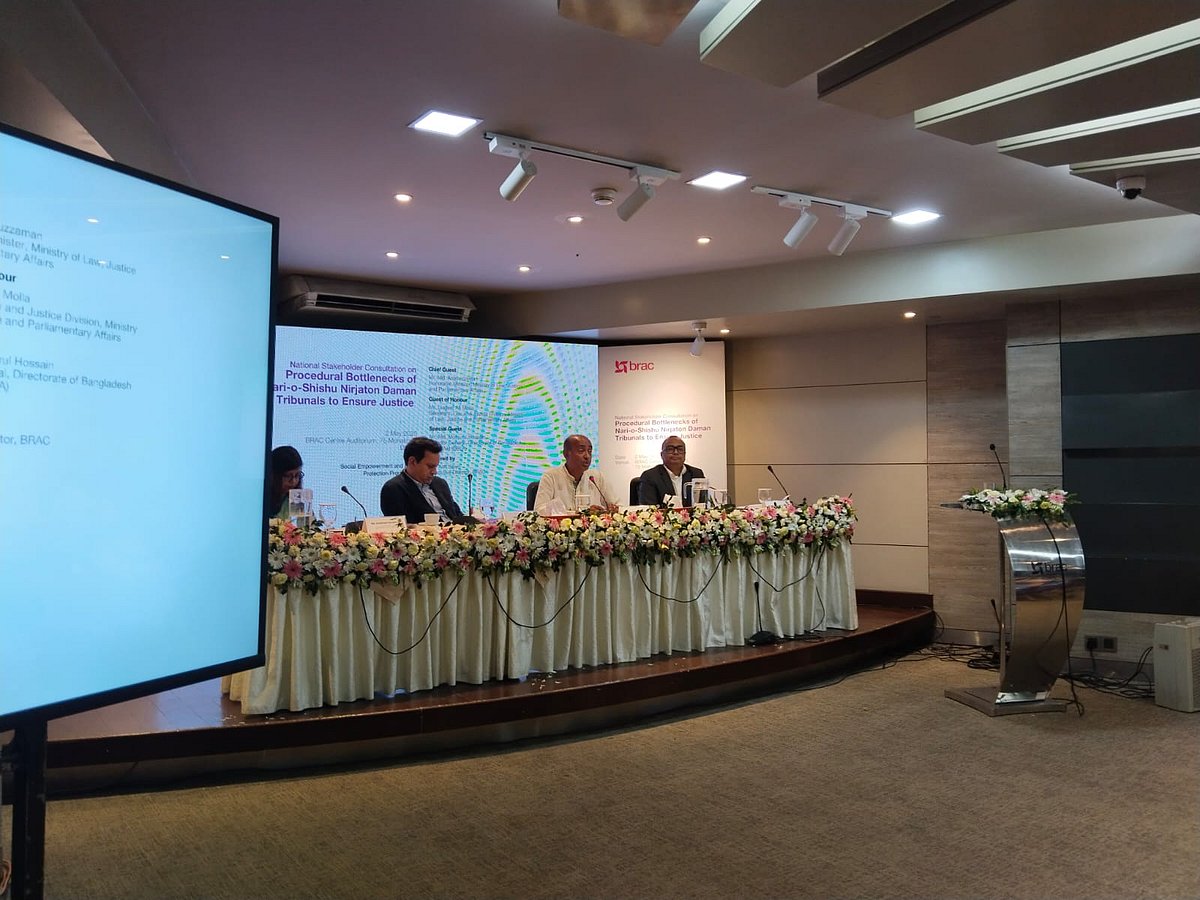
Photo Collected
A recent study has revealed that only about 3% of cases involving violence against women and children result in convictions in Bangladesh, with approximately 70% of defendants being acquitted. The research attributes this low conviction rate to a protracted judicial process, weak evidence, a lack of witnesses, and structural limitations within the legal system.
The findings were presented at a consultation meeting held at the BRAC Centre in Dhaka, stemming from a joint study by the Bangladesh Supreme Court and BRAC titled “Identifying Procedural Obstacles in Tribunals for the Prevention of Oppression of Women and Children and Effective Ways to Resolve These Obstacles.”
বিজ্ঞাপন
Ummey Kulsum, a former District and Sessions Judge who led the research, shared the study’s observations. The analysis encompassed 4,040 cases decided between January and June 2025 across 46 tribunals in 32 districts. It examined the duration of proceedings, the number of adjournments, the types of applications for delays, case categories, details of witnesses and accused parties, forensic examinations, and the nature of verdicts.
Despite the legal provision under the Women and Children Repression Prevention Act, 2000, mandating case disposal within 180 working days, the study found that, on average, cases take approximately 3 years and 7 months to conclude. Each case requires an average of 22 hearing dates.
বিজ্ঞাপন
Key factors contributing to the lengthy trials include the absence of complainants and witnesses, frequent requests for adjournment, delays in investigations, inadequate evidence, and a lack of witness protection. The research suggests that simply shortening timelines without addressing these fundamental issues will not yield effective results.
Law Minister Anisul Huq, speaking as the chief guest, acknowledged the issues raised, emphasizing that the core problem lies in the capacity of the judiciary and legal administration. Drawing from his extensive experience as a lawyer, Attorney General, and now Law Minister, he stated that the judiciary is the most neglected of the state’s three branches.
Huq highlighted the disproportionately low budgetary allocation to the judiciary, approximately 2.2 billion Bangladeshi Taka, compared to the Bangladesh Television (BTV) allocation of around 2.5 billion Taka and higher allocations for the Ministry of Youth and Sports. This limited budget, he noted, presents significant challenges in managing judges’ salaries, administrative expenses, and infrastructure development. He stressed the need to increase the judiciary’s budget and address systemic issues within decision-making processes.
The minister also pointed to challenges in promotions and structural imbalances in staffing from lower to higher courts, advocating for expedited recruitment and a more effective Judicial Service Commission. He commended the current Chief Justice’s leadership in improving the transparency and efficiency of the Judicial Service Commission’s recruitment process, as well as the Bar Council examinations. Huq concluded that improvements in mindset, structure, and capacity are crucial for enhancing the effectiveness of the justice system.
M. Manjurul Hossain, Director General of the Directorate of Legal Aid, addressed the perception that low conviction rates imply false cases, asserting that the reality is more complex. He explained that around 70% of violence against women incidents are never reported to the courts due to societal structures, stigma, fear, and prevailing mindsets.
Hossain noted that the severe penalties prescribed for such offenses often lead the accused to seek compromises or exert pressure, creating a difficult environment for victims and their families. Protracted legal proceedings and procedural complexities further weaken cases, while opportunities for appeal can extend judgments, leading many victims to abandon their pursuit of justice, not because the case is false, but due to these systemic hurdles.
He added that many incidents, such as dowry-related violence or domestic abuse, occur within the home, making external witnesses scarce and complicating evidence presentation. Victims often endure prolonged abuse before seeking legal recourse.
Hossain emphasized the need for better coordination between the Ministry of Law, Ministry of Home Affairs, Ministry of Health, and the judiciary to streamline evidence collection and expedite trials. He believes that with a positive and sensitive approach from judges, cases of violence against women and children can be handled more effectively and swiftly, asserting that the law itself has no significant deficiencies.
Asif Saleh, Executive Director of BRAC, presided over the event, and Shashwaty Biplob, Associate Director of BRAC’s Social Empowerment and Legal Protection and Gender Justice and Diversity programs, delivered the welcome address. Biplob highlighted the painful reality of violence against women in Bangladesh, citing daily reports and studies indicating that nearly 90% of women experience partner violence at some point in their lives, a figure corroborated by recent joint surveys.
0%
0%
0%
0%