
Photographer Sells Camera for Daughter’s Care, But 9-Month-Old Dies Waiting for ICU Equipment
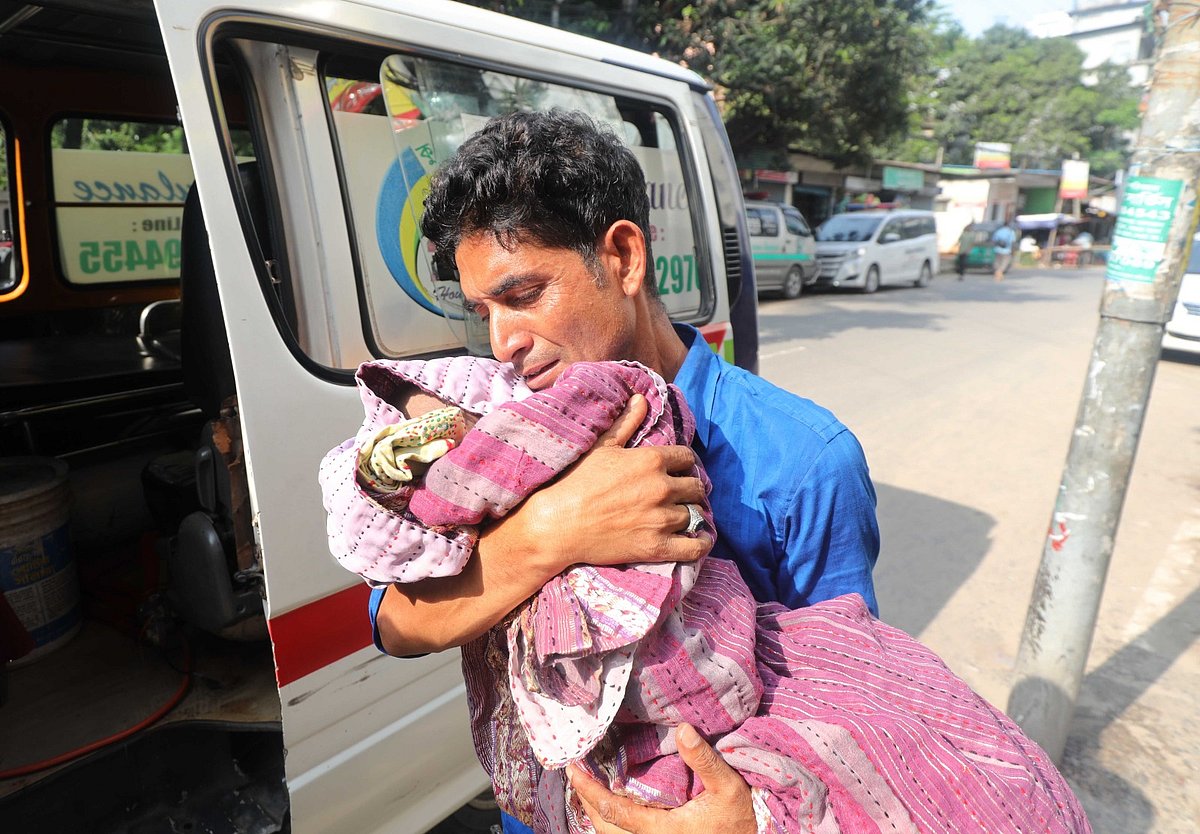
Photo Collected
CHITTAGONG, Bangladesh — In a heartbreaking tragedy at Chittagong Medical College Hospital (CMCH), a nine-month-old girl lost her life to measles complications while her father was frantically trying to purchase a life-saving oxygen component that the hospital’s Intensive Care Unit (ICU) failed to provide.
Mohammad Alam, a beach photographer from Cox’s Bazar Sadar Upazila, had already sold his camera—his sole source of livelihood—to pay for his daughter Suraiya Alam’s treatment. On Monday afternoon, he managed to track down a commercial supplier to buy a high-flow nasal cannula circuit for BDT 11,500. While begging the representative over the phone to deliver it quickly, Alam received a call from an ICU nurse informing him that Suraiya had just passed away.
বিজ্ঞাপন
Upon hearing the news, Alam collapsed in tears, still clutching the equipment slip. Inside the ICU, his wife, Chenwara Begum, opened the door and ran onto the balcony screaming in grief, “I don’t need anything else… I don’t have a daughter. No more oxygen pipes will be needed.” Around 3:00 PM, the devastated family left the hospital premises to take the child’s body back to Cox’s Bazar.
Critical Shortages in the ICU
The medical slip given to the family requested a “Fisher & Paykel Airvo 2, HFNC Circuit, Large Size,” a specialized device used to deliver heated and humidified oxygen to patients suffering from severe respiratory distress, pneumonia, or measles complications.
বিজ্ঞাপন
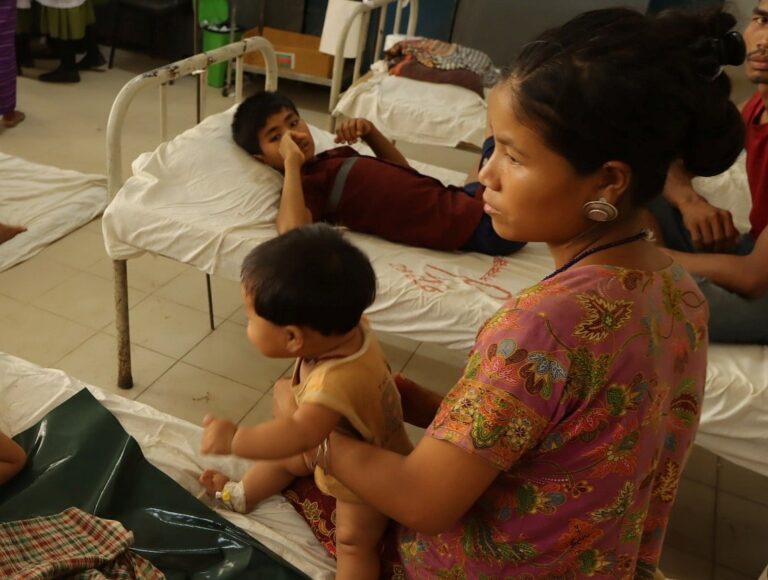
Suraiya’s death has cast a harsh light on the infrastructural deficits at CMCH. Out of the 20 beds in the pediatric ICU, 15 are currently occupied by children presenting with measles symptoms. The unit possesses 12 high-flow nasal cannula machines, but doctors disclosed that at least two are completely non-functional due to leaks.
A physician from the pediatric department, speaking on the condition of anonymity, revealed that half of the pediatric ICU relies entirely on private donations. “Because the government does not supply most of the vital components, and the available parts frequently break down, doctors are forced to ask patients to buy them externally,” the doctor stated, adding that the machine initially assigned to Suraiya was leaking, and a backup machine also malfunctioned.
When confronted with the incident, the Director of CMCH, Brigadier General Mohammad Taslim Uddin, stated that 10 of the ICU beds are donor-funded and 10 are government-funded, noting that there are 41 high-flow machines across the entire hospital complex. “It should not be necessary for a patient’s family to purchase a High-Flow Nasal Cannula (HFNC). I will look into this matter immediately,” he stated.
A Surging Outbreak
Suraiya had initially suffered a fever last month and was treated at Cox’s Bazar Sadar Hospital. After her fever returned last Thursday, her condition deteriorated, and she was rushed to CMCH that same night. Doctors confirmed that she had developed “measles encephalitis,” a severe and dangerous complication where the virus causes acute inflammation of the brain, leading to high fever, convulsions, and neurological damage.
The hospital is currently witnessing a stark spike in fatalities. According to data from the CMCH Child Health Department, four children, including Suraiya, died from measles and measles-induced pneumonia between noon on Sunday and 2:00 AM on Monday. This followed the deaths of seven other children exhibiting similar symptoms between Saturday night and Sunday afternoon.
Despite the heavy toll on the ground, a significant discrepancy remains in official records. The District Civil Surgeon’s office reported that 43 patients were admitted with measles symptoms across Chittagong within a recent 24-hour window, but their official log maintained that there were zero deaths from measles symptoms during that exact period. According to the Civil Surgeon’s official tally, only one confirmed measles death and eight symptomatic deaths have occurred in the district overall, with 129 total confirmed cases.
0%
0%
0%
0%