
Dhaka University Grapples with Food Safety Crisis as Students Report Contaminated Meals Across Campus
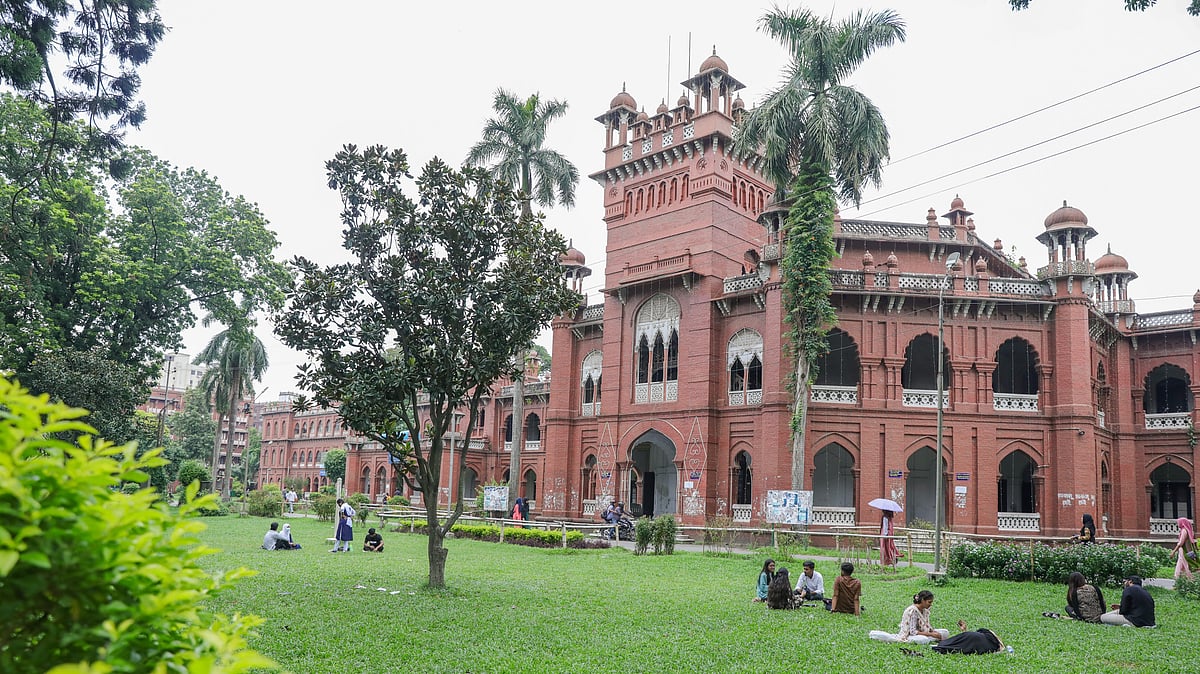
Photo Collected
Students at the University of Dhaka are increasingly sounding the alarm over unhygienic and hazardous food served in campus residential halls, reporting frequent discoveries of insects, debris, and metal fragments in their meals. From earthworms in vegetable curries to razor blades found in servings of meat, the recurring incidents have sparked widespread concern regarding food safety standards, institutional oversight, and the long-term health risks posed to the student body.
Recent reports highlight a systemic failure in quality control across various halls. At the Sheikh Mujibur Rahman Hall, students discovered an earthworm in a serving of spinach and chicken, while students at the Shahid Sergeant Zahurul Haque Hall reported finding a razor blade in their food on July 5. The latter incident was followed by reports of cockroaches and earthworms in the same facility just weeks later. Similar accounts of contaminants—ranging from leeches and cigarette filters to rubber bands and foreign objects—have been documented at the Bijoy Ekattor, Poet Jasimuddin, and other halls.
বিজ্ঞাপন
The pervasive nature of these issues has led to documented cases of food poisoning and gastrointestinal distress among residents. Students report that despite the health hazards, they are often financially compelled to rely on hall canteens because the price of meals at private establishments surrounding the campus is significantly higher.
Canteen managers attribute the quality issues to soaring commodity prices and the limited budget allocated by students, claiming that providing high-quality, nutritious meals at current price points is unsustainable. Conversely, students and experts argue that the crisis is rooted in a lack of administrative accountability and the absence of a structured food safety policy.
বিজ্ঞাপন
Professor Abu Torab Mohammad Abdur Rahim of the university’s Institute of Nutrition and Food Science noted that students are suffering from both systemic neglect and nutritional deficiency. According to his assessment, hall meals fail to meet the required daily caloric intake of 2,000 to 2,400 calories, and the quality of raw materials used is often the lowest available on the market. Without sufficient subsidies, he argues, it is unrealistic to expect high-quality nutrition from the current canteen model.
While university authorities acknowledge the gravity of the situation, the response has been largely reactive. Hall provosts have initiated investigations into specific incidents, resulting in occasional fines for canteen managers. Pro-Vice Chancellor (Administration) Professor Al-Mogaddedi Alfesani stated that the administration has issued directives for stricter monitoring by house tutors and is exploring the possibility of providing subsidized essential commodities through the Trading Corporation of Bangladesh (TCB). Furthermore, the university is considering utilizing a proposed endowment fund to provide direct subsidies to hall canteens to stabilize meal costs and improve nutritional quality.
Despite these assurances, student leaders express frustration over the slow pace of implementation. Although election promises were made to introduce regular professional food audits and subsidized meal menus, progress remains stalled due to funding constraints and bureaucratic hurdles. As the administration pledges to intensify oversight, the student community continues to call for sustainable solutions that prioritize health and safety over cost-cutting measures.
0%
0%
0%
0%