
Bangladesh Women and Children Affairs Ministry Staff Face Seven-Month Pay Stoppage Amid Transition to New Project

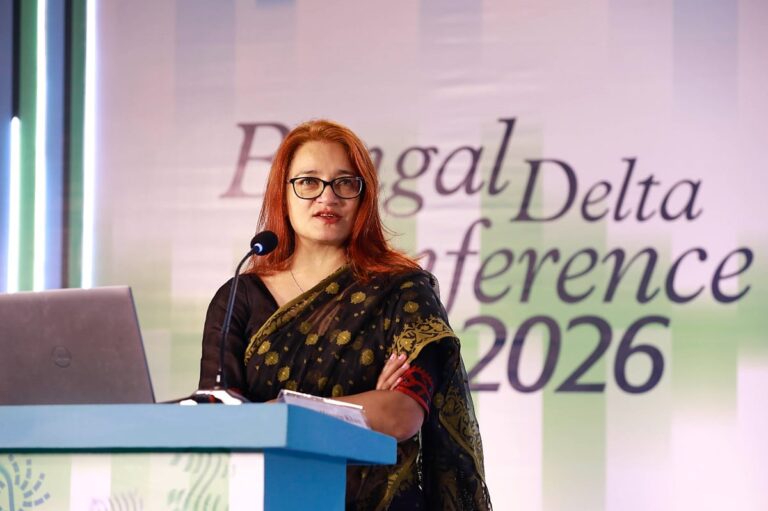
Photo Collected
More than 100 staff members tasked with providing critical care to survivors of gender-based violence have been working for seven months without pay, as a transition between government projects has left them in professional limbo. The employees, many of whom served the long-standing “Multi-Sectoral Programme on Prevention of Violence Against Women” for over two decades, are now navigating the uncertainty of a new initiative despite being asked to continue their duties without remuneration.
The crisis centers on the newly approved “Integrated Services and Quick Response Team Activities for the Prevention of Violence Against Women and Children” project under the Department of Women Affairs. While the government has filled at least one consulting position within the new framework with a monthly salary of nearly 300,000 taka, the frontline workers—including those at the One-Stop Crisis Centre at Dhaka Medical College Hospital—have gone unpaid since January. Frustrated by the lack of financial security and the threat of losing their jobs to external outsourcing, staff members recently staged a work stoppage.
বিজ্ঞাপন
Internal reports and employee accounts suggest that wage irregularities have plagued the sector for two years, following the withdrawal of funding partner DANIDA in 2022 and the government’s subsequent decision to downgrade the program’s priority status. Despite the project’s official expiration in June, a directive issued by project director Iftekhar Hossain in March requested that existing staff continue operations to ensure uninterrupted emergency services while new recruitment processes remain underway.
Government officials, including Deputy Project Director Rubina Gani, maintain that the closure of the old project effectively terminated the contracts of the previous workforce. Officials note that current fiscal regulations and the requirement to hire new staff through outsourcing complicate the disbursement of arrears. While authorities have indicated that experienced personnel may receive priority in the new hiring phase, the ongoing labor dispute and repeated failures to finalize the tender process have stalled the rollout of the new program.
বিজ্ঞাপন
The situation has created a profound humanitarian and administrative dilemma. With 381 personnel originally tied to the project, the workers argue that their years of specialized experience in managing forensic labs, trauma counseling centers, and the “109” national helpline are being disregarded. As the ministry struggles to navigate the budgetary complexities of a new fiscal year and “lump sum” allocations, the frontline responders, who are essential to the nation’s response to gender-based violence, remain caught in a cycle of financial hardship and job insecurity.
0%
0%
0%
0%