
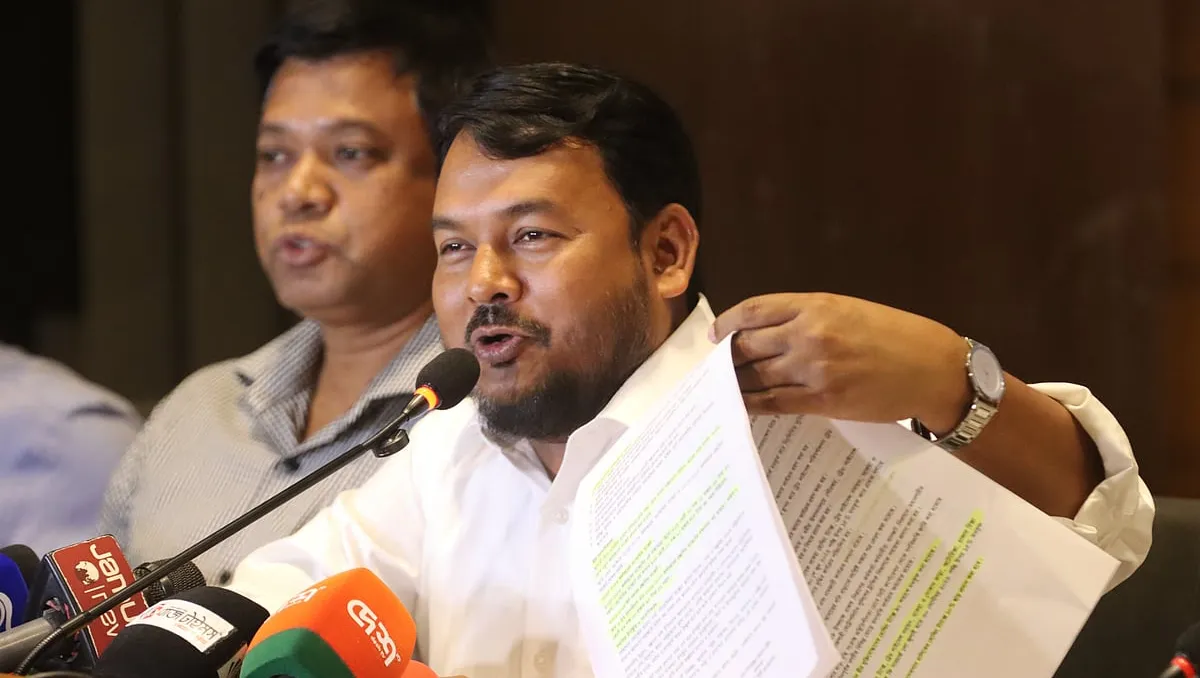
Rajshahi City Corporation (RCC) has unveiled a proposed budget of 1.01 billion taka for the 2026-27 fiscal year, prioritizing infrastructure development, healthcare, and digital transformation. The budget, announced Tuesday by RCC Administrator Mahfuzur Rahman (Riton) at the city’s administrative headquarters, maintains existing tax rates, sparing citizens from any new financial burdens.
The proposed allocation represents a significant increase from the previous year’s revised budget of 934.5 million taka. Administrator Rahman emphasized that the financial plan is designed to be realistic, focusing on balancing revenue and expenditure while ensuring the continuity of essential public services.
A centerpiece of the new budget is a major expansion of healthcare services. Plans include the modernization of the City Hospital, the recruitment of specialist physicians, and the provision of affordable medical care for low-income residents. Additionally, the city will introduce four new ambulances and two freezing ambulances to bolster emergency response capabilities. Public infrastructure will also see upgrades, with new initiatives for purified water stations, modern restrooms, and prayer facilities at high-traffic locations such as bus terminals and railway stations.
In an effort to incentivize sustainable urban living and provide relief to vulnerable populations, the corporation will maintain a 90 percent holding tax exemption for freedom fighters. Residents who prioritize green initiatives will benefit from a 10 percent tax break for maintaining rooftop gardens. Furthermore, the city has announced a three-month amnesty period from July 1 to September 30, during which a 15 percent surcharge on holding taxes, trade license renewals, and shop rents will be waived.

Environmental management and infrastructure modernization remain at the forefront of the administration’s strategy. The budget allocates funds for a comprehensive waste management project aimed at converting refuse into organic fertilizer, biogas, and electricity. Simultaneously, the city plans to enhance its drainage network, increase pest control efforts with new equipment, and complete three ongoing flyover projects at Horgram, Billshimla, and Bondgate by December.
Long-term development goals outlined in the budget include the construction of a 2,000-bed specialized hospital, a biodiversity park, and an international-standard convention center. In the immediate future, the city aims to boost digital accessibility by introducing online payment systems, a one-stop service center, and a dedicated helpline (16105). To support the youth, the corporation will establish training centers focused on artificial intelligence, freelancing, and foreign language acquisition to prepare residents for the global labor market.
The environmental agenda is underscored by a tree-planting campaign, with a target of planting 250,000 saplings over the coming year. As of now, the first phase, involving 53,000 saplings, is already underway. The administration’s vision extends to cultural and educational enrichment, with provisions for student scholarships and various competitive events to foster local talent.




