
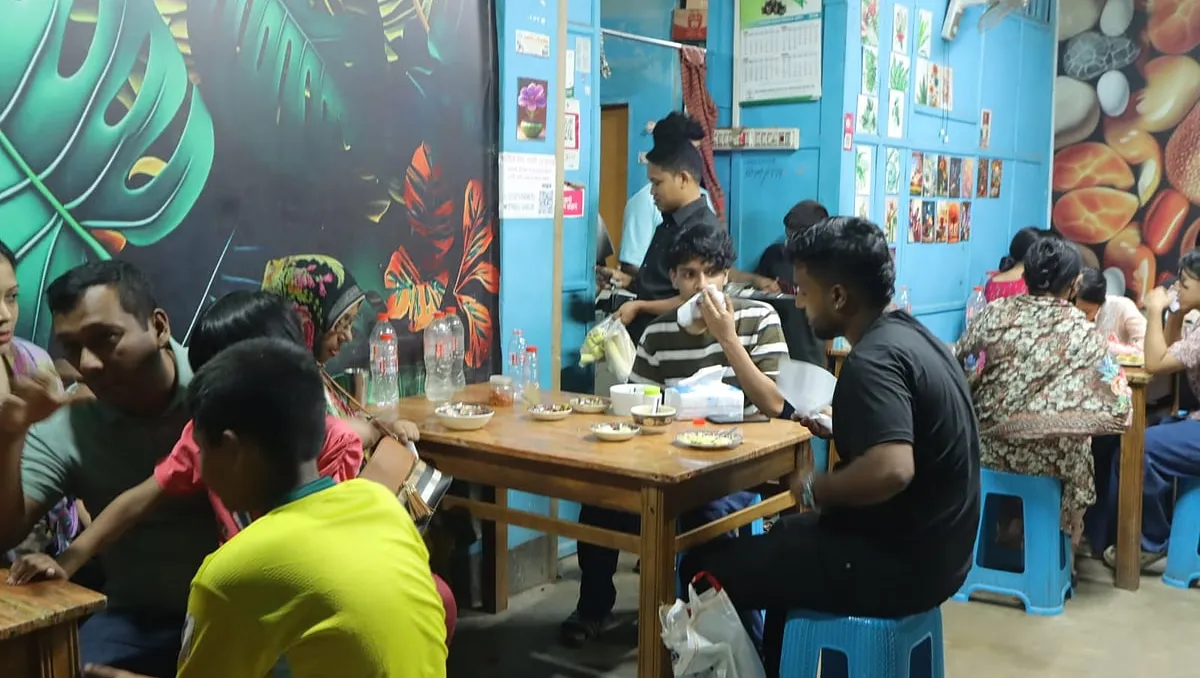
The culinary landscape of Bangladesh’s Chittagong Hill Tracts has emerged as a cornerstone of the region's tourism appeal, drawing visitors eager to experience an indigenous food culture defined by minimal oil, subtle spicing, and a deep connection to the land. For many travelers, trekking through the region’s peaks and waterfalls remains incomplete without sampling local delicacies, a sentiment echoed by tourists who increasingly prioritize traditional hillside cuisine over standard urban fare.
Local restaurateurs note that these dishes represent a storied cultural heritage rather than mere daily sustenance. From the bustling eateries of Bandarban to the kitchens of Rangamati and Khagrachhari, staples like *Mundi*, *Hebang*, and *Laksu* serve as culinary ambassadors. These dishes often utilize ingredients harvested directly from the *Jhum* (slash-and-burn) fields, alongside foraged bamboo shoots, wild chilies, and dried fish, which infuse the food with a distinct, earthy profile.
Among the most sought-after items is *Mundi*, a traditional noodle dish favored by the Marma community. Crafted from *Jhum* aromatic rice, the dough is prepared through a meticulous soaking and processing method before being shaped into thin strands. Served in a broth seasoned with shrimp paste and a tangy tamarind infusion—often paired with grilled chicken—the dish has become a staple of local evening life, particularly in areas like Ujanipara and Balaghata.
For heartier meals, visitors frequently turn to *Laksu* and *Tojah*. *Laksu* is a piquant chicken-based chutney known for its heavy reliance on fiery local chilies, making it a favorite for those who favor bold, spicy flavors. In contrast, *Tojah* offers a simpler, healthier profile, featuring boiled seasonal vegetables blended with shrimp paste and chilies.

The technique of *Hebang* further highlights the region's resourcefulness. By cooking chicken, fish, or other meats inside bamboo culms or wrapped in banana leaves over an open flame, the food absorbs a unique, smoky aroma. This preparation method, which requires almost no oil, has garnered significant popularity among health-conscious travelers. During the monsoon season, the focus shifts to *Bhachurimalah*—a dish of stir-fried bamboo shoots seasoned with shrimp paste—which serves as a seasonal highlight for both locals and tourists.
According to researcher Mongkyashoiayenu Marma, the distinctive character of these foods is an inevitable result of the region's geography and climate. He notes that the availability of specific crops and the natural environment have long dictated the evolution of this food culture. As travelers seek more authentic, site-specific experiences, these age-old culinary traditions have transitioned from local dietary habits into a vital element of the region's tourism identity.




