
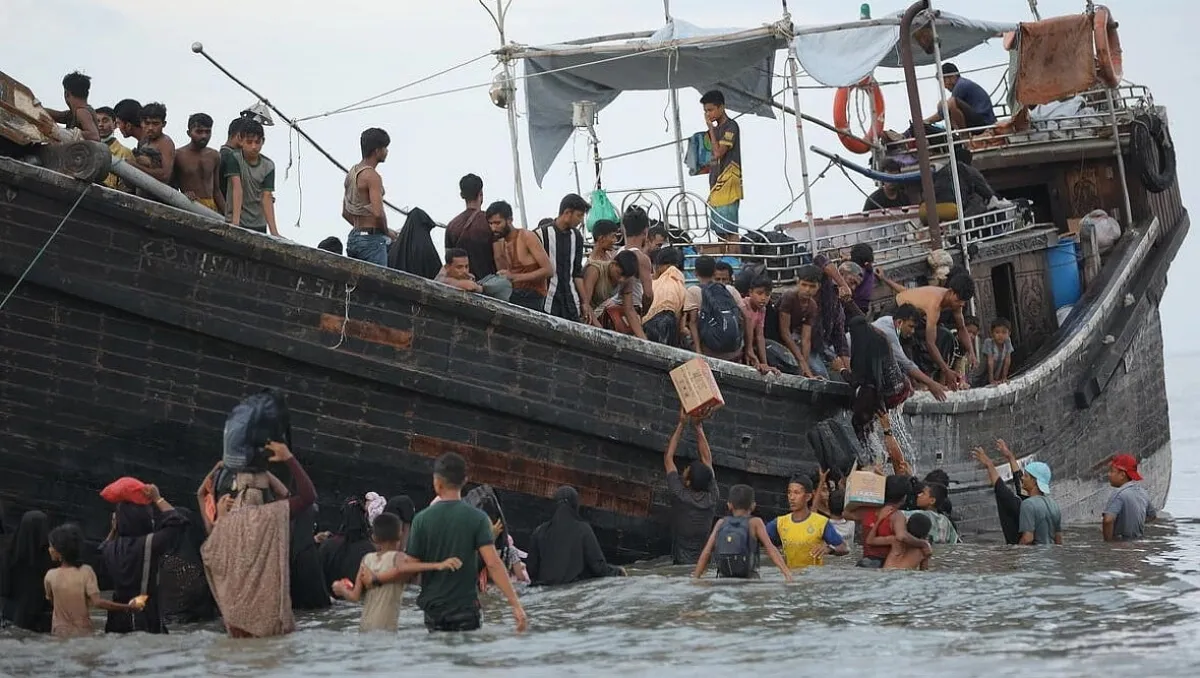
Around 900 Rohingya refugees are reported to have disappeared or died in the Andaman Sea and Bay of Bengal by 2025. According to the United Nations refugee agency UNHCR, this was the deadliest year in history for seafaring in South and Southeast Asia.
Last year, more than 6,500 Rohingya risked their lives to try to cross the sea. Of these, one in seven is dead or missing. Of all the refugee sea routes around the world, this route has the highest death rate.
More than half of the Rohingya who have crossed the sea in recent years are women and children. This trend has not decreased even in 2026. As of April 13 this year, more than 2,800 Rohingyas have chosen this dangerous voyage.
The horror of these facts has become more clear in the recent incident of a terrible boat sinking in the Andaman Sea. On March 26, a boat left Bangladesh with additional passengers. About 250 people went missing when the boat sank in the rough sea. Later on 9 April only 9 people could be rescued alive from the Andaman Islands. UNHCR is providing medical and mental health care to the rescued Rohingya. The organization is also ready to provide all kinds of support to the local administration in this regard.
Thousands of Rohingya choose this route despite the risk of human trafficking, persecution and death at sea. Overloaded and unseaworthy, these boats usually leave Cox's Bazar in Bangladesh or Rakhine State in Myanmar for Indonesia or Malaysia.

Most Rohingya refugees want to return to Myanmar voluntarily, safely and with dignity if the situation is favorable. But they do not see any light of hope in the ongoing conflict, oppression and uncertainty of getting citizenship. On the other hand, due to the lack of funds in Bangladesh, the humanitarian assistance to the Rohingya has decreased a lot. At the same time, Rohingyas are treading this dangerous path due to insecurity inside Rohingya camps and lack of opportunities for education and employment.
UNHCR called on countries to address the root causes of displacement and increase access to safe and legal routes. The organization also emphasized on strengthening regional cooperation to save human lives and prevent human trafficking.
There are currently more than 1.3 million Rohingya refugees in the region, of whom 1.2 million have taken refuge in Bangladesh. However, noting that only 53 percent of the needs in the joint humanitarian assistance program of 2025 will be received, UNHCR strongly demanded urgent assistance from the international community.




