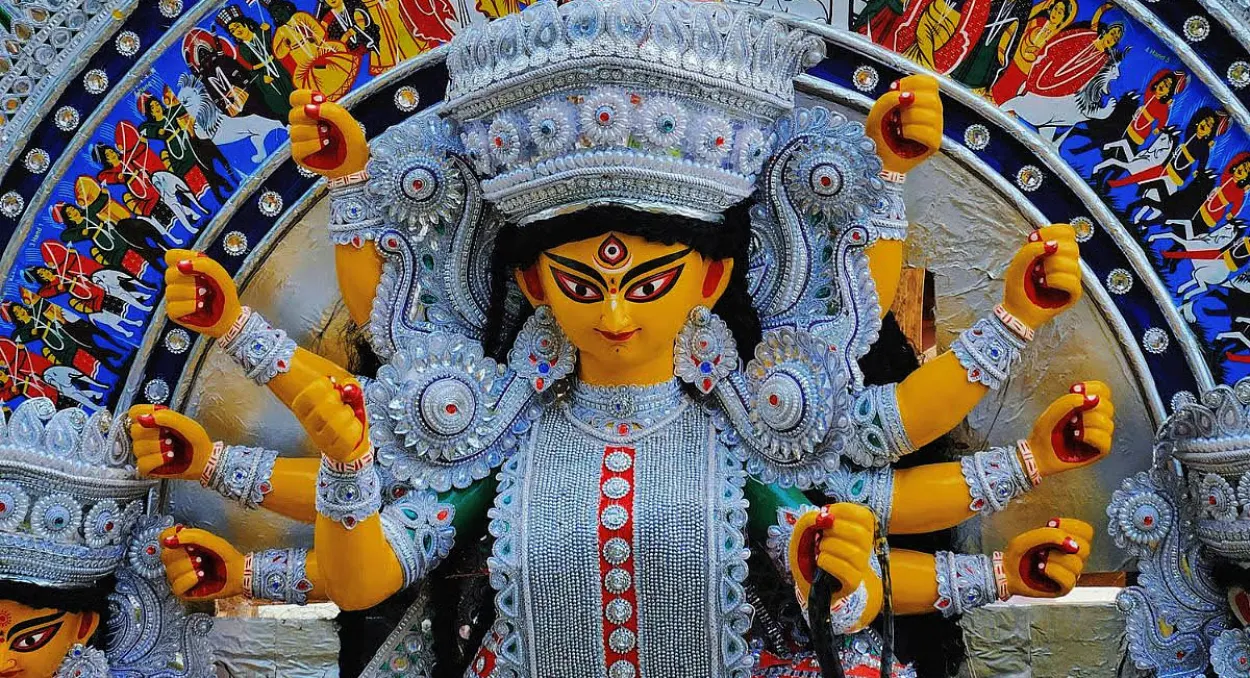
While Durga Puja celebrations have seen an upward trajectory across Bangladesh in recent years, traditional idol makers in Kolkata are reporting a marginal decline in orders, accompanied by a notable surge in the worship of the northern and western Indian deity Lord Ganesha.
Babu Pal, secretary of the artisans association in north Kolkata’s prominent idol-making hub of Kumartuli, noted that while the drop is not as drastic as some media reports claim, orders for theme-based idols have nearly vanished. Last year, Kumartuli produced between 8,000 and 9,000 idols, a figure that has dipped slightly this season without the customary year-on-year growth. Organizers are increasingly pivoting away from contemporary artistic concepts and returning to traditional single-frame (ekchala) goddess structures.
The shifting religious and cultural landscape in West Bengal is further highlighted by the rapid rise of Ganesha worship, heavily driven by the non-Bengali community residing in the state. According to organizers and artisans, Ganesha pujas in Kolkata jumped from 300 last year to 800 this year. Analysts and organizers attribute this trend to the political rise of the Bharatiya Janata Party (BJP) in the state. As an iconic northern deity and the son of Goddess Durga, Ganesha's rising prominence mirrors the expanding footprint of northern Indian political representation, signaling a broader evolution in the socio-cultural and political identity of Hindu Bengalis.
Recognizing Ganesha puja as a strategic vehicle to connect with the populace, BJP leaders and activists have actively participated in the festivities. According to reports from the newspaper Yugantar, state BJP President Samik Bhattacharya inaugurated multiple Ganesha pujas across the city, including events at Jyoti Nagar Bandhu Mahal Club and Lake Town Sporting Club. During these engagements, Bhattacharya also inaugurated a statue of Gopal Mukherjee, a controversial figure from the 1946 Kolkata riots, framing the religious festivities as a political platform.
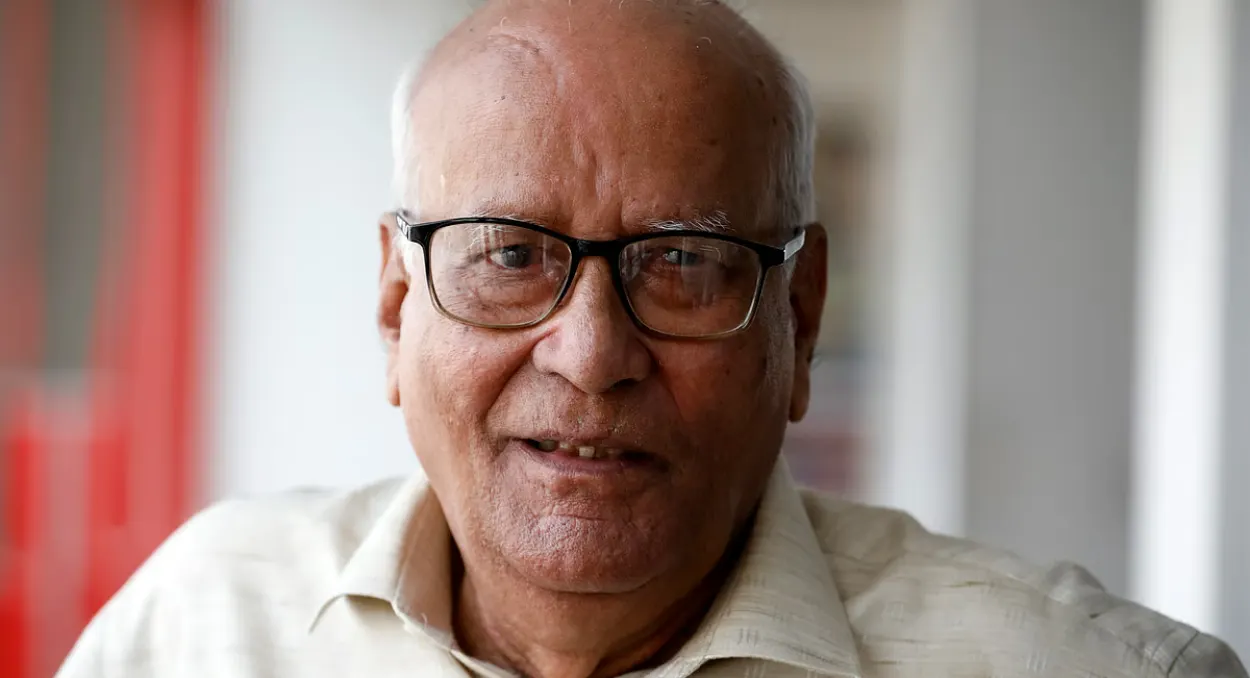
Artisans and association members, speaking on condition of anonymity, pointed to a combination of administrative restrictions, material shortages, and political directives for the downturn in Durga Puja preparations. Police enforced a strict eleven-foot height limit on idols in Kumartuli to prevent electrical hazards during immersion processions, making artists unwilling to take risks under the current political climate. Additionally, theme-based Durga idols plummeted from around 150 last year to just 10 or 12, as organizers canceled elaborate artistic orders due to an unwritten mandate favoring traditional facial expressions over avant-garde concepts.
Further compounding the crisis is a severe shortage of sandy clay caused by heightened government crackdowns on illegal sand and soil mining. Tighter guidelines from Chief Minister Suvendu Adhikari—warning against themes that could compromise traditional religious and cultural heritage, alongside restrictions barring puja inaugurations before Mahalaya—have forced organizers to cut budgets and scale back. These regulatory pressures, combined with uncertainties surrounding government subsidies, have triggered an unprecedented economic slump for Kumartuli’s sector, which encompasses more than 150 studios and a 250 crore rupee economy. With multiple organizations opting out of hosting pujas this year, the total number of major Hindu Bengali celebrations across West Bengal has visibly contracted.