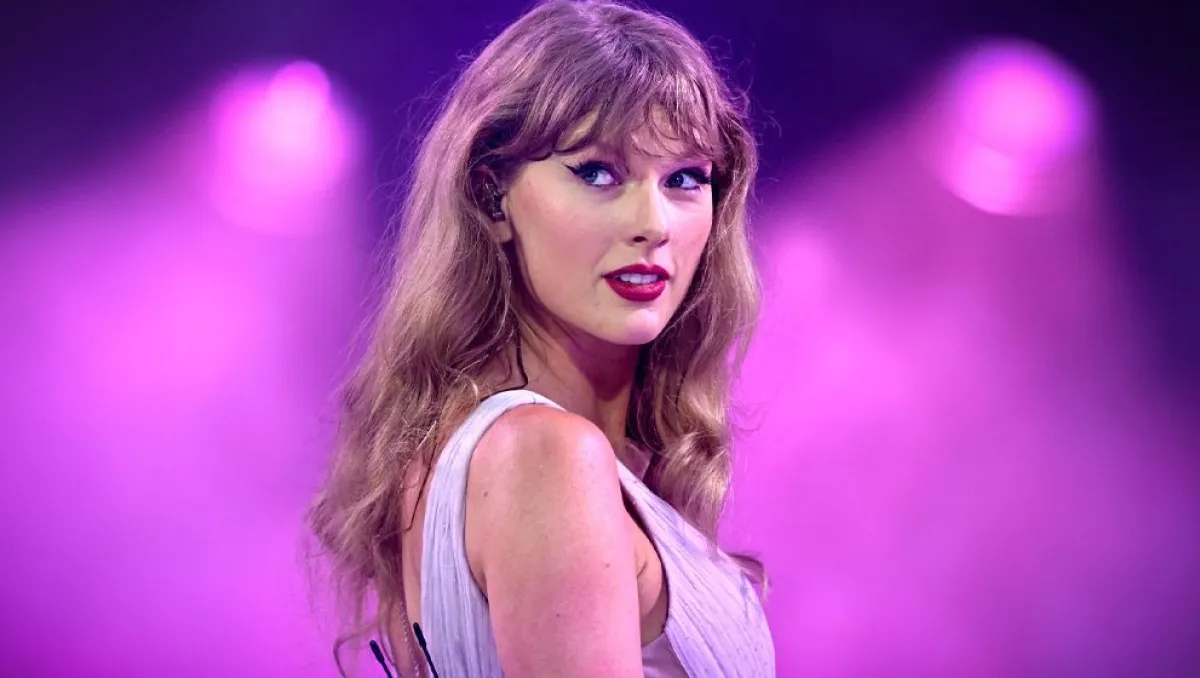
The rapid development of AI technology has led to growing concerns about the misuse of stars' voices and looks. In this situation, American pop star Taylor Swift has taken new legal steps to protect her identity.
He recently filed three applications with the United States Patent and Trademark Office, seeking to trademark his voice and a certain visual appearance.
According to the report of the international media Variety, on April 24, his company 'TAS Rights Management' made these applications. Two of these applications are related to her voice—around the phrases 'Hey, it's Taylor Swift' and 'Hey, it's Taylor'. The third application is a visual trademark, in which she is seen standing on stage in a glittering dress holding a pink guitar.
Attorney Josh Gerben brought up the first issue. According to him, entertainment stars are increasingly worried because of AI technology, as their voices and looks are being used without their permission.
Generally trademark law is not designed to protect a person's entire appearance or voice. But this new strategy could provide additional protections alongside traditional 'right of publicity' laws—especially against AI-based abuses.
Various AI content has previously used Swift's appearance without permission. Even the Mater AI chatbot has seen unauthorized use of him and has also spread fake and offensive pictures in his name online. Some AI images shared by Donald Trump during the 2024 US election falsely showed Swift endorsing him.
Actor Matthew McConaughey previously received similar trademark protection. The United States Patent and Trademark Office granted multiple trademark approvals for it in 2025. According to his lawyers, using this method makes it easier to take legal action against AI content created using someone's voice or face without permission.
Currently, states such as New York and California have 'Right of Publicity' laws, which regulate the commercial use of someone's image or identity. But lawsuits can be brought in federal court under trademark law, which applies across the country—so it can serve as a stronger legal defense.