
Energy Expert M Tamim Urges Long-Term Strategic Planning to Mitigate Bangladesh Power Crisis

Photo Collected
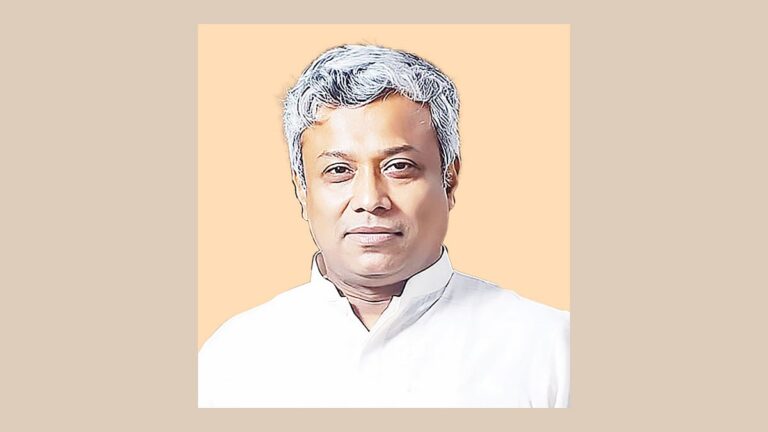
Energy experts warn that Bangladesh currently lacks immediate solutions to its ongoing power and energy crisis, necessitating a long-term strategy focused on infrastructure and efficiency. M. Tamim, an energy expert and Vice-Chancellor of Independent University, Bangladesh, stated that as the nation cannot immediately increase energy supplies, demand-side management remains the only viable path forward.
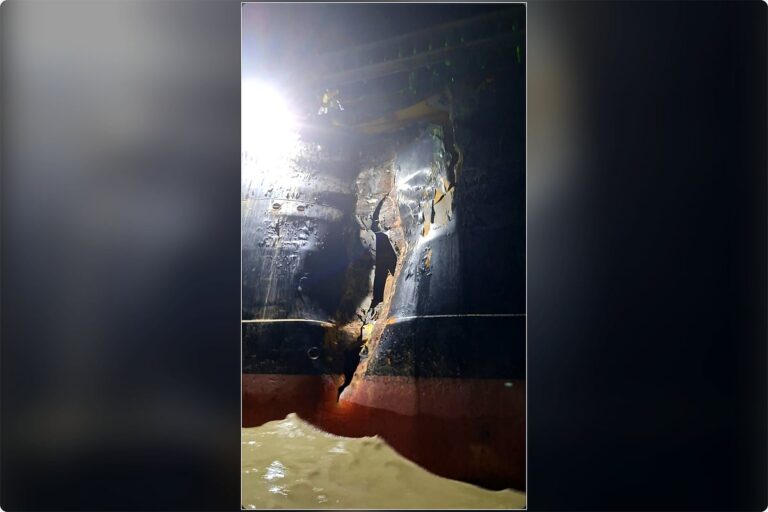
The reliance on imported Liquefied Natural Gas (LNG) presents significant operational risks, as demonstrated by technical disruptions at floating storage and regasification units. Experts suggest that maintaining a strategic reserve capable of providing at least seven days of supply could mitigate such vulnerabilities. Currently, Bangladesh sources 65 percent of its power generation fuel from imports, a figure projected to rise to 90 percent by 2030 if the current trajectory continues.
The heavy reliance on imports is a legacy of the 2010 and 2016 power sector master plans, which prioritized foreign procurement over domestic resource exploration. To reverse this trend, analysts urge the government to increase local gas exploration, explore domestic coal extraction, and aggressively expand renewable energy.
Significant barriers currently hinder the growth of solar power, specifically due to uncoordinated tax and value-added tax policies. Discrepancies between the National Board of Revenue and various ministries have stalled renewable energy projects. Resolving these regulatory hurdles is viewed as a critical step toward achieving stability in electricity production.
For the immediate future, the government must prioritize “firefighting” measures to ensure the consistent arrival of existing fuel supplies, including oil and LNG. Authorities are also tasked with ensuring a stable coal supply to keep coal-fired power plants running at full capacity and facilitating the commissioning of the first unit of the nuclear power plant within the next six to twelve months.
However, the consistent focus on short-term crisis management has led to the persistent neglect of long-term planning. Experts emphasize the need for a comprehensive, integrated roadmap that addresses energy efficiency, conservation, and demand-side management to secure the country’s energy future.
0%
0%
0%
0%