

From Porachar to Dhaner Shish: How a Tragedy-Struck Noakhali Settlement Transformed into a Prosperous Agricultural Village
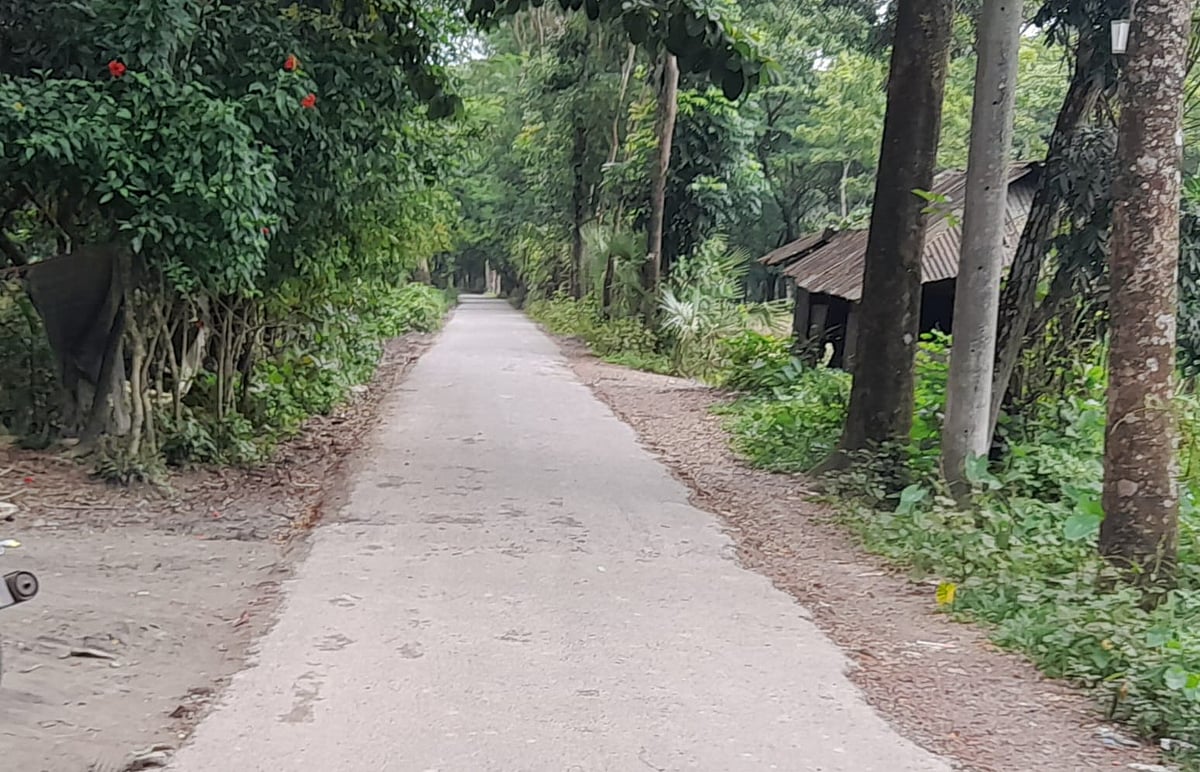
Photo Collected
Dhaner Shish, a village situated approximately 25 kilometers from Noakhali district town in Subarnachar Upazila, is currently a picturesque landscape defined by fertile farmlands and robust local enterprise. While the village presents an image of tranquility today, its history is marked by a violent struggle for survival that led to a significant administrative renaming in the late 1970s.
The area was once known as Porachar, a remote territory formed after the Meghna River shifted its course in the late 1970s. Following the destruction of the original Noakhali town due to river erosion in the 1950s, landless families from Hatiya, Sandwip, Ramgati, and Noakhali Sadar migrated to these newly emerged silt islands. Among them was 84-year-old Aman Ullah Majhi, who recalled settling on the land in 1977 alongside approximately 400 other families.
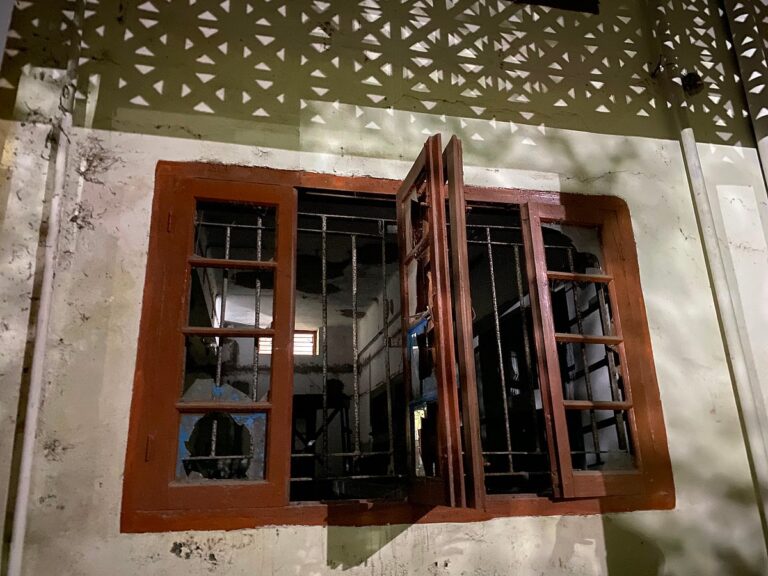
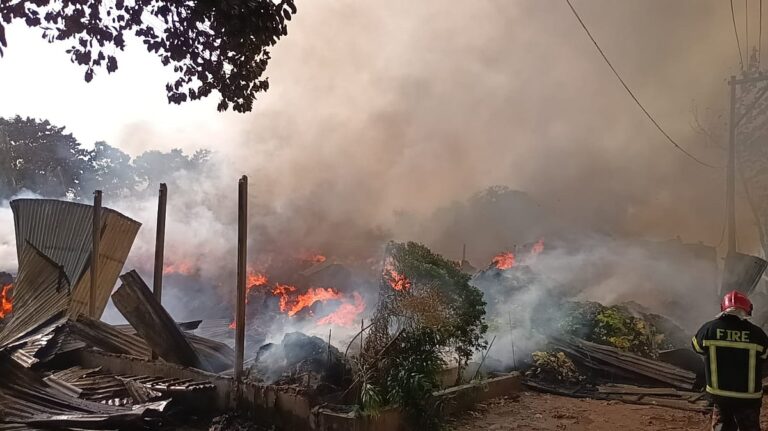
In mid-1978, the nascent community faced a brutal assault when intruders from the neighboring Charlakkhimi area attacked the settlement. The attackers burned homes, looted livestock and crops, and committed multiple homicides. The incident resulted in a landmark legal case in which 21 individuals were sentenced to life imprisonment.
Following the violence, then-President Ziaur Rahman visited the region to assess the situation. During this period, the district administration conducted a survey of the newly formed lands. To commemorate the recovery and agricultural potential of the area, the government renamed the Porachar mouza as Dhaner Shish, or “Paddy Sheaf.” Nearby areas were similarly designated with agricultural-themed names such as Char Baishakhi, Dhanshiri, and Dhanshalik.
Today, Dhaner Shish is home to approximately 35,000 residents, with a voter base of 3,200. The local economy is driven primarily by agriculture, complemented by remittances from residents working abroad and local entrepreneurship. Young residents have moved away from traditional job-seeking, instead establishing 12 fish farms and 8 poultry farms that supply products to the district town.
Educational infrastructure has significantly expanded since 1991, when the first private primary school—later nationalized as Mohammadpur Government Primary School—was established. The school currently serves 230 students, and many local youths now pursue higher education at various colleges and universities.
Despite this progress, local leaders have expressed concern regarding emerging social challenges. According to Union Parishad member Mohammad Sheikh Ripon, while the village has historically remained peaceful and largely free of violent crime, there is growing apprehension regarding the infiltration of the drug trade by individuals operating under political guises. Community members are now calling for decisive legal action to safeguard the village’s stable environment and protect its future.
0%
0%
0%
0%