New platform allows Bangladeshis to report bribery as experts question potential for long-term reform
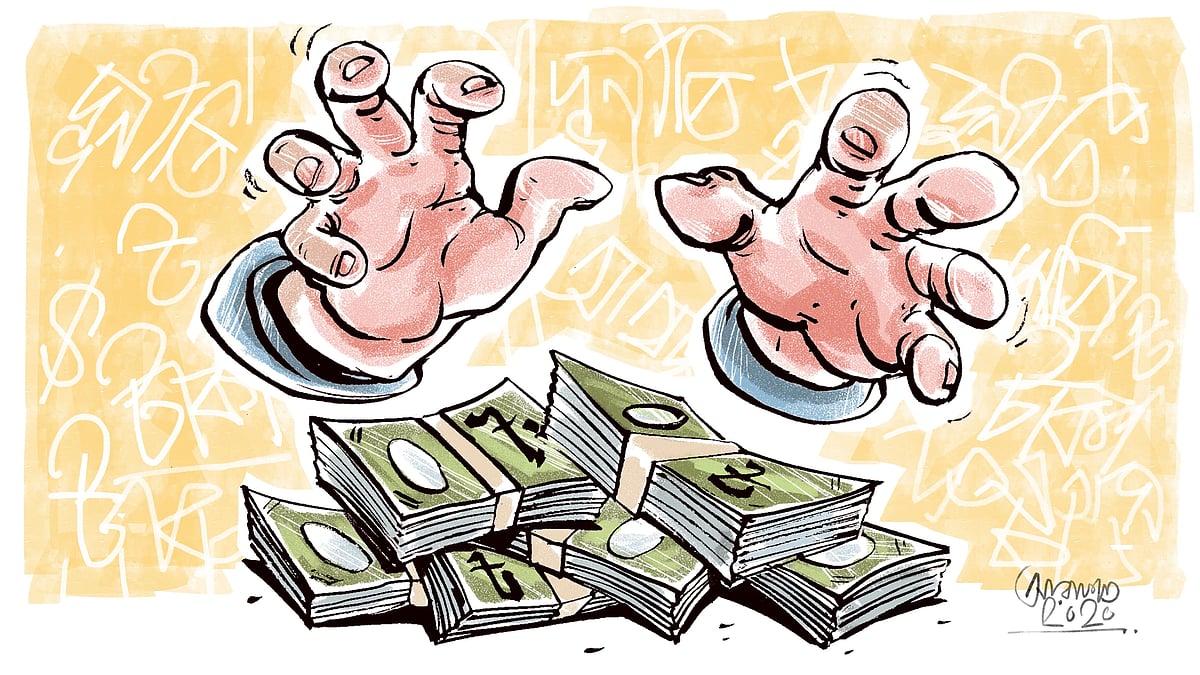
Photo Collected
A new digital platform in Bangladesh, “ghush.site,” has garnered significant public attention, recording over 3,800 complaints involving approximately 6.64 billion BDT in alleged bribe demands within its first five days of operation. Launched on August 21 by entrepreneurs Saif Kabir and Shahed Sharif, the website allows citizens to anonymously report bribery experiences, including the government department involved, the nature of the service, the location, and the amount demanded.
The initiative aims to provide transparency regarding corruption trends across various public service sectors. While users can submit detailed accounts of their experiences, they remain anonymous to ensure safety. However, the surge in reports highlights a broader systemic challenge: whether the collection of bribery data can effectively lead to institutional reform or if it risks becoming a repository of complaints without tangible policy impact.
The model is not unprecedented. It draws inspiration from India’s “I Paid A Bribe,” launched in 2010 by the Janaagraha Centre for Citizenship and Democracy. At its peak, that platform logged over 36,000 incidents and saw some localized administrative success. Similar initiatives have been attempted in Uganda, Kenya, Nigeria, and Sierra Leone, with varying degrees of sustainability and impact.
Experts point to the recent rise and sudden closure of the Indian platform “bribes.fyi” as a cautionary tale. Launched in July by an engineering student, the site faced a sudden influx of over 5 million requests within 48 hours in August, overwhelming its technological infrastructure and raising concerns over data security and the management of sensitive information. Analysts warn that for platforms like “ghush.site,” the challenge lies in scaling operations, verifying the authenticity of reports, and ensuring robust data protection as user traffic grows.
Transparency International Bangladesh (TIB) has acknowledged the platform as a positive step toward civic empowerment. TIB Executive Director Iftekharuzzaman emphasized that while providing a space for citizens to document corruption is vital, the initiative’s ultimate success depends on how the data is utilized. He noted that if the aggregated information is not analyzed and presented to relevant government authorities to spur accountability, it could eventually lead to public disillusionment.
According to TIB’s “Corruption in Service Sectors: National Household Survey 2025,” an estimated 12.63 billion BDT was paid in bribes across various sectors in Bangladesh between November 2024 and October 2025. With 81.5 percent of surveyed families believing that public services are inaccessible without bribes, the need for reform remains urgent.
The founders of “ghush.site” state that their primary objective extends beyond data collection. They aim to prepare citizens by providing prior knowledge of service costs, empowering them to reject unlawful demands. Moving forward, the developers plan to improve data quality, expand coverage across districts, and make the information accessible to journalists and researchers for independent analysis.
0%
0%
0%
0%
More News from Local