Bangladesh Prioritizes Diplomatic Efforts for Safe and Dignified Rohingya Repatriation During High-Level Coxs Bazar Dialogue
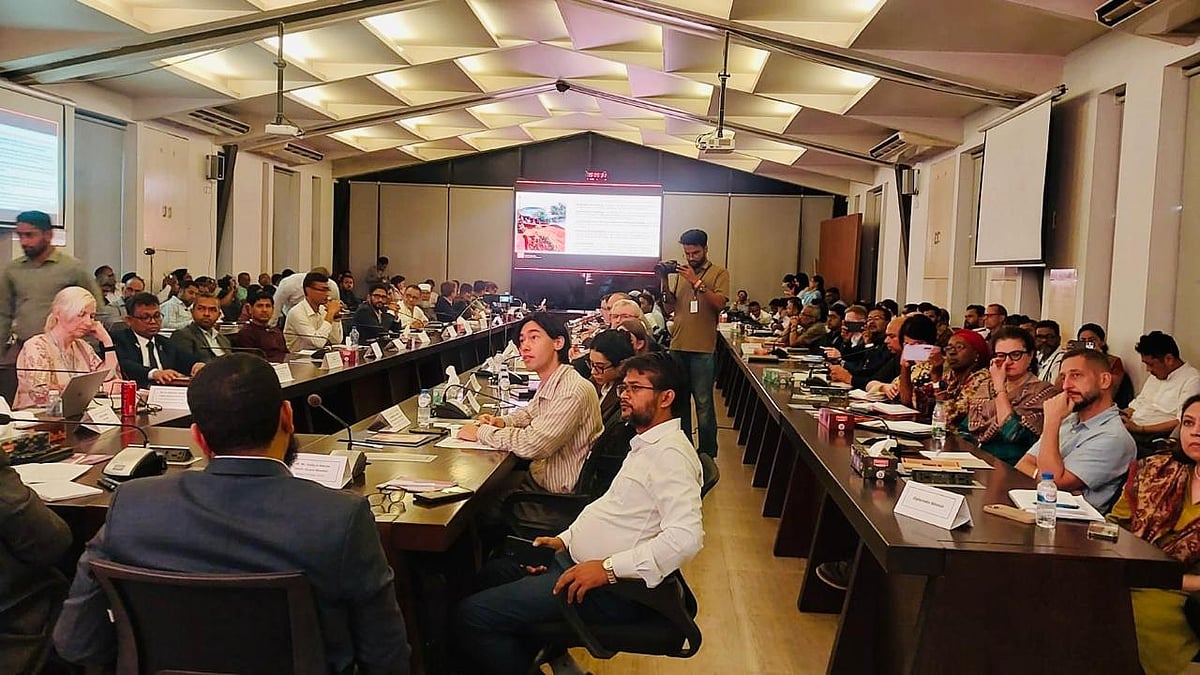
Photo Collected
Foreign Secretary Asad Alam Siam stated on Monday that Bangladesh remains committed to ongoing diplomatic efforts with Myanmar to resolve the Rohingya refugee crisis. Speaking at a high-level roundtable in Cox’s Bazar, Siam emphasized that the government’s primary objective is to establish conditions that would allow Rohingya refugees to return to their home country safely and with dignity.
The two-day roundtable, titled “The Rohingya Exodus: Challenges and the Future of this Protracted Crisis,” was organized by the Bangladesh government and the Norwegian Refugee Council (NRC). The event was held at the office of the Refugee Relief and Repatriation Commissioner (RRRC) to mark the ninth anniversary of the mass exodus of Rohingya fleeing genocide in Myanmar’s Rakhine state. The inaugural session was chaired by Refugee Relief and Repatriation Commissioner Mohammad Mizanur Rahman.
Experts and representatives from various national and international humanitarian organizations gathered to discuss the shifting needs of the refugee population as the crisis enters its tenth year. Discussions focused on the necessity of education, skill development, and livelihood opportunities for refugees, alongside the urgent need for long-term support to alleviate the socioeconomic strain on local host communities.
Deepankar Datta, Country Director for NRC Bangladesh, highlighted that the nature of the refugees’ needs has evolved over the past decade, necessitating multi-year funding and sustainable development initiatives. Addressing the technical complexities of the crisis, NRC expert Izzatullah Razi outlined challenges related to housing, land, and property, while Igor Ciobanu, Principal Coordinator of the Rohingya Coordination Platform, noted that the displaced population is currently facing increasingly complex, long-term hurdles.
International stakeholders, including Ellie Moody of the Foreign, Commonwealth and Development Office (FCDO), stressed the importance of preparing refugees for their future through education while waiting for favorable repatriation conditions. Alexander Falk Bilden, Deputy Head of Mission at the Norwegian Embassy, and Marchel Coloem, head of the UNHCR sub-office in Cox’s Bazar, both underscored the need to bolster the resilience of host communities while ensuring that refugees have the information and agency to make informed decisions regarding their eventual return.
Local academic and civil society representatives also contributed to the discourse. Professor Sazzad Siddique of the University of Dhaka’s Department of Peace and Conflict Studies argued for focusing on the current generation’s immediate educational and income-generating needs rather than waiting exclusively for a political breakthrough. Shafiqul Alam, editor of The Daily Wasda and former press secretary to the interim government, called for greater involvement from Muslim-majority nations to prevent the loss of a generation.
Other notable participants included representatives from The Daily Star, the non-governmental organization PULSE, Humanity and Inclusion, and Rohingya community leader Md. Shuaif. Following the conclusion of the first day’s discussions, Foreign Secretary Asad Alam Siam inaugurated a two-day art exhibition at the RRRC office. The exhibition features over 100 items, including drawings by Rohingya children, handwritten accounts of the genocide, and photographs documenting the violence that precipitated the mass migration.
0%
0%
0%
0%
More News from Local