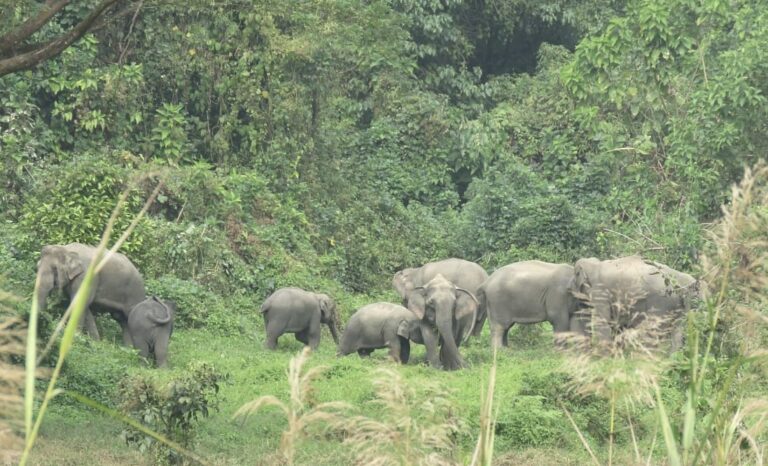
Persistent Wildlife Trafficking in Chittagong Challenges Legal System as Repeat Offenders Evade Prosecution
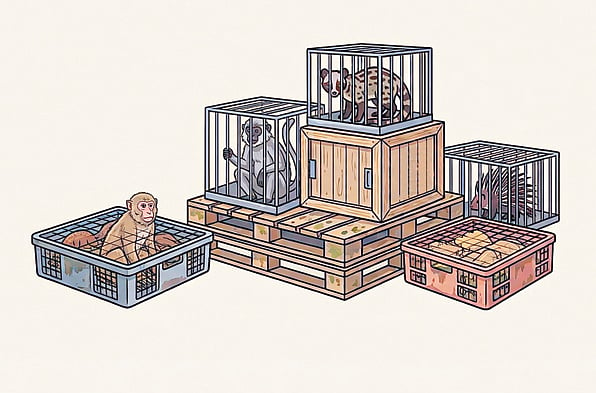
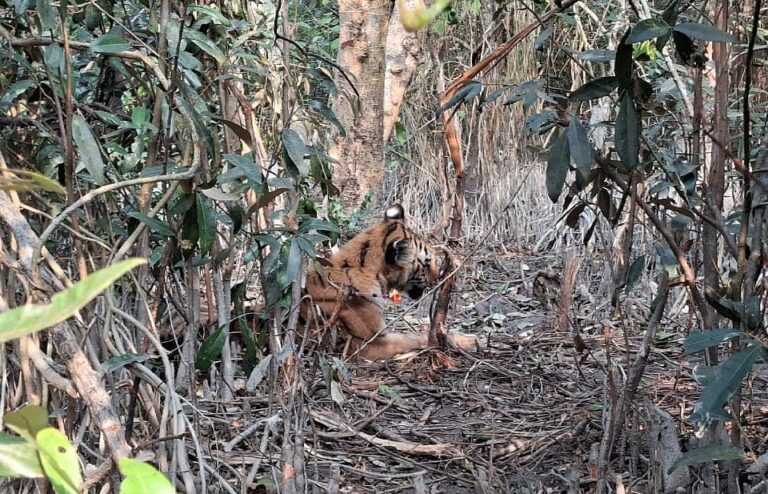
Photo Collected
CHITTAGONG, Bangladesh — Wildlife authorities in Bangladesh have recovered 3,650 animals across the Chittagong region over the past five years, underscoring a persistent and sophisticated poaching network that frequently evades legal repercussions. Despite 96 separate operations and the filing of 96 cases, only 30 suspects have been apprehended, with a mere two cases resulting in convictions.
Investigations by the Forest Department reveal a pattern of recidivism among traffickers. A prominent example is Emran Hossain, who managed to evade capture during three separate operations involving rare hoolock gibbons, hog badgers, and capped langurs between 2023 and 2025. He was finally arrested on February 6, 2025, in the Matuail area of Dhaka with 11 capped langurs in his possession. Officials note that traffickers often secure bail shortly after arrest, allowing them to resume illegal activities immediately.
Similar trends have emerged in Dhaka, where the Wildlife Crime Control Unit recovered 2,080 animals in the first six months of 2025 alone. Seized specimens include capped langurs, slow lorises, yellow mountain tortoises, civets, porcupines, and numerous birds. In some instances, traffickers like Hadisur Rahman—who had been arrested at least four times previously—continue to operate despite receiving brief custodial sentences.
Forest officials attribute the difficulty in curbing these crimes to lenient sentencing and the slow pace of the judicial process. Under existing legislation, most wildlife trafficking offenses carry a maximum sentence of three years, compared to seven years for the killing of larger animals like elephants or tigers. Abu Naser Md. Yasin Newaz, a divisional forest officer in Chittagong, stated that the current legal framework is insufficient to deter organized crime rings, particularly given the severe shortage of Forest Department personnel and resources.
According to intelligence reports, a structured supply chain links the Chittagong and Chittagong Hill Tracts forests to urban hubs. Local poachers capture wildlife, which is then moved to warehouses in Chittagong or Dhaka to await buyers. A portion of these animals is subsequently trafficked across the border into India and Myanmar.
International research, including studies published in the journal Oryx, indicates that the rarity of species—such as hoolock gibbons and hornbills—drives their value on the black market, where prices can range from 100,000 to over 1,000,000 BDT per animal. This high profit margin encourages continued poaching and sustains the organized networks involved.
Sheikh Faridul Islam, State Minister for Environment, Forest and Climate Change, acknowledged the severity of the crisis and emphasized that the government is committed to dismantling these networks. However, experts like Professor Md. Farid Ahsan of the Department of Zoology at the University of Chittagong argue that isolated raids are ineffective. He contends that authorities must target the entire infrastructure of the trade, including financiers and transporters, while simultaneously strengthening surveillance at border crossings and transit points.
0%
0%
0%
0%
More News from Science