
Dhaka North City Corporation hit by ghost contractor scandal in waste removal scheme
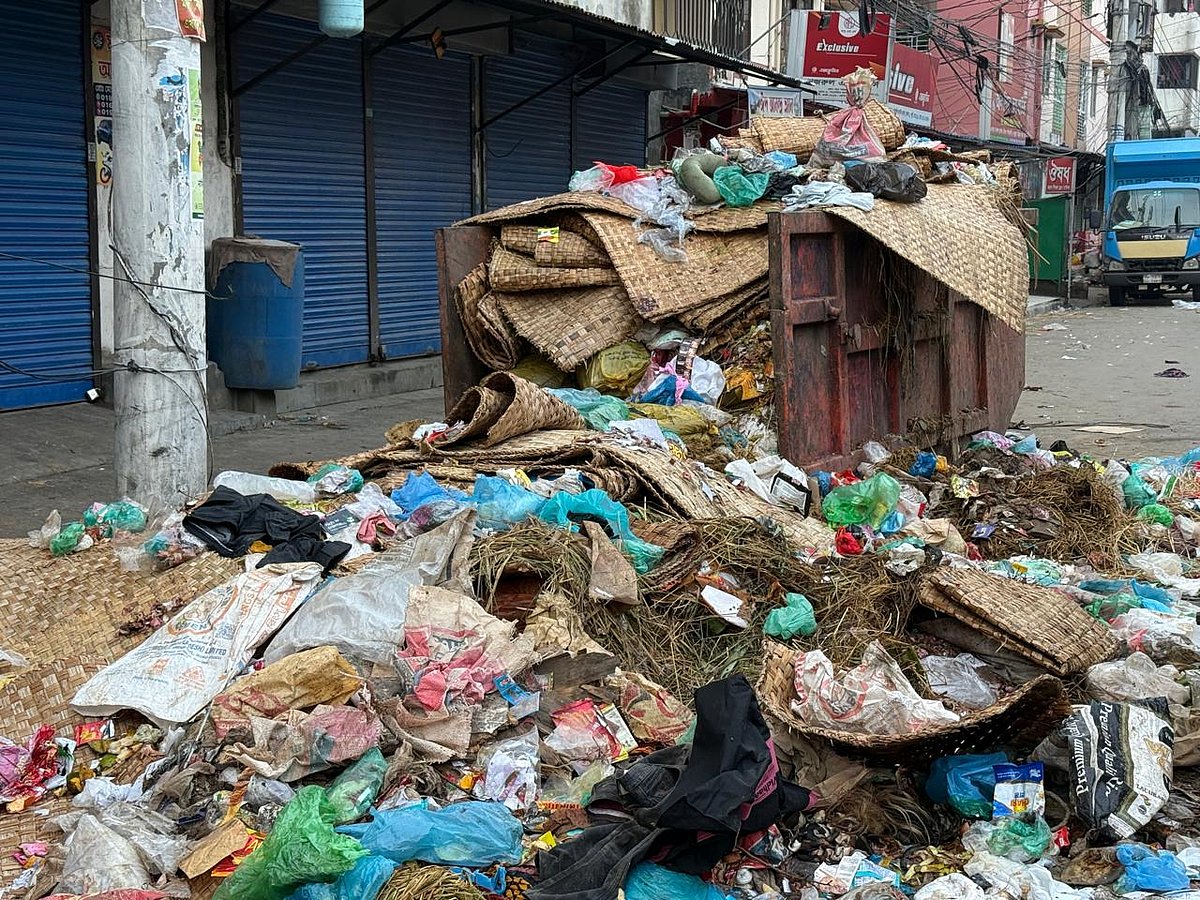
Photo Collected
The Dhaka North City Corporation’s (DNCC) ambitious plan to ensure a rapid, systematic cleanup of sacrificial animal waste during Eid-ul-Adha has been marred by systemic irregularities and phantom data. Despite allocating nearly 800 additional vehicles, including 275 rented pickups, to complement its own fleet, the capital city remained littered with waste well after the promised removal deadlines.
An investigation by the national daily *Prothom Alo* reveals that the official records maintained by the city corporation were riddled with falsified contact details for the rented pickup drivers. In an attempt to verify the deployment of 204 vehicles across four administrative zones, reporters contacted the numbers listed in the city’s own documents. The findings uncovered a disturbing reality: many numbers were disconnected, incorrect, or belonged to individuals entirely unaffiliated with transport services, including farmers and residents in remote districts like Cox’s Bazar and Netrokona.
বিজ্ঞাপন
The discrepancies suggest a significant breach of contract by third-party logistics providers. Contractors, such as Rimi Construction—which was awarded the tender for two zones—had reportedly committed to providing both the vehicles and the labor force. However, local waste collection operators, known as “van services,” reported that many of the promised pickups either failed to arrive or showed up without the required manual laborers, leaving the burden of cleanup to fall short of expectations.
DNCC Administrator Shফিকুল Islam Khan acknowledged the failures, confirming that no payments have yet been disbursed to contractors. He stated that the city corporation intends to audit the service delivery and will take punitive measures if it is determined that contractors failed to deploy the agreed-upon fleet or falsified their reporting.
বিজ্ঞাপন
According to *Prothom Alo*, the cleanup operation involved three separate packages totaling 13.1 million taka. While some zones saw functional deployment, others—particularly those managed by Rimi Construction—suffered from a total breakdown in operations. Field accounts from local waste management coordinators suggest that the reliance on contractors to provide “temporary staff” often leads to double-counting, where existing municipal workers or local van drivers are deceptively listed as new hires by contractors to siphon off public funds.
The failure to meet the 12-hour removal target set by the city corporation prompted a rare intervention. Following reports of debris clogging the streets the day after Eid, Prime Minister Tareque Rahman conducted a four-hour personal inspection, driving through various parts of the city to witness the mismanagement firsthand.
Urban planners attribute the recurring chaos to a persistent gap between high-level policy mandates and ground-level execution. Adil Mohammed Khan, a prominent urban planner, noted that even with strong political will and record budget allocations, the inability to police contractor performance and curb internal bureaucratic apathy continues to undermine public services. He emphasized that without rigorous oversight and accountability for local officials, the cycle of contract non-compliance will continue to blight the city’s sanitation efforts.
0%
0%
0%
0%