



Persistent Humidity and Lack of Sustained Rainfall Fuel Oppressive Heat Across Bangladesh
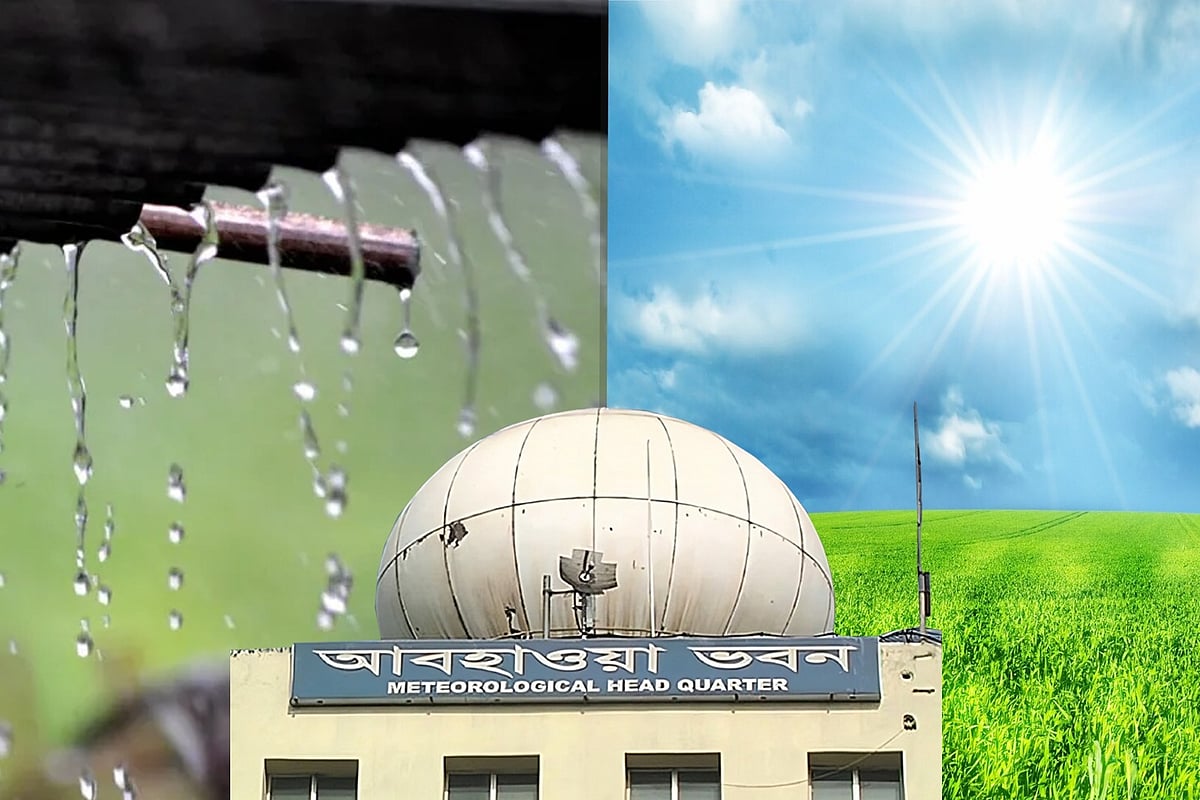
Photo Collected
Residents across Dhaka and throughout Bangladesh are enduring an oppressive heatwave characterized by persistent humidity, as sporadic rainfall fails to bring the anticipated relief. Despite intermittent showers and cloudy skies that have become a hallmark of the current weather pattern, the combination of high moisture levels and stagnant heat has left the public struggling with extreme discomfort.
Meteorologists attribute this phenomenon to several factors, noting that the cooling effect usually associated with rain is being negated by the release of latent heat from the earth. As sunlight hits the rain-soaked soil and concrete urban structures, the moisture evaporates rapidly, causing the heat to radiate back into the atmosphere. This cycle, compounded by the presence of significant water vapor in the air, prevents perspiration from evaporating efficiently, making the perceived temperature feel considerably higher than the actual recorded mercury levels.
বিজ্ঞাপন
According to senior meteorologist Muhammad Abul Kalam Mallik, the cloud cover currently settling over the region remains low to the ground and fails to deliver the sustained, heavy precipitation required to lower ambient temperatures effectively. Instead, the weather remains locked in a cycle of brief, scattered showers that contribute more to the stifling humidity than to cooling the environment.
The situation is further complicated by the delayed and sluggish arrival of the monsoon season. Although the monsoon winds have spread across the country, they have yet to reach full strength, resulting in a lack of consistent, widespread rainfall. Meteorologist Kazi Zebunnesa added that a persistent low-pressure trough near the Sundarbans in the southwestern region is drawing in substantial amounts of moist air from the Bay of Bengal, which keeps humidity levels elevated across the nation.
বিজ্ঞাপন
As long as the monsoon winds remain only partially active, experts warn that the current cycle of sunshine and brief showers will likely continue to generate a heavy, suffocating atmosphere. While some regions, such as Ishwardi, have recorded notable precipitation, the overall pattern suggests that long-term relief will remain elusive until a more sustained and heavy monsoon system establishes itself over the country. Meanwhile, the Department of Meteorology has cautioned that this year’s monsoon season may see lower-than-average rainfall, signaling a potential for continued warmer-than-normal conditions in the coming months.
0%
0%
0%
0%