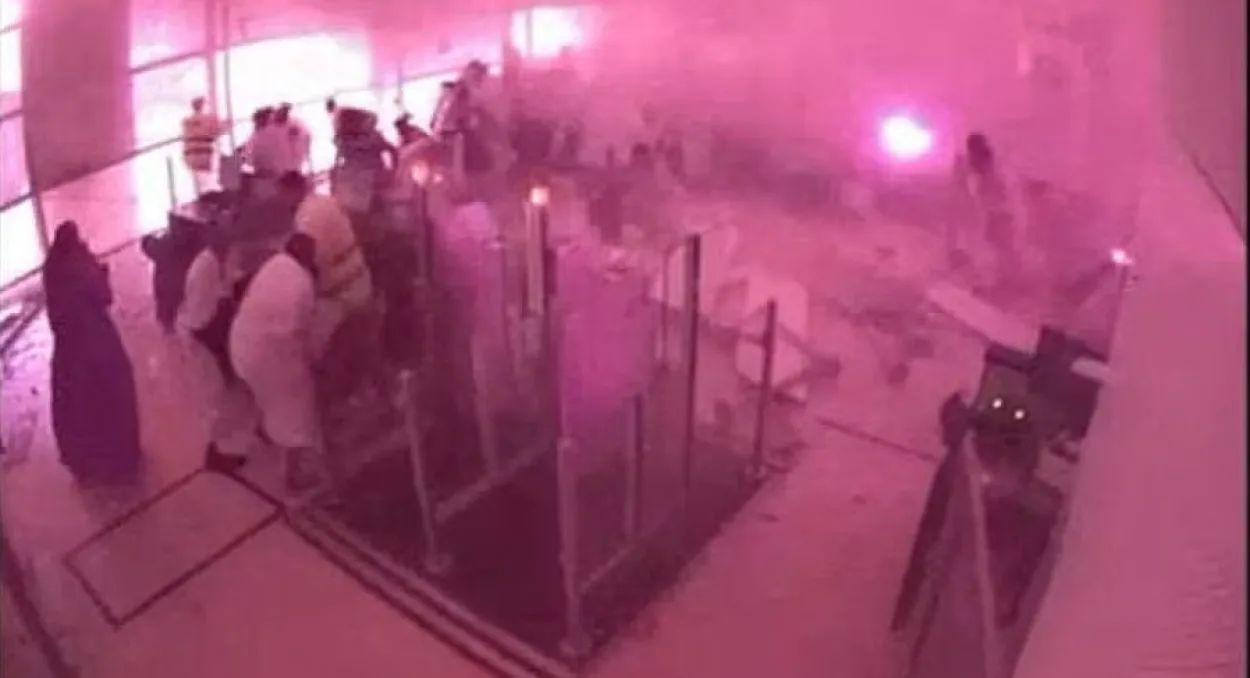
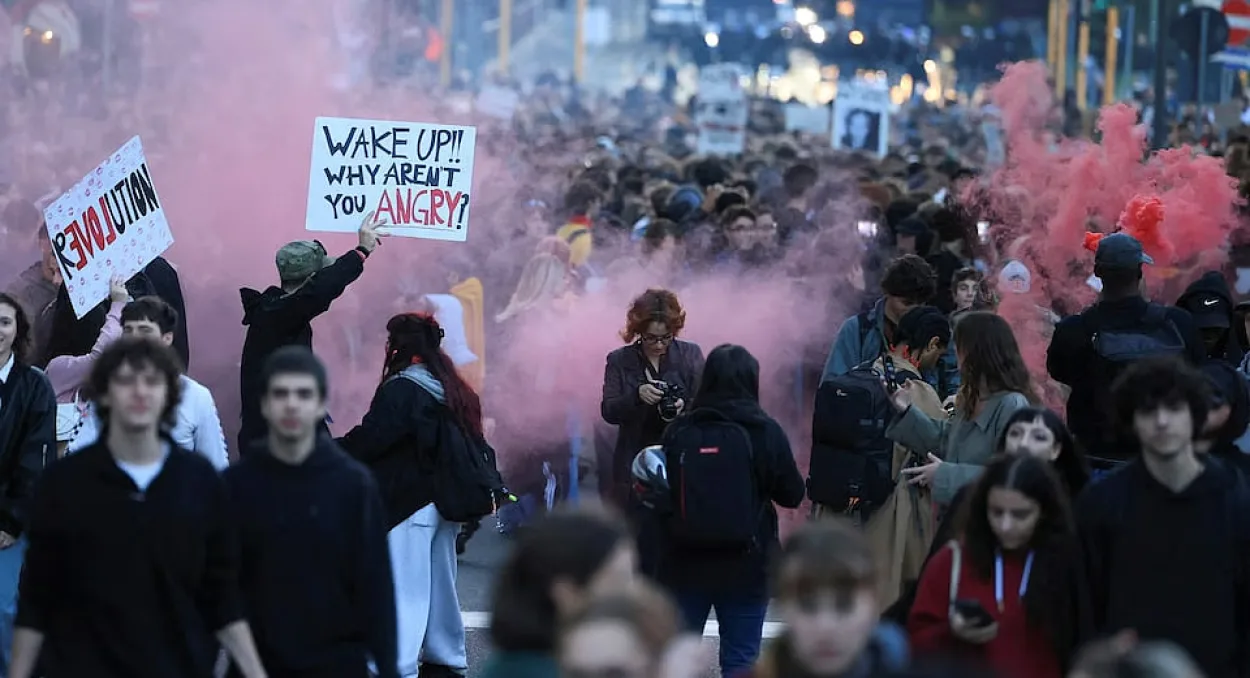
Thousands of youths, students, and citizens took to the streets across major cities in Italy, including Rome, Milan, Turin, Bologna, and Florence, on Saturday (Oct 24) to protest surging living costs, a severe housing shortage, failing educational systems, and various government policies. The demonstrations followed a wave of violent unrest on October 17, triggering renewed clashes with law enforcement personnel who deployed tear gas and water cannons, though large-scale looting was successfully avoided compared to the previous week's turmoil.
According to data released by Italy's Department of Public Safety, security forces verified the identities of 4,292 individuals nationwide in connection with the demonstrations and subsequent violence. Authorities took 371 people to police stations, formally arrested 9 individuals, and brought charges against 87 others. Among those detained at police stations were 110 minors and 69 foreign nationals. The unrest stems largely from deep-seated economic anxieties among Generation Z, who feel alienated from the financial security and social opportunities enjoyed by their parents' generation, compounded by skyrocketing prices for daily commodities, fuel, and soaring rental costs in metropolitan hubs like Milan, Rome, and Bologna.
The demonstrations were heavily catalyzed by social media campaigns under the banner of the October 17 Movement, which utilized platforms such as TikTok, Instagram, and online chat groups to mobilize participants while keeping last-minute assembly locations concealed to complicate police preparations. On Saturday, demonstrators breached historic landmarks in Rome such as the Colosseum and hurled bottles near the Quirinale presidential palace, prompting police water cannon deployments. In northern Turin, approximately 4,000 people protested against militarization, resulting in clashes, tear gas use, two arrests, and 25 charges. Bologna witnessed street blockades, garbage bin fires, and clashes that injured at least 19 protesters according to local emergency medical services, while Florence saw tensions near luxury shopping districts and Milan drew an estimated 10,000 marchers by evening.

Italian Prime Minister Giorgia Meloni emphasized the imperative of safeguarding citizen security following the October 24 demonstrations, commending law enforcement personnel while asserting that the right to peaceful assembly must be balanced with the public's right to live safely. Interior Minister Matteo Piantedosi declared that strict measures would be enforced against individuals engaging in violent acts, noting that security forces had been reinforced with preemptive citywide searches, monitoring, and military deployment in central Milan. Meanwhile, labor unions, particularly within the transportation sector, have also joined the broader economic protests as international fuel supply pressures from Middle Eastern conflicts drive up transport costs and disrupt food supply chains.
Milanese police have detained 30-year-old Yousef Siher, a Moroccan-born Italian researcher and journalist linked to the digital outreach of the October 17 Movement, holding him at San Vittore prison on allegations of inciting criminal acts and terrorism-related offenses. His detention was upheld by a judge on October 26, while parallel investigations target his 32-year-old Lebanese-born wife, Sazia Hammoud. The decentralized movement, which rejects traditional political parties and labor union leadership in favor of grassroots mobilization, continues to reflect broader European youth discontent regarding precarious career markets and the uncertain impacts of artificial intelligence on entry-level employment.