St. Martin’s Island, Bangladesh’s only coral-bearing island, is witnessing a profound ecological resurgence following strict government regulations that have curtailed tourism and commercial activity over the past two and a half years. While the environment has thrived, the island’s 10,700 residents are facing a severe humanitarian and economic crisis, with no viable alternative income to replace their lost livelihoods.
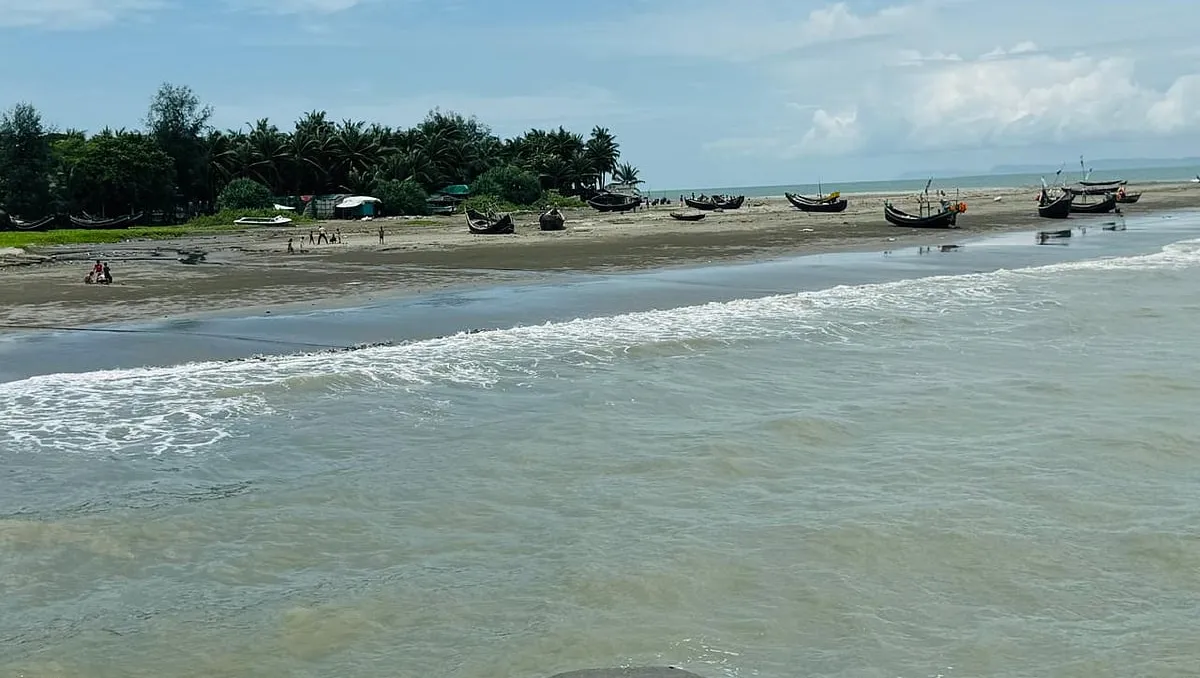
The island, designated an Environmentally Critical Area (ECA) in 1999, has seen a visible return of biodiversity. Beaches once crowded with tourists are now occupied by flocks of seagulls, red crabs, and various shellfish. Conservationists report that sea turtle nesting habitats have recovered, with over 10,000 hatchlings successfully released into the sea over the last two years. Vegetation, including pandanus groves, is flourishing, and the noise pollution that once drove away native fauna has been replaced by the natural sounds of the ecosystem.
However, this ecological victory has come at a steep social cost. With the suspension of mass tourism, which previously attracted up to 1.5 million visitors during peak seasons, more than 5,000 residents—including fishermen, small business owners, and transport operators—have been pushed into unemployment. Local officials report that approximately 3,000 jobs in the hospitality sector have vanished as resorts and hotels remain closed for most of the year.
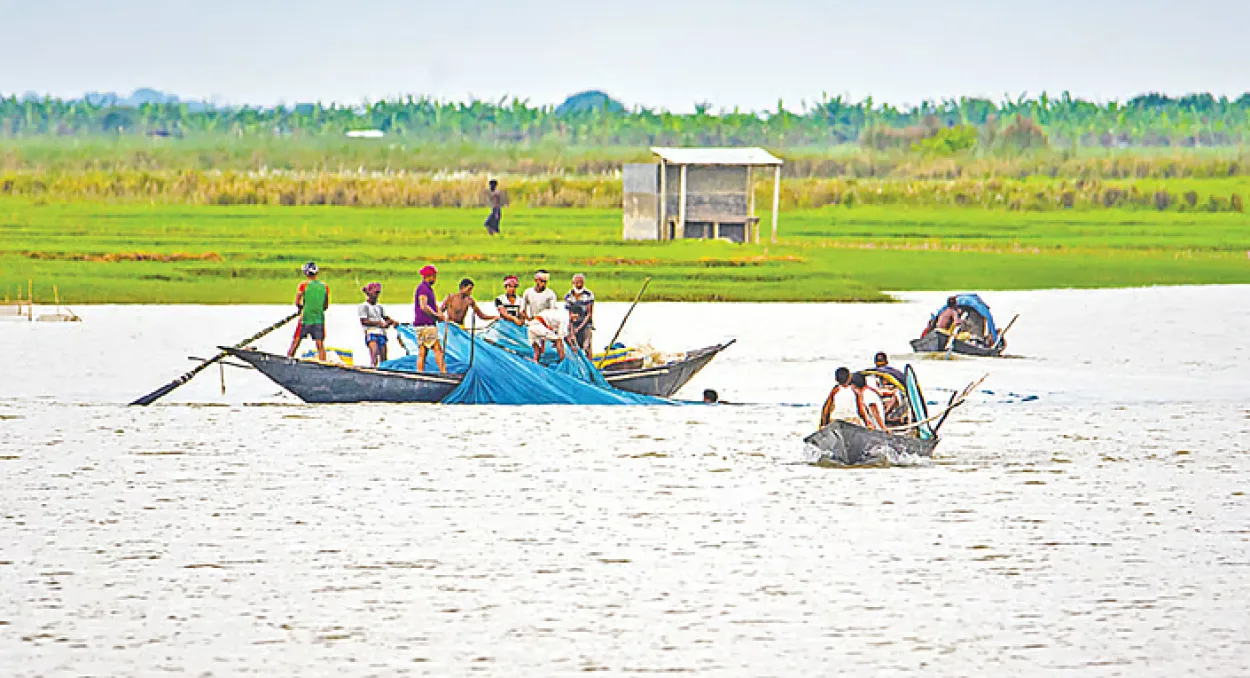
"We are children of this island, and we do not want to see it destroyed," said Abdul Shukkur, a 54-year-old fisherman who has worked the waters for decades. "But there is no food on the table. We cannot catch enough fish to feed our families, and with no tourism, there is no secondary income to rely on. The math of our daily survival no longer adds up."
Government regulations, updated in August 2024, restrict tourist traffic to a quota of 2,000 visitors per day via online registration between December and January. However, nighttime stays are strictly limited, further dampening the economic circulation that local families depend on. Acting Union Parishad Chairman Fayezul Islam has urged the government to extend the duration of permitted overnight stays to four months, from November to February, to allow for some economic stability.

Environmental officials contend that large-scale infrastructure projects, including waste management, water purification, and reforestation initiatives worth hundreds of millions of taka, are underway to assist the islanders. "We are working on projects to provide sustainable development, and we expect the situation for residents to improve once these are operational by November," said Mohammad Jamir Uddin, Director of the Department of Environment for the Chattogram region.
Despite these efforts, the island faces an existential threat from climate change. Rising sea levels in the Bay of Bengal are accelerating coastal erosion, causing the loss of sand dunes and the collapse of coconut groves. Furthermore, saltwater intrusion into the island’s freshwater aquifers has created a critical drinking water shortage, compounding the hardships faced by the local population.
As the government balances the urgent need for environmental conservation with the socioeconomic realities of the islanders, the future of St. Martin remains at a precarious crossroads. While the ecosystem shows signs of newfound life, the human inhabitants remain in a state of deepening distress, waiting for a sustainable development model that preserves both the land and its people.