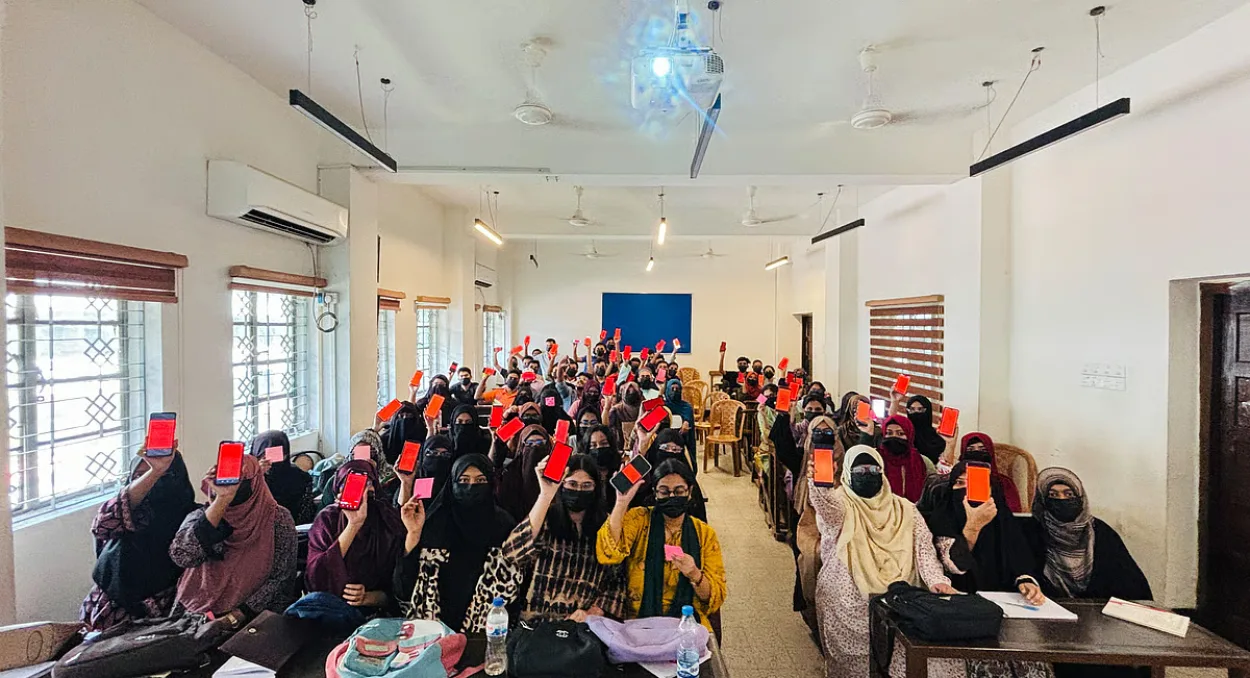
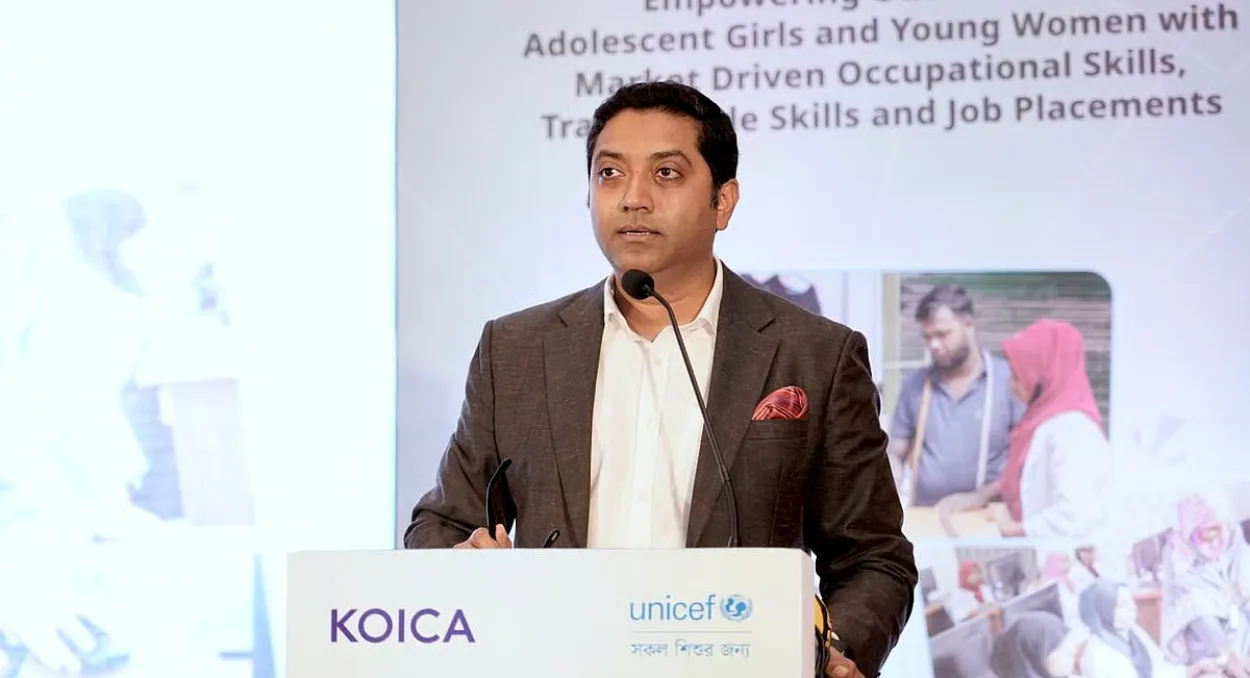
State Minister for Primary and Mass Education Bobby Hajjaj on Monday (time not specified) criticized major political parties for debating the reduction of the legal marriage age for girls, describing the discourse as anachronistic in an era dominated by artificial intelligence and robotics. Speaking as the chief guest at the concluding ceremony of the Her Skills, Her Future project at a hotel in Dhaka's Banani area, the state minister expressed grave concern that political leaders continue to argue over lowering the age of marriage while the global landscape rapidly advances through technological innovation.
Emphasizing that legal enforcement alone cannot eradicate child marriage, Hajjaj asserted that sustainable progress stems from genuine female empowerment and economic independence. He noted that the upward trend in the average age of marriage for women since the 1970s and 1980s is primarily a byproduct of expanded economic capability rather than mere legal coercion. Through enhanced economic and personal competence, society has evolved to a juncture where women can independently decide to defer early marriage, underscoring the critical necessity of comprehensive empowerment and unhindered access to accurate information.
The state minister further highlighted the imperative of generating employment opportunities, fostering communication skills, and engaging families to support underprivileged and rural women who remain outside formal educational frameworks. Such holistic support enables marginalized women to take a firm stand regarding their own futures. The Her Skills, Her Future initiative was jointly implemented by the Korea International Cooperation Agency and UNICEF in collaboration with the Bureau of Non-Formal Education.
UNICEF Bangladesh Acting Representative Jillian Malespina stated that the collaborative venture has paved the way for a brighter future for 17,000 adolescent girls, equipping them through targeted skills training to engage more effectively with employers, communities, and public institutions. Echoing this sentiment, KOICA Bangladesh Country Director Jihun Kim remarked that the project reflects the South Korean government's steadfast commitment to investing in the potential and capabilities of young women to foster inclusive economic growth, adding that tangible benefits will materialize through actual employment and entrepreneurship.
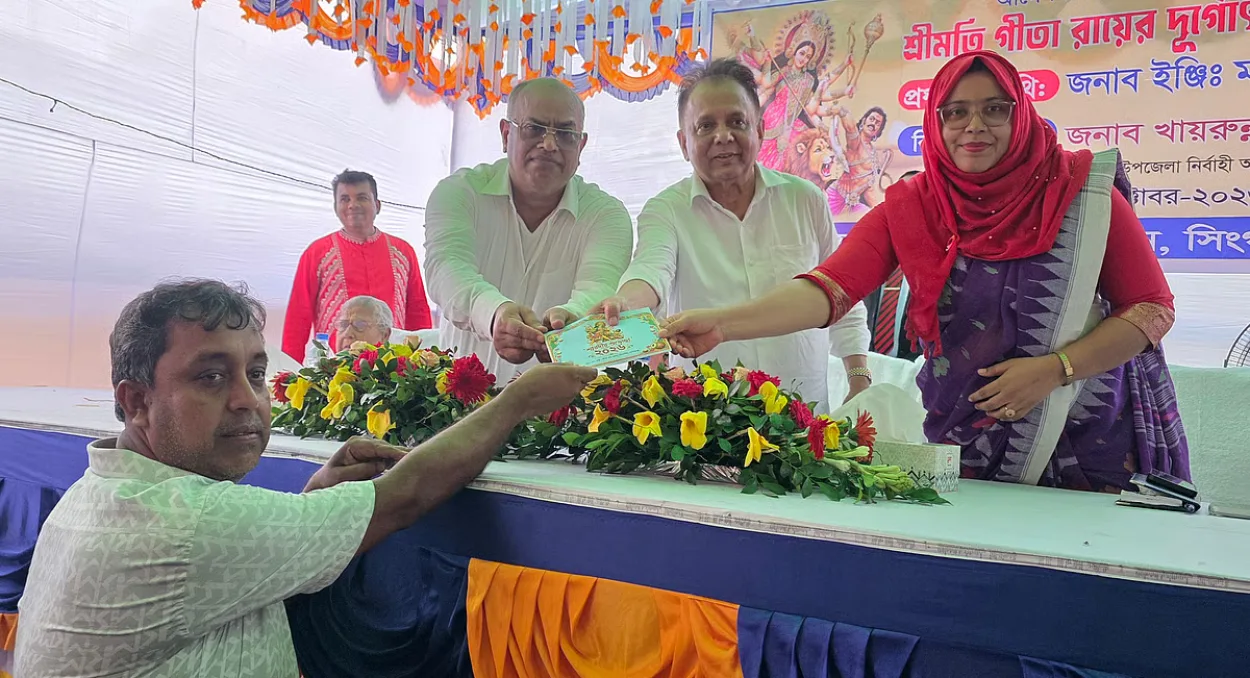
The event, presided over by UNICEF Bangladesh Education Chief Deepa Sankar, was attended by senior officials from the Ministry of Primary and Mass Education, the Bureau of Non-Formal Education, and various domestic and international development agencies. As part of the concluding programme, State Minister Hajjaj symbolically handed over crests of recognition to two master trainers out of a total of 42 who received specialized training under the project, with organizers confirming that certificates and crests will subsequently be delivered to the remaining forty trainers.