

National Museum exhibition highlights works of modernist pioneer Novera Ahmed
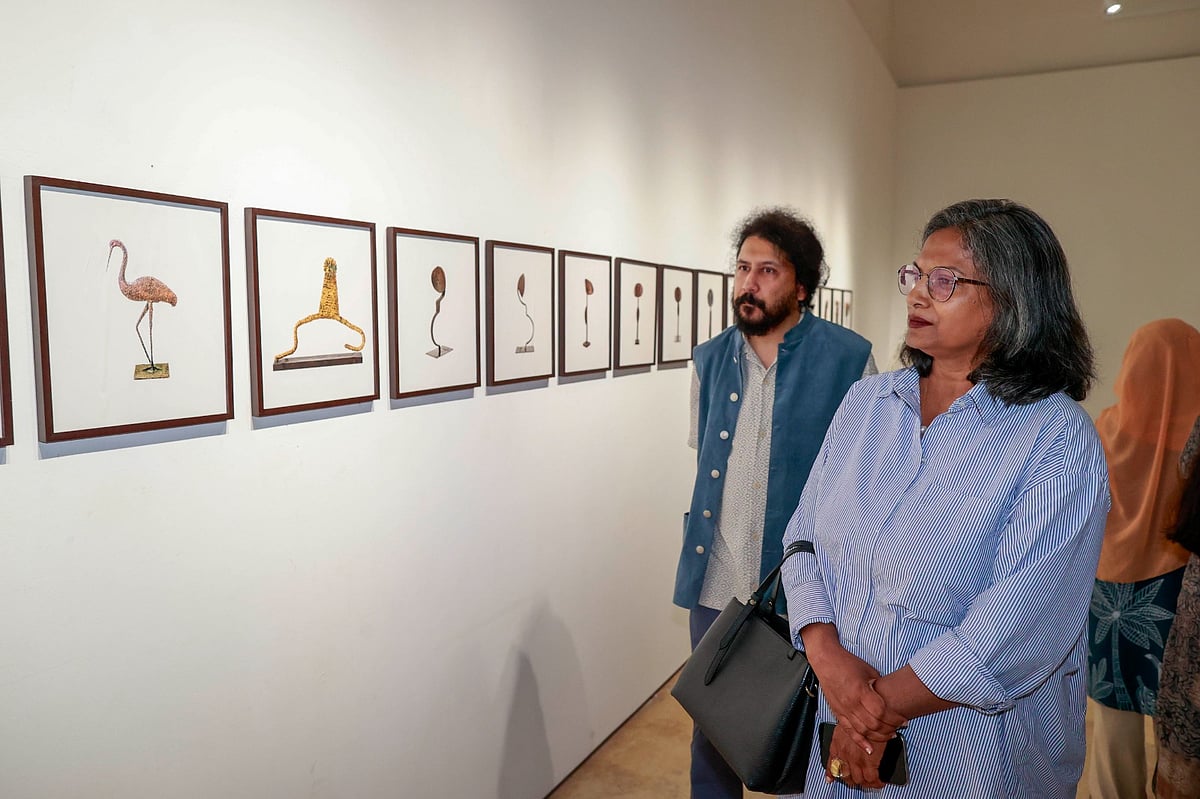
Photo Collected
The Bangladesh National Museum is currently hosting a comprehensive exhibition dedicated to the pioneering modern sculptor Novera Ahmed, offering an immersive look into the life and creative legacy of one of the nation’s most celebrated artists. Running through July 21, the showcase features a curated collection from the museum’s archives, highlighting Ahmed’s profound influence on contemporary sculpture. The exhibition is open to the public daily from 10:30 a.m. to 4:30 p.m.
The display, situated in the Nalini Kanta Bhattasali Gallery, centers on the theme of familial bonds, a hallmark of Ahmed’s body of work. Visitors are greeted at the entrance by a striking sculpture depicting a mother and her two children, a piece that has drawn significant attention for its evocative representation of human connection. Ahmed, who studied at London’s Camberwell School of Arts and Crafts, is credited with introducing modern sculpture to Bangladesh in the 1950s. Her work often utilized locally sourced materials such as cement, sand, and bronze to explore themes of motherhood, love, and responsibility.
বিজ্ঞাপন
The exhibition comprises 29 sculptures, 11 paintings, and 43 photographs, alongside a collection of the artist’s personal garments and belongings. The paintings, characterized by their vibrant palettes, reflect the same focus on domestic intimacy and observational sketches of nature—ranging from coastal scenes to avian motifs—that defined her sculptural practice. To provide historical context, a wall-length timeline documents Ahmed’s career, which included her contributions to the design of the Central Shaheed Minar and her eventual move to France, where she passed away in 2015.
Scholars and visitors alike have praised the exhibition for its ability to bridge the gap between the artist’s complex history and the public. During a recent “Gallery Walk” event, author and researcher Shikoya Nazneen, whose 2021 book *Novera: Shilper Rohosyo Manobi* explores the artist’s life, noted that Ahmed’s work remains deeply spiritual and evocative. According to Nazneen, the sculptures possess a unique quality that makes them feel as though they are interacting with the observer, creating a meditative environment within the gallery.
বিজ্ঞাপন
The exhibition, which held no formal opening, serves as a rare opportunity to view a concentrated body of Ahmed’s work in one location. Supported by the Ministry of Cultural Affairs and the museum’s administration, the retrospective invites both art enthusiasts and the general public to rediscover a formative figure in the South Asian art landscape. For many attendees, the combination of raw, expressive form and detailed biographical insight provides a poignant and lasting connection to Ahmed’s enduring artistic vision.
0%
0%
0%
0%