

Beyond Timber: Bangladesh Faces Critical Choice Between Tree Farms and Restoring Ecosystems

Photo Collected
Bangladesh faces a critical environmental crossroads as it embarks on an ambitious campaign to plant 250 million trees. While government initiatives frequently emphasize afforestation and biodiversity, a widening gap remains between official rhetoric and the reality on the ground. For decades, the nation’s natural forests have suffered from fragmentation, illegal encroachment, and the systematic replacement of diverse ecosystems with single-species timber plantations.
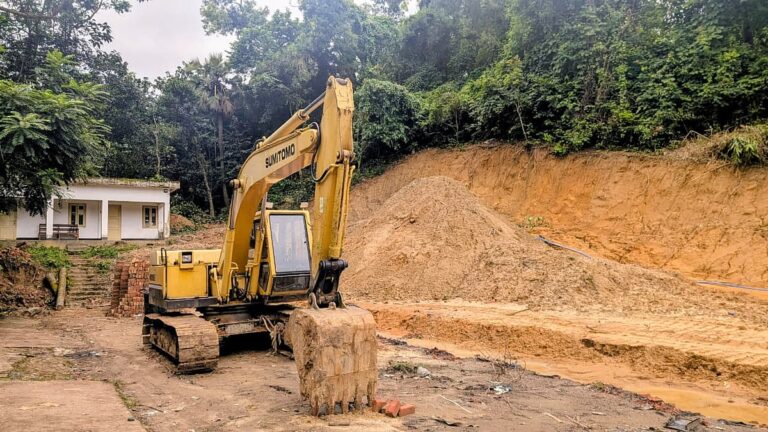
The core challenge lies in the distinction between “creating a forest” and merely “planting trees.” Historically, Bangladesh’s forest management has focused on timber production, social forestry metrics, and the number of saplings planted, often conflating legal forest land with actual, thriving forest ecosystems. Between 2001 and 2023, the country lost approximately 246,000 hectares of tree cover, representing a 13 percent net decline. Iconic sites such as the Teknaf Wildlife Sanctuary have seen their forest cover plummet by 64 percent between 1989 and 2015, while the Chunati Wildlife Sanctuary continues to struggle against illegal logging and infrastructure development.
বিজ্ঞাপন
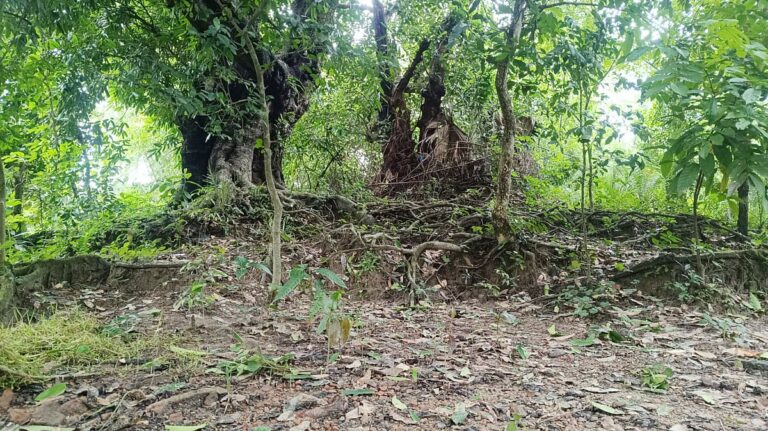
The conversion of native landscapes has had profound ecological consequences. The once-thriving Sal forests of Madhupur, historically home to a diverse array of flora and fauna, have been heavily degraded by the expansion of pineapple, banana, rubber, and invasive eucalyptus plantations. This shift has not only displaced indigenous wildlife but has also disrupted the complex food webs, soil microbiomes, and water-retention capabilities that characterize a functioning ecosystem. As experts point out, monoculture plantations of acacia or eucalyptus fail to provide the food sources or multi-layered habitats necessary for native bird, insect, and mammal populations to thrive.
Addressing the current crisis requires a paradigm shift in how the nation approaches ecological restoration. Government data indicates that over 237,000 hectares of forest land remain under illegal occupation, and systemic pressures—ranging from commercial agriculture and infrastructure projects to the displacement of communities—continue to threaten remaining reserves.
বিজ্ঞাপন
The current 250-million-tree campaign represents a pivotal opportunity to prioritize genuine ecological revival. To be effective, at least 80 to 90 percent of the saplings planted must be native species tailored to specific regional ecosystems, such as the Sundarbans’ mangroves, the wetlands of the interior, or the deciduous Sal tracts. The focus must extend beyond timber to include fruit-bearing trees, medicinal plants, bamboo, and shrubs that support local pollinators and wildlife.
Ultimately, the goal of this national effort should be the restoration of complex, multi-layered habitats capable of supporting native species like the hornbill, the hoolock gibbon, and countless other organisms that have been pushed to the brink. If the state chooses the path of biodiversity-centric, science-based reforestation over the convenience of non-native timber plantations, it will secure a resilient environmental legacy. The choice between creating vast, sterile timber farms and fostering living, breathing forests will fundamentally define the ecological future of Bangladesh for generations to come.
0%
0%
0%
0%