Experts Call for Strategic Reforms and Task Force to Address Bangladesh Energy Sector Crisis
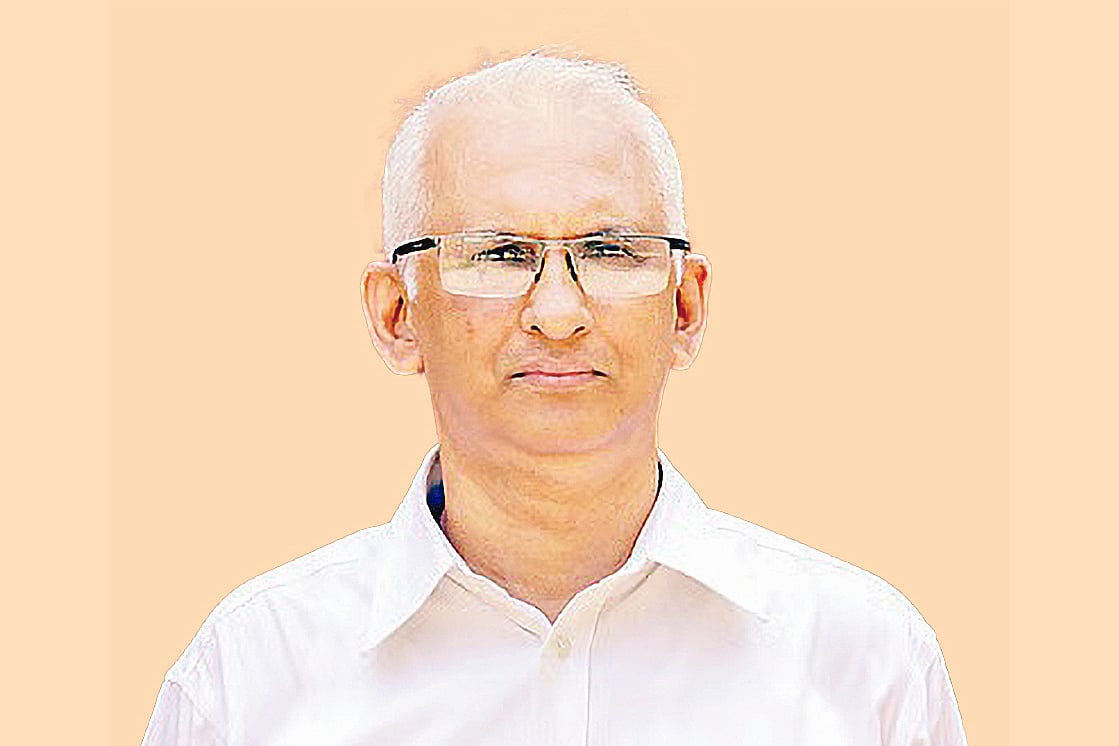
Photo Collected
Bangladesh’s energy sector faces mounting pressure as liquefied natural gas (LNG) imports, which now account for 35 to 40 percent of the national gas supply, remain vulnerable to global supply chain disruptions. While experts acknowledge that total independence from energy imports is not feasible in the current climate, they argue that strategic planning and improved efficiency are essential to mitigate the ongoing crisis.
The current gas shortage has severely impacted electricity generation, exacerbating long-standing deficiencies in the power sector. To stabilize the situation, experts recommend a four-pronged strategy. First, the government must prioritize the consistent import of primary fuels, specifically coal and furnace oil, as infrastructure limitations at LNG terminals prevent immediate increases in supply.
Second, the government should implement strict demand-side management. Priority for electricity access must be granted to essential sectors such as manufacturing, irrigation, and cold storage, while usage for non-essential purposes—such as excessive air conditioning and the charging of battery-operated rickshaws—must be restricted. Third, enhancing energy efficiency in the transport and industrial sectors is critical. Finally, the government must aggressively address system losses and wastage across the entire electricity generation, transmission, and distribution chain.
According to Abdul Hasib Chowdhury, former Pro-Vice Chancellor of the Bangladesh University of Engineering and Technology (BUET), the core of energy management should focus on four pillars: agriculture, education, energy, and logistics. He identifies corruption, administrative inefficiency, and a lack of coherent policy as the primary obstacles to progress. Addressing the legacy of the previous Awami League administration, Chowdhury emphasized the need to scrutinize and potentially revise power sector contracts that enabled specific interest groups to amass disproportionate wealth.
Energy efficiency also requires a fundamental shift in infrastructure and urban planning. Air conditioning currently accounts for roughly 6,000 megawatts of peak electricity demand during summer months. This reliance could be reduced through better architectural designs and building materials that regulate temperature naturally. Furthermore, the integration of urban wind corridors, particularly in Dhaka, could mitigate the “heat island” effect, thereby lowering cooling requirements.
The proliferation of battery-operated rickshaws, while essential for public mobility, has created a significant energy drain. These vehicles require approximately 700 megawatts of power for nighttime charging. Given that the total efficiency of the system—from fuel-based power generation to final motive power in the rickshaws—is less than 15 percent, the current model is highly unsustainable.
To resolve these systemic issues, experts advocate for moving away from bureaucratic control. The government is urged to establish an independent task force comprised of experienced professionals and sector experts to formulate and execute a phased, evidence-based energy strategy.
0%
0%
0%
0%