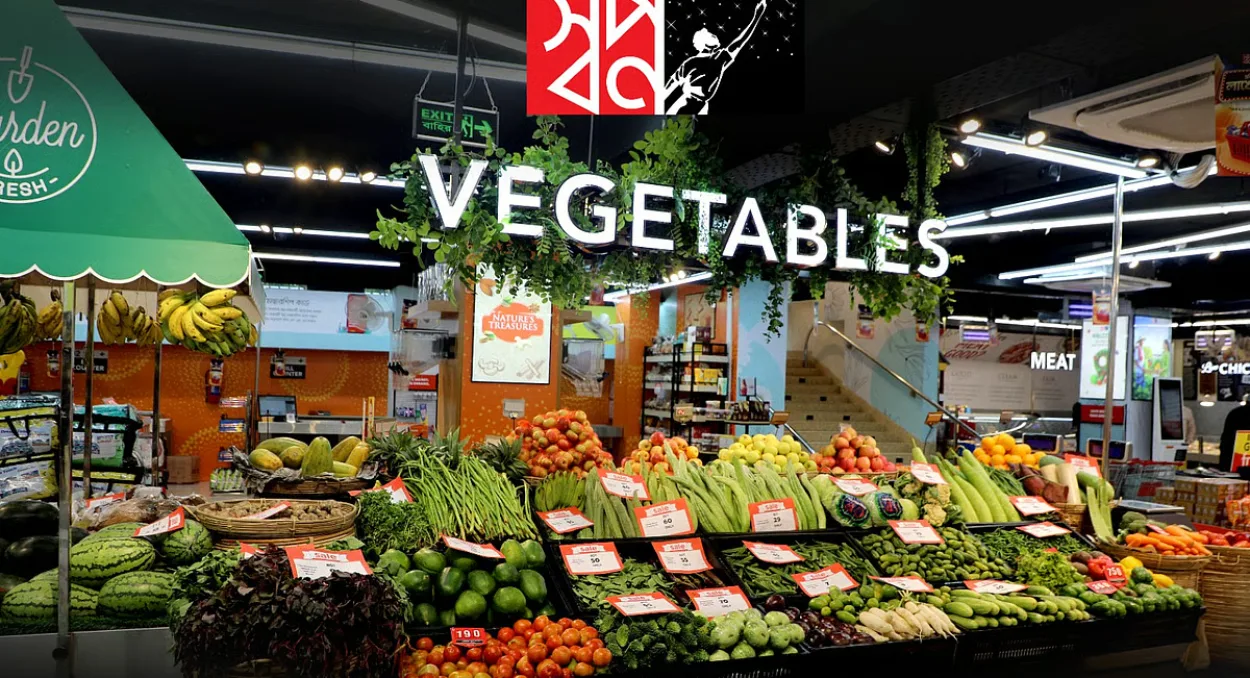
A decade ago, neighborhood kitchen markets served as the primary destination for households in Bangladesh to procure daily essentials, including fish, meat, vegetables, spices, and groceries. However, evolving socioeconomic dynamics have steadily transformed these shopping habits, elevating retail superstores into the preferred choice for urban consumers seeking convenience, fixed pricing, and quality assurance under a single roof.
Urban lifestyles and a growing emphasis on food safety have driven this shift, as increasingly health-conscious consumers seek organized and hassle-free shopping environments. The recent withdrawal of the 5 percent value-added tax on essential products has further accelerated this transition, drawing more buyers toward superstores and reshaping the purchasing patterns of middle-class families. This convergence of factors has led busy urbanites to embrace retail chains as a practical solution, particularly as changing family dynamics leave household members with limited time for daily errands. Furthermore, the integration of digital payment methods, loyalty programs, and promotional offers has bolstered the popularity of modern retail chains.
At the forefront of this retail evolution is Shwapno, the country's largest retail chain, which currently operates across all 64 districts of Bangladesh. Expanding modern retail services from urban centers down to upazila and union levels, the organization aims to establish a transparent and efficient supply chain connecting farmers, suppliers, and consumers. Traditionally, the domestic grocery market relied on multiple intermediaries, often depriving farmers of fair prices while forcing consumers to pay higher costs for goods, in addition to complicating quality control and increasing post-harvest waste.
To address these systemic inefficiencies, Shwapno has instituted a direct sourcing framework, deploying specialized field teams to procure fruits, vegetables, and other agricultural commodities directly from growers. This initiative ensures continuous supply and rigorous quality oversight at the production level, granting farmers a reliable market while delivering fresher, safer, and higher-quality produce to consumers.

Significantly, Japan's prominent investment enterprise Mitsui and Company Limited has entered into a strategic investment partnership with Shwapno. Demonstrating confidence in Bangladesh's consumer market and modern retail potential, Mitsui's commitment underscores Shwapno's operational capacity, corporate governance, and long-term growth prospects.
Driven by rapid urbanization, demanding schedules, and the demand for safe food, shopping behaviors across Bangladesh continue to evolve. While some households maintain traditional monthly bulk-buying habits, others increasingly favor frequent, smaller purchases near their residences without incurring unreasonable price premiums. Concurrently, shifting digital habits empower consumers to compare prices and promotions effortlessly, cementing the growing relevance of modern retail and e-commerce channels. Through these multifaceted changes, Shwapno remains a primary catalyst in redefining the consumer shopping culture within urban and metropolitan areas.