Rights groups and legal experts raise concerns over proposed anti-disappearance bills lacking independent oversight
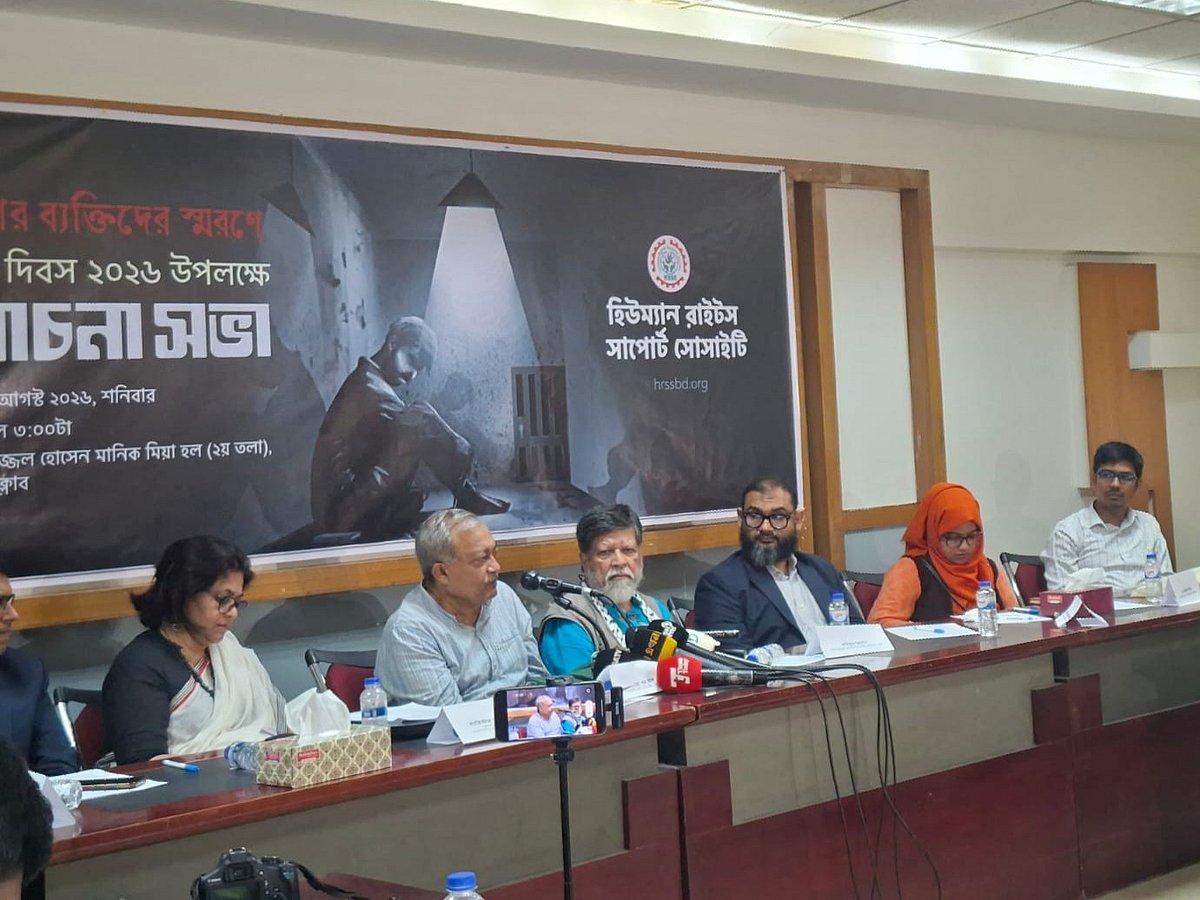
Photo Collected
Human rights activists, legal experts, and former members of investigation commissions have raised significant concerns regarding two proposed bills on human rights and enforced disappearances. Critics argue that the current drafts, which empower law enforcement agencies to investigate allegations against their own ranks, would undermine justice and accountability by failing to ensure independent oversight.
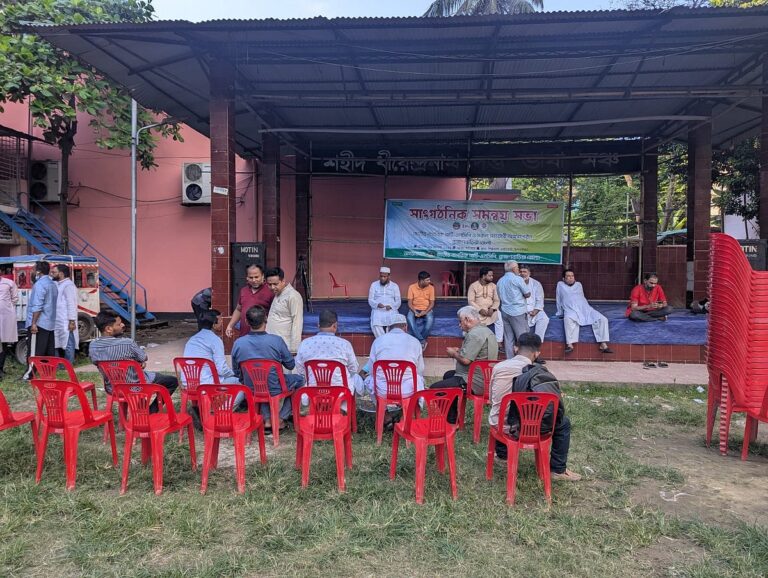
The concerns were voiced on Saturday during a discussion meeting at the National Press Club in Dhaka, organized by the Human Rights Support Society (HRSS) to mark the upcoming International Day of the Victims of Enforced Disappearances on August 30. The event brought together victims’ families, activists, lawyers, and members of civil society.
Senior Supreme Court lawyer Sara Hossain emphasized the necessity for an independent investigation mechanism within both the National Human Rights Commission and the proposed anti-disappearance legislation. She warned that maintaining the current investigative process would be deceptive, noting that agencies cannot be expected to conduct impartial probes into their own misconduct. Hossain stated that the upcoming parliamentary committee review represents a critical test, as lawmakers will decide whether to incorporate expert recommendations into the final legislation. She also underscored the role of the judiciary, noting that past failures of the court system to provide relief to victims have left a legacy of impunity that the government must now address.
Nur Khan Liton, a former member of the Commission of Inquiry on Enforced Disappearances, argued that the proposed legislation would be counterproductive if the National Human Rights Commission remains dependent on law enforcement for data and investigative support. He suggested that it would be better to have no law at all than one that grants the commission hollow authority without the power to conduct independent inquiries.
Mir Ahmad Bin Quasem, a Member of Parliament for Dhaka-14 and a victim of enforced disappearance during the previous administration, characterized the current parliament as a body of the oppressed. He cautioned that the proposed legislation, if passed in its current form, risks facilitating future disappearances rather than preventing them.
Renowned photographer Shahidul Alam criticized the trend of shaping legislation to appease security forces. He reminded the government that elected representatives are tasked with overseeing, not yielding to, law enforcement agencies. He asserted that the government’s mandate is to serve the interests of the public, not to accommodate the desires of security apparatuses.
Nabila Idris, another former member of the commission, countered government assurances that current authorities would not engage in disappearances. She argued that maintaining legal loopholes provides an opening for future abuses, regardless of current policy intentions.
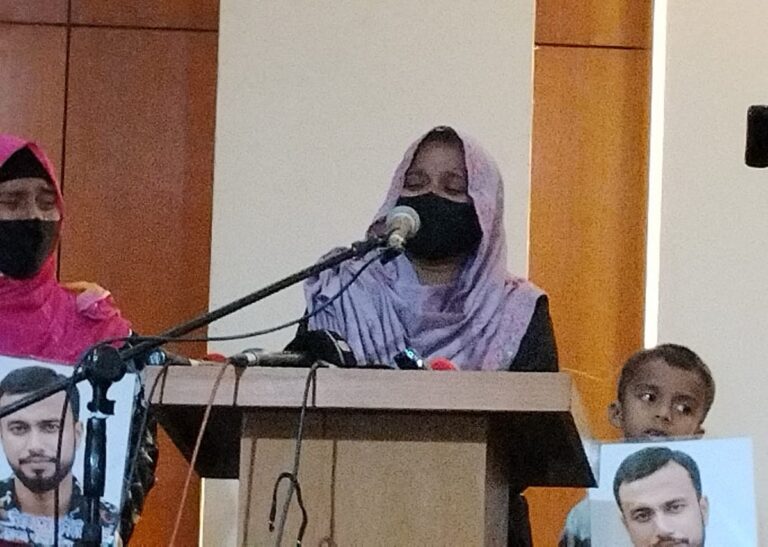
During the event, families of those recently abducted, including the relatives of Miraj Sheikh—who was allegedly taken by individuals identifying as Coast Guard personnel in Mongla—demanded information and justice.
HRSS Executive Director Ejazul Islam outlined several key demands on behalf of the organization, including the immediate search for victims disappeared during the tenure of the previous administration, the establishment of independent investigation mechanisms, the implementation of recommendations from previous commissions, and the strengthening of the National Human Rights Commission’s independence. The meeting also featured contributions from International Crimes Tribunal Prosecutor Shaikh Mahdee and representatives from the Office of the United Nations High Commissioner for Human Rights.
0%
0%
0%
0%