Surge in Family Murders Across Bangladesh Raises Alarm Over Social Instability and Security
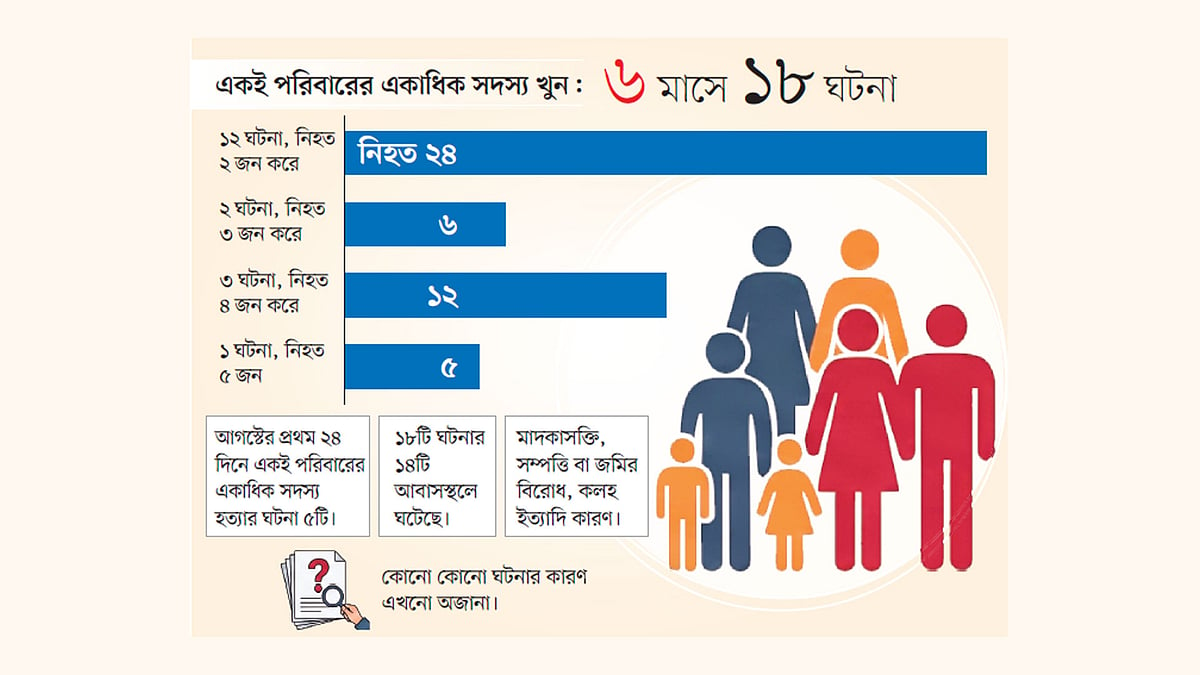
Photo Collected
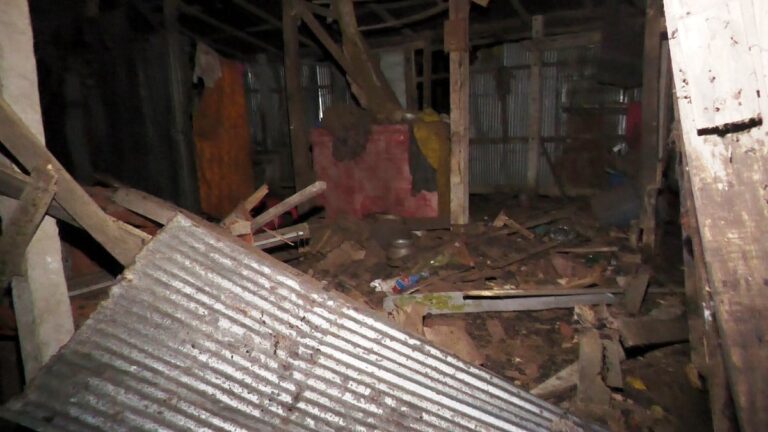
A sharp rise in family-centric mass killings across Bangladesh has sparked widespread alarm, with 18 such incidents recorded over the past six months, resulting in at least 47 deaths. Data compiled from media reports between February 24 and August 24 reveal a disturbing trend of multiple family members being murdered in a single attack, fueling concerns over domestic safety and the breakdown of social order.
The incidents range from the deaths of two to five family members in individual attacks. In June alone, a youth in the Raipur Upazila of Lakshmipur killed a mother, Shahinur Begum, and her three daughters—Saima Akter, Ikra, and Sipa—by hacking them with a sharp weapon. The assailant, identified as Antor Majumder, was subsequently killed by an angry mob. Local reports suggest the motive may have been linked to drug addiction, a recurring theme in several recent high-profile cases.
Similarly, in Rangpur’s Mashuapara, four members of the Chakraborty family—retired teacher Ganapati Chakraborty, his wife Pritilata Chakraborty, and their children, Agami and Ayush—were found dead in their home on August 24. Police arrested two local youths, Mugdho Das and Siddhartha Das, alleging the motive was a dispute over the victims’ rooftop being used for narcotics consumption.
Analysts point to a convergence of systemic failures, including the easy availability of drugs, deep-seated land disputes, and a culture of impunity. Towhidul Haque, an associate professor of social welfare at the University of Dhaka, noted that while motives vary—ranging from financial disputes and domestic conflict to revenge—the underlying issue remains a lack of structural security. He emphasized that the failure to conduct swift investigations and ensure timely judicial outcomes exacerbates the cycle of violence.
The vulnerability of victims within their own homes remains a focal point of public concern. Out of the 18 analyzed incidents, at least 14 occurred within private residences. In one notable case in Sylhet, businessman Abdus Sattar, his wife Suraiya Begum, and their domestic helper Tahmina were murdered on August 12. While police initially cited a personal conflict involving the accused, Babul Mia, the victims’ family members later alleged in a lawsuit that the murders were driven by a long-standing land dispute.
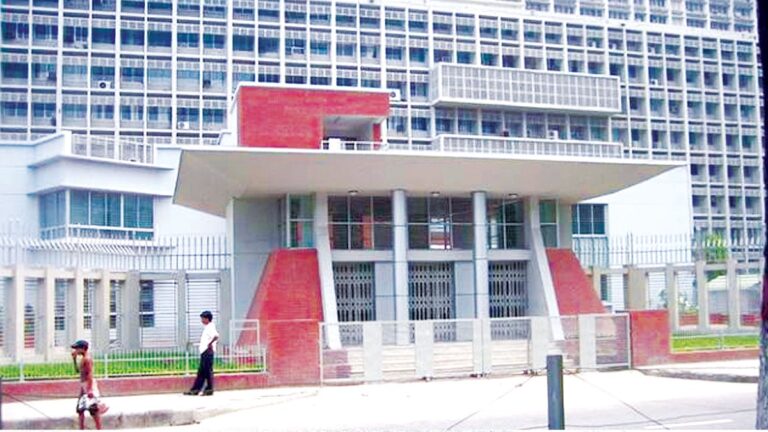
Police Headquarters spokesperson and Assistant Inspector General A.H.M. Shahadat Hossain stated that law enforcement agencies are treating these internal domestic killings with extreme gravity. He acknowledged that many of these crimes stem from private, financial, or family disputes that occur beyond the scope of traditional street-level policing.
Official statistics underscore a broader escalation in lethal violence. Between January and July 2024, 2,076 murder cases were filed across the country, compared to 1,947 during the same period the previous year, marking an increase of 129 cases. Experts warn that when the justice system fails to deliver convictions—citing a previous Police Bureau of Investigation (PBI) study that found a 52 percent acquittal rate in studied murder cases—the public’s resulting loss of faith leads to the dangerous phenomenon of citizens taking the law into their own hands.
0%
0%
0%
0%