
Education Crisis Plagues Saint Martin Island as Thousands of Children Remain Out of School
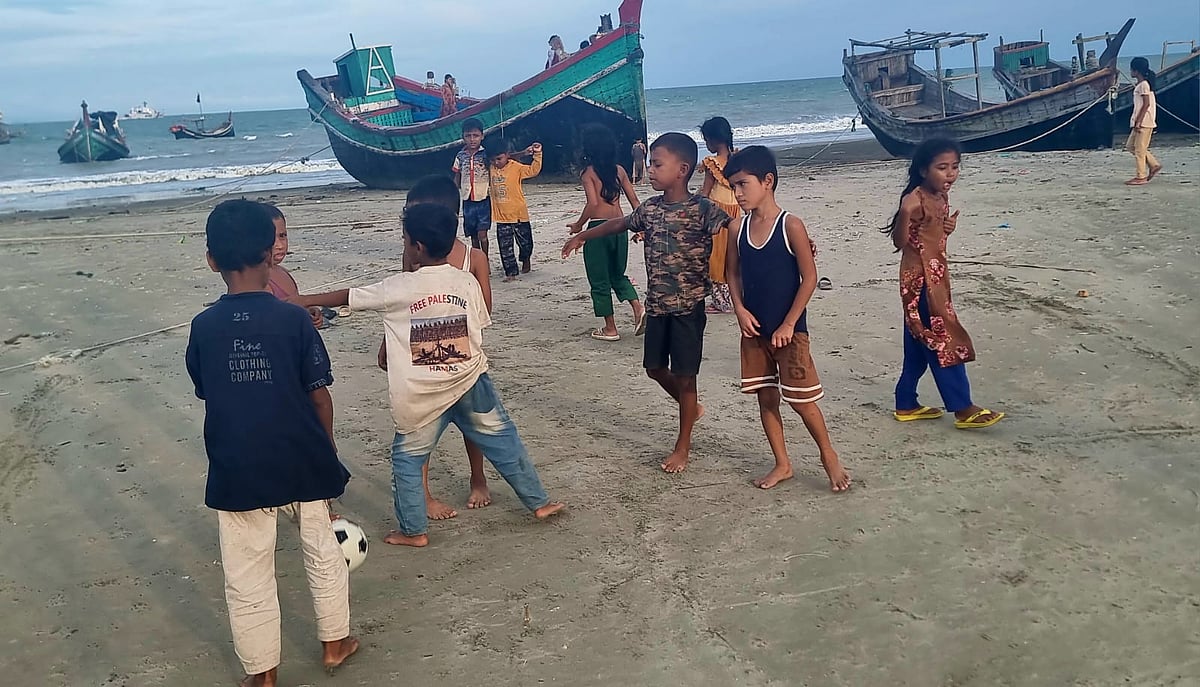
Photo Collected
More than 3,000 children in Saint Martin’s Island are facing an uncertain future as they remain excluded from the formal education system. Out of an estimated 4,000 school-aged children on the coral island, only 729 are currently enrolled in schools.
The education crisis is driven by a severe shortage of teachers, widespread poverty, lack of parental awareness, and a reliance on child labor within the local tourism and fishing industries. Government data indicates a stark disparity compared to the rest of the Cox’s Bazar district; while the district literacy rate stands at 55 percent, literacy on the island is approximately 15.13 percent, with a dropout rate of 30 percent.
The island’s educational infrastructure is failing to meet demand. The sole government facility, Jinjira Government Primary School, established in 1948, currently operates with only two teachers despite having seven sanctioned positions. The post of headmaster and four other roles have remained vacant for 14 years. Acting headmaster Mohammad Taher noted that when he is required to travel to Teknaf for administrative duties, the school is left with only one teacher to manage approximately 200 students.
Private schools on the island are facing similar existential threats due to funding shortages. The CREED Primary School, established in 1998, ceased salary payments to teachers in September 2024. It now relies on meager tuition fees collected from students to pay its sole remaining instructor, Mohammad Erfan, who manages 66 students across two shifts. The South Para Primary School, founded in 1997, is currently without its only teacher, Abdul Malek, who has been absent for three months. Reports indicate that the school is now relying on a fifth-grade student, Shawkat Ara, to teach younger pupils.
Higher education on the island is equally troubled. At the Saint Martin’s BN Islamic School and College, the only secondary-level institution, academic results have remained consistently poor. In the recent SSC examinations, only 13 out of 47 candidates passed. Acting principal Modon Kanti Rudro attributed the performance to low attendance and a general lack of parental engagement, particularly during the three-month tourism peak when students prioritize earning income by acting as guides or selling goods to visitors.
District officials acknowledge that the geographical isolation of the island—which remains cut off from the mainland for much of the year—hampers effective monitoring. Mohammad Shahin Mia, the District Primary Education Officer, stated that the financial lure of tourism, where children can earn 500 taka in a day compared to a monthly 200–250 taka stipend for school attendance, has effectively rendered primary education incentives ineffective.
Teknaf Upazila education authorities stated that they struggle to retain staff due to the remote nature of the island. While officials have promised to recruit new teachers by October, local representatives and residents emphasize that without addressing the fundamental economic reliance on child labor and providing stable funding for school management, the island’s children will continue to drift toward the beaches rather than classrooms.
0%
0%
0%
0%