A Childhood Illuminated by Kerosene Lamps Recalls a Bygone Era in Rural Barisal
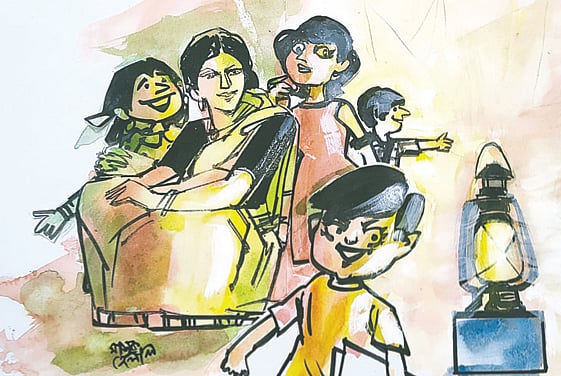
Photo Collected
In the 1960s, the village of Badalpara in the Charamaddi Union of Bakerganj, Barishal, was defined by the deep darkness that descended rapidly once the sun set behind the Rangamati River. Without electricity in the region, life after dusk revolved entirely around the faint, yellow flame of a “Bayezid” brand kerosene lantern.
These lanterns, stamped with “Made in England” on their transparent chimneys and featuring a bat emblem, were a staple in nearly every household. Daily maintenance was a ritual for Shahjalal Firoz, who recalls cleaning soot from the glass with a soft cloth each afternoon. Inside the two-story tin house he shared with his three brothers and four sisters, the lantern provided the only light for evening study.
Under this soft glow, Firoz’s mother taught him to read using Sitanath Basak’s *Adorsholipi*. His early education involved tracing letters carved into boiled and dried palm leaves, using a bamboo-stick pen dipped in homemade coal-based ink. On moonlit winter nights, the natural light from outside would blend with the lantern’s warmth, while his mother shared folklore about ghosts, demons, and the mythical woman spinning thread on the moon. These stories transformed the surrounding palm trees and ponds into mysterious, shadowy landscapes, prompting the siblings to huddle close together, warming their fingers against the heat of the lantern’s glass.
The nearby Rangamati River was equally illuminated during the evenings. Fishermen would hang lanterns from their small boats to cast nets, catching schools of Hilsa that shimmered like silver in the water. From the riverbank, the flickering lights appeared to the young Firoz like floating fireflies. At that time, fish were abundant and inexpensive, sold without the formality of weighing scales.
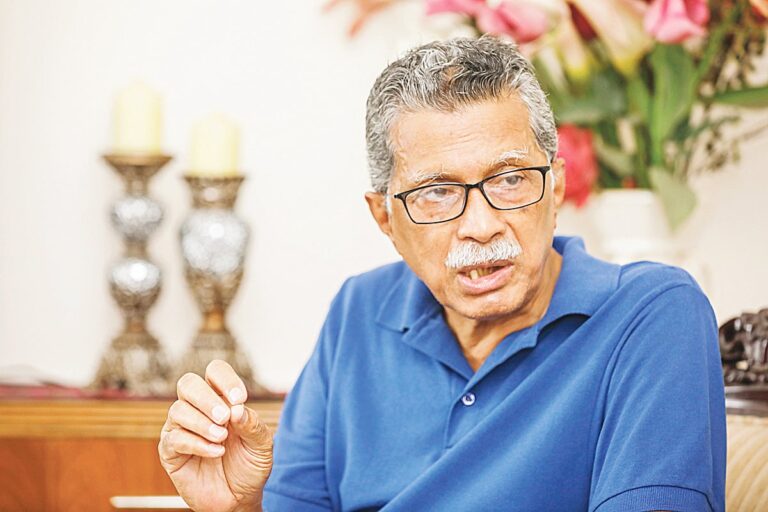
Firoz’s connection to this era shifted after he graduated from Charamaddi W.K. Secondary School in 1967 and moved to Barishal for college, where he encountered electric light for the first time. Following his studies at the University of Dhaka and a career at Bangladesh Bank, his life took him far from his village, eventually leading to his current retirement in Dhaka.
Though his ancestral village has since transformed—paved roads replacing dirt paths and bridges substituting for bamboo crossings—the memories remain vivid. During a rare visit in 2014, Firoz discovered a rusted, broken lantern in a corner of his childhood home. Despite its condition, he could not bring himself to discard it. Today, even as his children live in different parts of the world, Firoz notes that the internal light of that Bayezid lantern has never truly dimmed for him.
0%
0%
0%
0%