
Mob violence deaths surge in Bangladesh as civil unrest rises

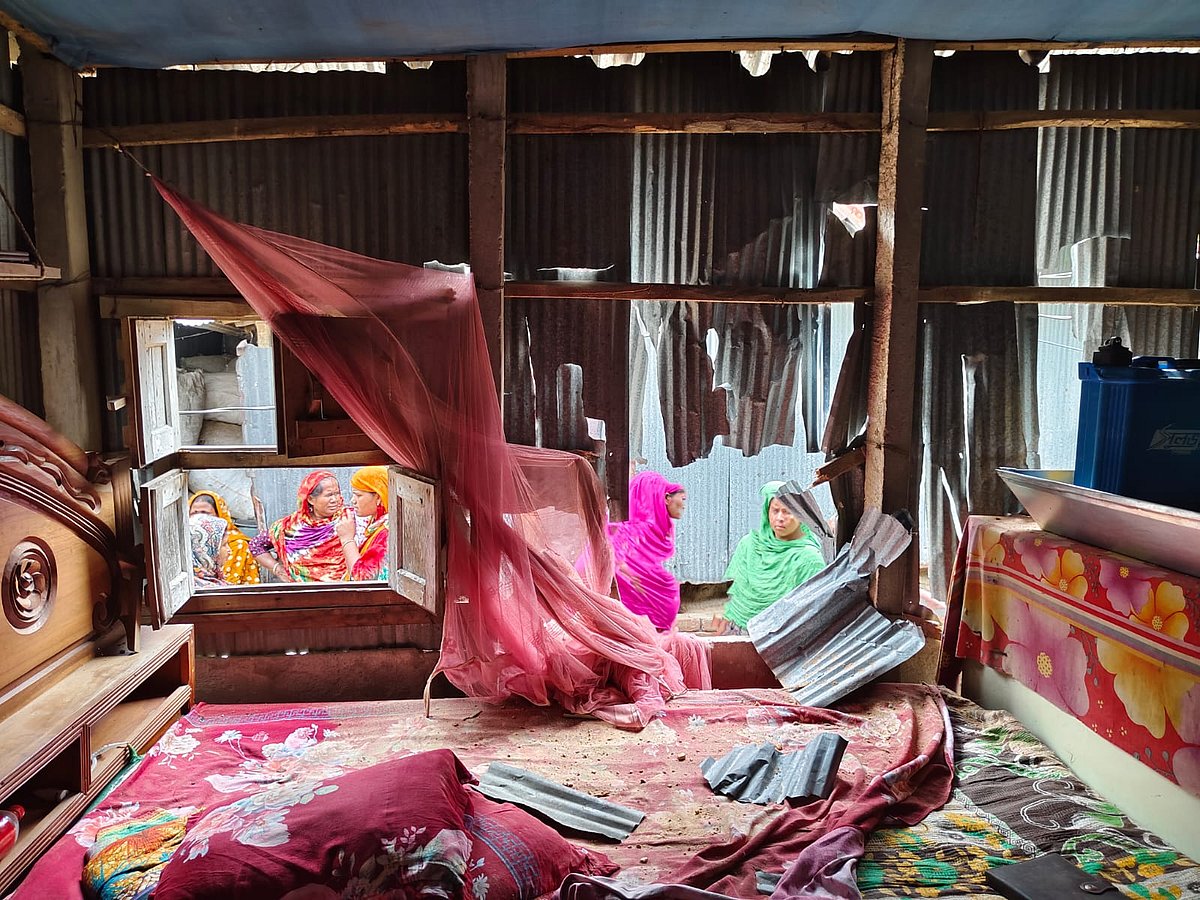
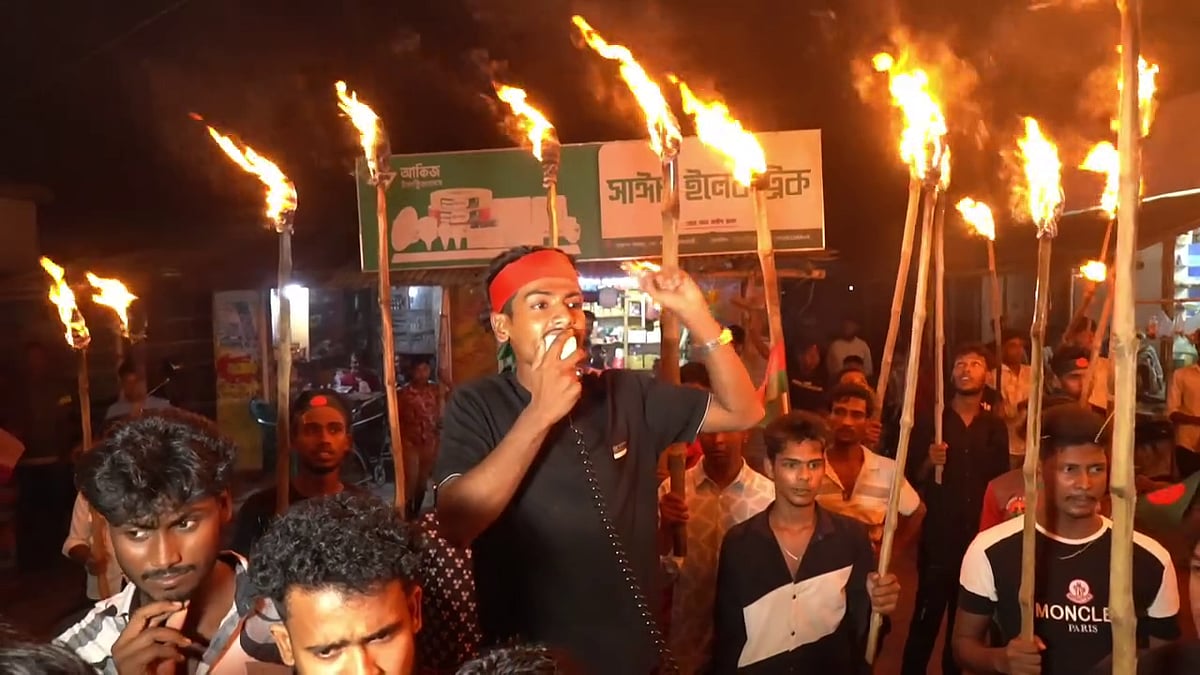
Mob violence in Bangladesh surged in May, claiming 32 lives—a significant increase from the 21 deaths recorded in April. According to a report released Sunday by the Human Rights Culture Foundation (MSF), these violent incidents, which totaled 69 in May, were largely fueled by disputes over land, theft, and allegations of attempted rape. The organization warned that the escalating trend of vigilante justice reflects a growing tendency among the public to take the law into their own hands, signaling a breakdown in social cohesion and the rule of law.
The foundation’s data, compiled from media reports and independent investigations, highlights that both fatalities and injuries from mob violence rose sharply last month, with 71 people sustaining serious injuries in May compared to 49 in April. MSF expressed particular concern that members of law enforcement agencies are increasingly becoming targets of such violence, an indicator of weakening state authority. The report also cited the disruption of a film screening at the Bonalata Express in Brahmanbaria as a clear example of mob-driven interference.
Beyond mob violence, the recovery of unidentified bodies remains a critical concern. Authorities recovered 53 such bodies in May from various locations, including rivers, roadways, and agricultural fields. While this represents a marginal decrease from the 56 bodies found in April, MSF stated that the consistently high figures suggest potential instances of extrajudicial killings or disappearances that remain uninvestigated, underscoring a persistent lack of accountability.
The report also tracked political volatility, noting a decline in political violence compared to the previous month. While 303 people were injured in political clashes during April, the figure fell to 193 in May, with three recorded deaths. Despite this numerical dip, MSF cautioned that the security environment remains precarious due to frequent infighting within major political factions, including the Awami League, the BNP, and Jamaat-e-Islami.
Cross-border tensions also intensified, as fatalities along the borders with India and Myanmar rose to 10 in May from eight the previous month. Reports of torture also saw a notable spike, climbing from two incidents in April to 13 in May, alongside the forced "push-in" of 10 individuals at the Indian border. MSF characterized these developments as a failure in border management and human rights protection, urging for more robust bilateral oversight.
Regarding the country's prison system, the foundation reported seven deaths in custody during May, consisting of three convicted prisoners and four detainees awaiting trial, up from six deaths in April. While incidents of direct torture reportedly saw a slight decline, MSF highlighted that prison-related deaths remain a major concern that reflects systemic human rights failures.
Finally, the report noted a shift in the nature of threats facing the media. While physical assaults on journalists dropped from 46 in April to 34 in May, the foundation observed a rise in legal and institutional harassment. This trend, according to MSF, poses a long-term threat to freedom of expression. Concluding its assessment, the foundation warned that despite minor statistical fluctuations, Bangladesh’s human rights situation remains structurally fragile due to a lack of accountability and the continued erosion of the rule of law.