


Dhaka Authorities Launch Multi-Day Cleanup Drive to Restore Gulshan Lake
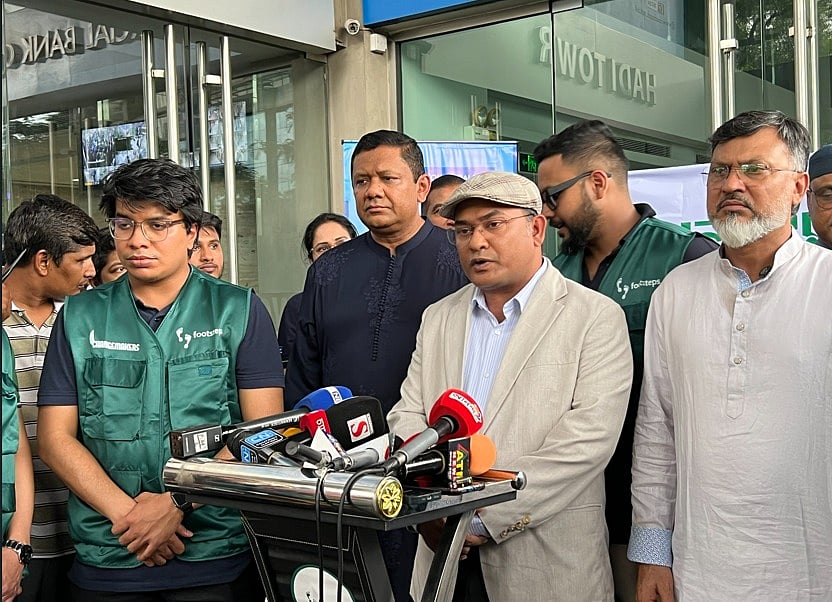
Photo Collected
A massive environmental restoration initiative has been launched to rehabilitate the Gulshan Lake in the Bangladeshi capital, as part of a collective effort to restore the city’s deteriorating water bodies. Running under the banner “Cholo Khal Bachai” (Let’s Save the Canal), the operation commenced on Friday and is scheduled to continue through Sunday, with a permanent monitoring framework expected to follow to ensure the lake remains free of pollution.
The cleanup is a collaborative effort involving the Dhaka North City Corporation (DNCC), the Gulshan Society, Commercial Bank of Ceylon PLC, and the nonprofit organization Footsteps Bangladesh. Beyond the immediate task of removing refuse from the water and surrounding banks, the organizers aim to foster long-term civic responsibility by actively engaging residents in the preservation of their local environment.
বিজ্ঞাপন
On Friday, over 500 volunteers worked alongside professional sanitation crews to clear floating debris and sweep the pathways near the Gulshan-2 lake bridge. Volunteers, including participants who traveled from other parts of the city such as Mohammadpur, collected waste, sorted it for disposal, and cleared the banks as part of a broader mission to demonstrate that small-scale, community-led actions can catalyze a cleaner, more sustainable Dhaka.
During the event, Ahmad Jafrul Hasan, Chief Digital Officer of Commercial Bank of Ceylon, noted that the bank’s involvement stems from its corporate social responsibility commitments to combat climate change. Nazith Meewanage, the bank’s Chief Executive Officer, echoed this sentiment, emphasizing that building a sustainable future requires a unified approach from both the private sector and the public.
বিজ্ঞাপন
At a press conference following the day’s work, Md. Saimum Parvez, a special assistant to the Prime Minister on environment, forest, and climate change, stressed that environmental conservation cannot be left solely to the government. He highlighted the volunteer participation as a positive model for waste management and urban recovery.
DNCC Administrator Md. Shafiqul Islam Khan reinforced the message of shared responsibility, noting that environmental stewardship transcends political affiliation. He also addressed ongoing public health concerns, stating that mosquito control programs are continuing despite technical challenges with some equipment, and that the administration is prioritizing response efforts based on the severity of local conditions.
However, the initiative also served as a critique of past urban planning. Gulshan Society President Omar Sadat expressed frustration over the rapid, unplanned development of the last two decades, which he described as “hellish” urban growth. He pointed to the critical issue of illicit sewage lines discharging directly into the lake, calling for a synchronized, comprehensive effort to transform Gulshan into a model for sustainable urban living.
0%
0%
0%
0%


