


Bangladeshi artists recount risks and defiance during July uprising
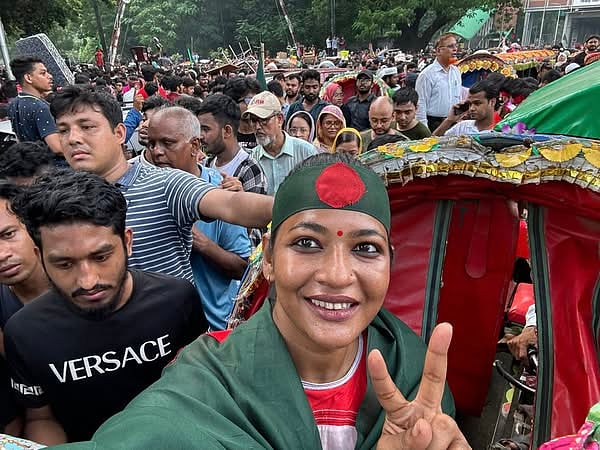
Photo Collected
The July 2024 uprising in Bangladesh was a watershed moment fueled by widespread indignation against a regime that had become increasingly disconnected from its citizens. For many, the turning point was the death of student protester Abu Sayed, whose killing became a visceral symbol of the state’s cruelty. As the government responded with lethal force and systematic disinformation, a broad cross-section of society, including artists, filmmakers, and cultural figures, felt compelled to abandon their silence and align with the student-led movement.
The mobilization of the artistic community began in relative secrecy, organized through small, urgent meetings under the looming threat of state surveillance and intimidation. Despite receiving warnings from government officials and facing direct threats of prosecution under anti-terrorism laws, a group of prominent filmmakers and artists decided to openly stand with the students. On August 1, these activists defied curfews and security checkpoints, gathering in the rain near the Anand Cinema Hall in Farmgate. The unexpectedly massive turnout—comprising industry professionals and disillusioned youth—transformed the demonstration into a powerful assertion of democratic defiance.
বিজ্ঞাপন
As the movement gained momentum, the atmosphere in the streets grew charged with a sense of collective purpose. Participants, many of whom had never before engaged in political activism, moved from protests at the national parliament to mass gatherings at Shaheed Minar. For many of these artists, the experience was profound, underscored by personal encounters with citizens who drew courage from their public presence. This sense of unity culminated in the “March to Ganabhaban” on August 5, which ultimately led to the collapse of the Awami League government.
However, the transition period that followed has been marked by deep disappointment for many who initially championed the revolution. While the interim government successfully facilitated a path to an election, observers point to a troubling rise in mob violence, the harassment of women, and the unchecked influence of right-wing factions as evidence of a lost opportunity. The failure of the administration to curb the destruction of historical landmarks, such as the desecration of the Dhanmondi 32 residence and the demolition of statues of national figures, has left many former activists feeling alienated and distressed.
বিজ্ঞাপন
Looking back, the uprising is viewed not as an isolated incident, but as an inevitable reaction to years of systemic authoritarianism and the complete erosion of state accountability. While there is lasting regret regarding the volatility and instability that persisted under the interim leadership, the movement itself remains defined by the undeniable, raw necessity of the people to reclaim their voice. For those who stood on the front lines, the July revolution stands as an essential, if painful, chapter in the nation’s history—an unavoidable eruption against a regime that left its citizens with no other recourse.
0%
0%
0%
0%


