Bangladesh President Mohammed Shahabuddin resigns citing health concerns

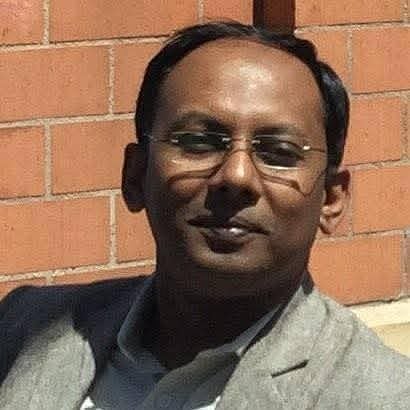
Mohammed Shahabuddin has resigned from his position as the President of Bangladesh, ending a tenure that faced mounting public pressure following the political upheaval that saw the fall of the Awami League government earlier this year. Speaker Hafiz Uddin Ahmed confirmed the receipt of the resignation letter on Friday afternoon.
In his formal letter of resignation, Shahabuddin detailed the challenges he navigated during the constitutional crises triggered by the mass uprising on August 5. He stated that he sought the opinion of the Appellate Division of the Supreme Court under Article 106 of the Constitution to address the vacuum of power, eventually leading to the formation of an interim government and the subsequent organization of general elections.
Addressing his decision to step down, the 22nd president cited deteriorating health as the primary factor. Shahabuddin noted that he has been grappling with complex medical issues, including heart disease, hypertension, diabetes, and kidney complications, compounded by a previous heart bypass surgery. He further disclosed that a recent diagnosis of autonomic neuropathy, which causes frequent loss of consciousness, has rendered him physically and mentally incapable of discharging the demanding responsibilities of the presidency.
The resignation marks the conclusion of a period of significant political volatility. Since taking office on April 24, 2023, Shahabuddin had remained in his post through the transition following the July student-led movement, despite persistent calls from protest organizers for his removal. Citing the need for long-term medical treatment, he formally invoked Article 50(3) of the Constitution to resign, effectively ending his term.