
Two Years After July Uprising Thirteen Year Old Student Rakib Hasan Remains Symbol of Lost Innocence

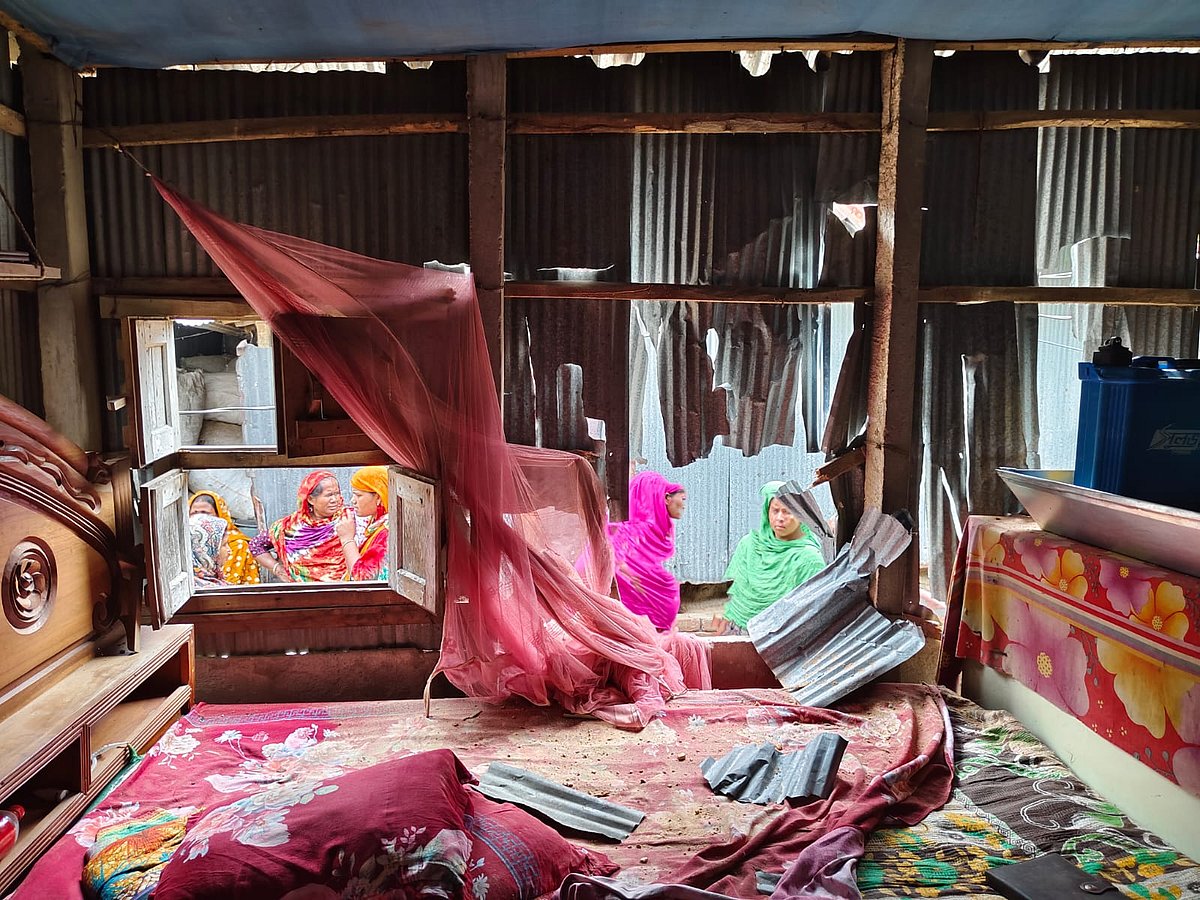
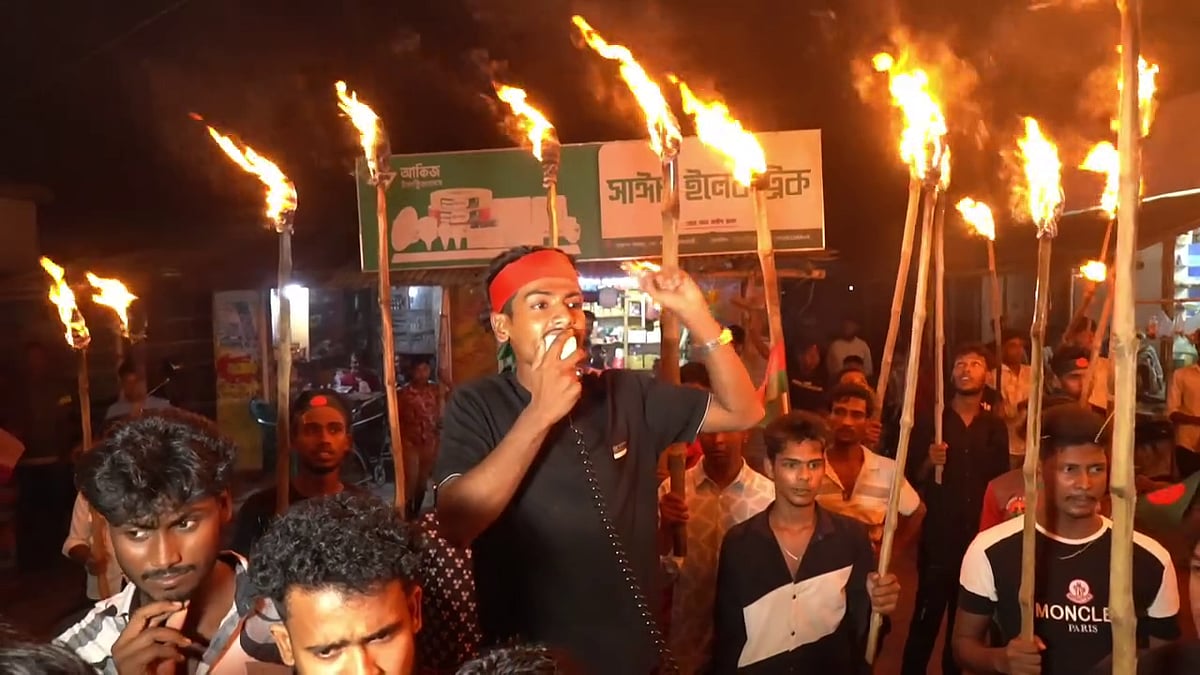
Two years after the violent unrest that swept through Dhaka in July 2024, the family of 13-year-old Rakib Hasan remains trapped in a cycle of grief, awaiting justice for the seventh-grader who was shot dead during the student-led uprising. Rakib, the youngest of 16 victims from the Lakshmipur district to perish in the demonstrations, was struck by a bullet near the Mohammadpur bus stand, an area that had become a flashpoint for clashes between protesters and security forces.
On July 19, 2024, despite his father Abul Khayer’s strict warnings to stay indoors as tensions escalated, the young student ventured out. He had only recently persuaded his father to buy him a football, a modest request that now serves as a haunting reminder of the life cut short. Khayer, who worked as a lineman for the Dhaka North City Corporation, spent that evening frantically searching hospitals, only to find his son’s lifeless body in the morgue of the National Institute of Neurosciences and Hospital.
The loss has left a void that remains unbridgeable. Khayer, who had brought his youngest son from their village to the capital to ensure a better education, struggles with the survivor’s guilt of having been unable to protect the child he once cooked for and coddled. Rakib was one of three children; his death has left his mother, Parvin Akter, and his siblings devastated.
A formal investigation into the killing has concluded, with police filing a charge sheet this month naming 89 individuals—including former Prime Minister Sheikh Hasina—as defendants. Despite the legal progress, Khayer remains deeply disillusioned by the slow pace of justice. For a family that had no political enemies and sought only a stable future, the formal identification of his son as one of the 16 martyrs from Lakshmipur in the official government gazette offers little solace for the loss of a child who had yet to reach adulthood.
The victims of the July-August movement in Lakshmipur represent a cross-section of the region’s working class, including students, laborers, and small business owners. As local authorities acknowledge the irreparable nature of these losses, families like Rakib’s continue to mourn in rural cemeteries, where the grass has long since overgrown the resting places of the youngest lives lost to the political upheaval.