
Human Rights Report Details Surge in Mob Violence and Child Abuse Across Bangladesh in May
Bangladesh experienced a surge in human rights violations and public violence throughout May, characterized by a sharp rise in mob-related fatalities, political clashes, and violence against women and children. According to a report released Friday by the Human Rights Support Society (HRSS), the month saw 66 incidents of mob violence that resulted in 31 deaths and 68 injuries, highlighting a growing trend of extrajudicial "vigilante justice" across the country.
The report, compiled from media accounts and independent investigations, detailed harrowing instances of mob brutality, including the killing of a youth in Faridpur sparked by rumors, the fatal beating of three individuals accused of theft in Gazipur, and the death of a young man in Chuadanga who was subjected to torture involving boiling water. Beyond mob violence, the HRSS cataloged 28 cases of unidentified bodies being recovered throughout the month and labeled the deaths of two individuals—a fisherman killed by forest department gunfire and a man who drowned while fleeing an anti-drug operation—as incidents of extrajudicial killing.
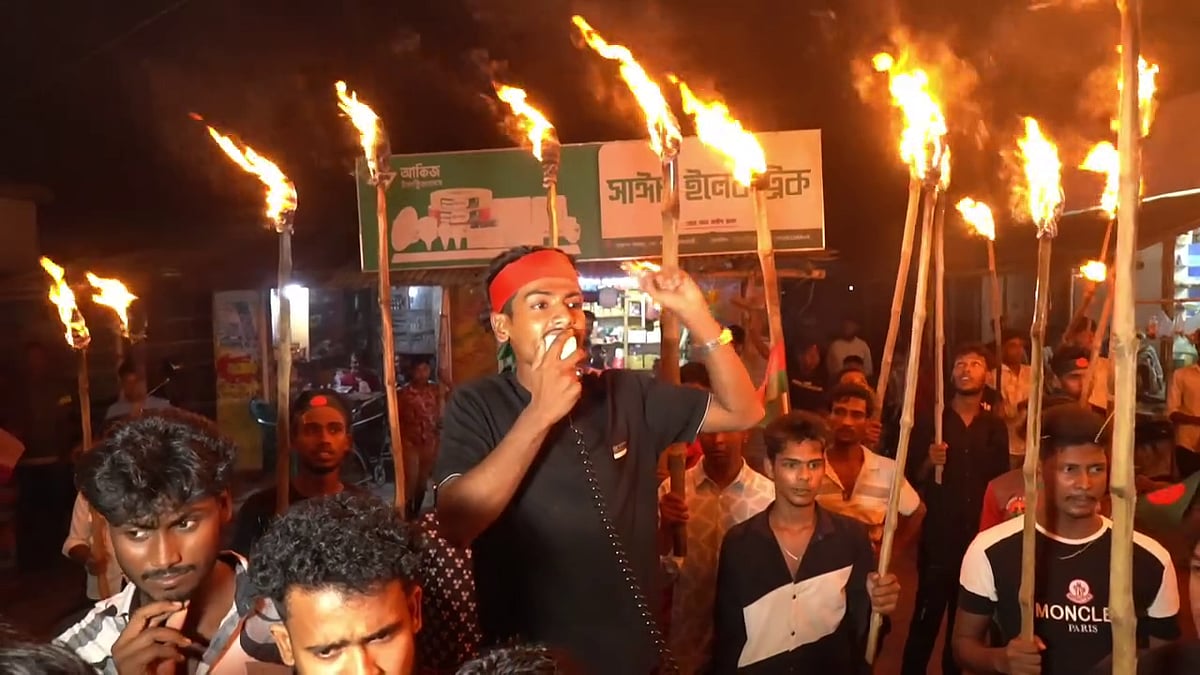
Political instability also remained a significant concern, with at least 64 incidents of political violence recorded in May. While the frequency of these clashes decreased compared to April, the lethality remained high, leaving five people dead—including members of the BNP, Jamaat-e-Islami, the United People’s Democratic Front (UPDF), and one civilian woman—and nearly 290 others injured. The HRSS attributed this violence primarily to territorial dominance and internal factional conflicts within political parties.
The situation for women and children grew increasingly precarious, with the report documenting 83 cases of rape, nearly 70 percent of which involved minors. Six victims were killed after being raped, four of whom were children. Additionally, 76 women and girls reported instances of sexual harassment, more than half of whom were children.
Public health concerns also featured prominently in the findings, with the HRSS reporting the deaths of over 600 children across the country over the last three months due to measles complications and inadequate medical infrastructure. The report also noted a cluster of infant deaths at Ad-Din Medical College Hospital in Dhaka on May 27, where six newborns died within a single day.
Tensions at the borders further contributed to the month’s high casualty toll. Four Bangladeshis were killed and 20 injured in incidents involving India’s Border Security Force (BSF), while landmine explosions along the Myanmar border claimed the lives of three civilians.
Journalistic freedom also faced mounting pressure during the period, with the HRSS documenting 39 separate incidents in which 78 journalists were subjected to violence, harassment, or threats. The organization reported that 42 journalists were injured and several others faced legal challenges under the Cyber Security Act.
Citing the high number of arrests—totaling 1,935 individuals, many linked to the Awami League and its affiliated organizations—the HRSS emphasized the urgent need for independent investigations into all reported human rights violations. The organization concluded its report by urging the authorities to establish a more accountable governance system, noting that such reforms are essential for maintaining democratic progress and protecting human rights.